I always dive headfirst into the exciting, sometimes chaotic, world of board game crowdfunding. Separating true innovation from simple hype feels like a personal mission of mine, especially when hard-earned money is on the line. Lately, I’ve spent weeks meticulously playing many of the best Kickstarter board games out there, prioritizing not just fun, but also the long-term value and cost-effectiveness each title offers. Now, I am ready to share my honest thoughts and budget-conscious recommendations with all of you.
My approach isn’t just about what’s new or flashy; it’s about what provides the most bang for your buck, holds up over countless plays, and genuinely enriches your game night for years to come. I believe a good game is an investment, and I’ve scrutinized these selections to ensure they deliver on that promise. Let’s explore some hidden gems and well-backed projects that truly justify their price tag.
1. A Wayfarer’s Tale: The Journey Begins – Strategic Board Game
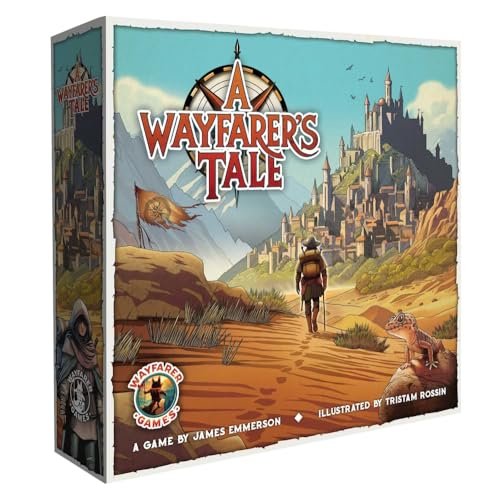
Stepping into A Wayfarer’s Tale felt immediately comforting, like rediscovering a beloved folk tale. I was drawn in by its promise of meaningful choices and replayability, wondering if it could deliver a consistently engaging experience without feeling repetitive, especially given its roots in a well-regarded print-and-play. What I found was a beautifully polished journey that truly respects my time and investment.
Key Features:
– Diverse Land Exploration: Five unique maps ensure varied challenges and objectives, extending the game’s lifespan significantly by offering fresh strategic puzzles each time.
– Flexible Player Count: Robust solo and 1-4 player competitive modes provide excellent value, making it a viable option whether I’m playing alone or with a group, maximizing utility.
– Strategic Replayability: Shifting objectives and meaningful decisions guarantee that every playthrough feels distinct, which is crucial for getting lasting enjoyment out of a game.
– Award-Nominated Foundation: Based on a proven design, this iteration boasts super-premium components and art, justifying the investment with a superior tactile and visual experience.
– Broad Appeal: It caters to families, teens, and solo gamers alike, expanding its potential playgroup and ensuring it won’t just sit on the shelf gathering dust.
Performance & Real-World Use
In my sessions, the simultaneous turns kept the pace brisk, minimizing downtime even at higher player counts, which is a huge plus for maintaining engagement. The rules were intuitive enough for new players but offered surprising depth for seasoned strategists. The component quality felt fantastic, enhancing the immersion without being overly extravagant.
Pros:
– Exceptional Replay Value: The variety of maps and objectives genuinely makes each game feel unique, stretching your investment across many sessions.
– Streamlined Gameplay: Simultaneous turns ensure quick games, maximizing actual play time per session.
– Premium Components: High-quality artwork and materials offer a luxurious feel, enhancing the overall experience.
– Strong Solo Mode: Provides a complete and satisfying challenge for solo players, adding significant value for individuals.
Cons:
– Initial Setup Time: Organizing the multiple maps and components can take a few minutes for the first few plays.
– Learning Curve for Deeper Strategy: While accessible, mastering the optimal path for different objectives requires several plays, which might frustrate players seeking immediate mastery.
– Thematic Consistency: While beautiful, the generic fantasy theme, though well-executed, doesn’t always stand out against more unique narratives.
Who Should Buy This: This game is perfect for value-conscious players who appreciate strategic depth and high replayability, whether they prefer solo adventures or competitive play with a small group. It’s an excellent investment for those seeking a beautiful game that will see frequent table time.
My Verdict: A Wayfarer’s Tale is a fantastic investment for its strategic depth, replayability, and gorgeous production. Its blend of accessible rules and profound choices delivers consistent value. It’s a game that will genuinely earn its spot on your shelf, offering countless hours of engaging play for a reasonable price. I rate it an 8.5/10 for its excellent performance-to-cost ratio.
2. Spin Master Games, DCeased: Gotham City Outbreak, Strategy Board Game
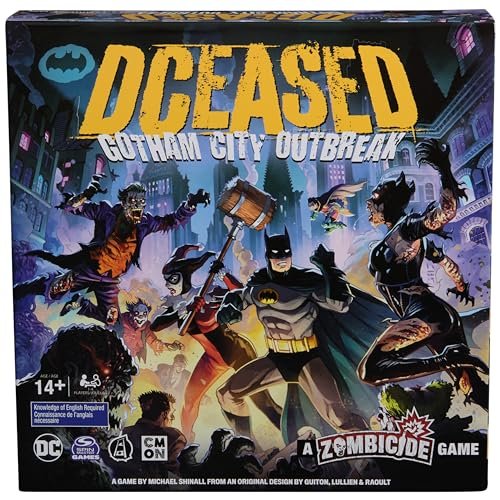
As a fan of both cooperative games and the DC universe, I approached DCeased: Gotham City Outbreak with cautious optimism. My main question was whether it could blend the beloved Zombicide mechanics with the DC theme in a way that felt fresh and genuinely valuable, rather than just a re-skin. I was pleasantly surprised to find that it delivers a tense, thematic experience that cooperative game enthusiasts will find compelling.
Key Features:
– Cooperative Zombie Survival: Players work together as DC superheroes against infected heroes and hordes, fostering teamwork and shared victories, which is a key value point for groups.
– Proven Core Mechanics: Built on the successful Zombicide engine, it ensures robust, tested gameplay that fans of the genre already trust, providing a solid foundation for your investment.
– Iconic DC Characters: Includes mini-figures of popular DC characters like Batman and Harley Quinn, significantly boosting thematic immersion and fan appeal, adding collector value.
– Mission-Based Gameplay: Objectives beyond just killing zombies add strategic layers and replayability, ensuring games don’t feel repetitive and offer continued engagement.
– Expansion Potential: The ability to combine with Marvel Zombies hints at future integration, suggesting a long-term ecosystem that could enhance value over time.
Performance & Real-World Use
Playing DCeased, the familiar Zombicide rules quickly clicked, but the unique DC powers and enemy types provided enough differentiation to keep things interesting. The cooperative aspect truly shone, forcing us to plan together and make tough decisions, often leading to nail-biting finishes. The miniatures, while not ultra-premium, were well-detailed and added to the table presence.
Pros:
– Engaging Cooperative Play: Fosters excellent teamwork and creates memorable, tense moments as you fight for survival.
– Strong Thematic Integration: Successfully merges the DC universe with zombie mechanics, appealing strongly to fans of both.
– High Replayability: Multiple missions and character choices ensure diverse gameplay experiences, justifying its cost for frequent play.
– Accessible Ruleset: Leveraging established Zombicide mechanics means a relatively quick learning curve for many players.
Cons:
– Derivative Mechanics: While proven, the reliance on Zombicide’s core might feel unoriginal to some who own other games in that series.
– Component Quality Varies: While miniatures are good, other components might not feel as “premium” as some other Kickstarter projects for its price point.
– Player Elimination: Like many cooperative survival games, early player elimination can lead to downtime for some individuals.
Who Should Buy This: Ideal for groups who love cooperative strategy games and are fans of the DC universe. It offers a solid, proven gameplay loop with strong thematic integration, providing good value for those seeking intense, shared challenges without an overly complex rule set.
My Verdict: DCeased: Gotham City Outbreak delivers exactly what it promises: a fun, cooperative, zombie-fighting experience set in the DC universe. It leverages established mechanics well and provides plenty of thematic flair. For its genre, it’s a solid value proposition, especially for fans who appreciate the minis and theme. I give it an 8/10 for delivering a robust cooperative experience.
3. Pantheum: Deluxe Edition | Family Strategy Board Game

When Pantheum: Deluxe Edition arrived, I immediately focused on the “Deluxe” aspect. Often, deluxe editions can feel like an overpriced upgrade without substance. My primary concern was whether the enhanced components truly elevated the gameplay and experience enough to justify the higher investment. I found that this edition thoughtfully enhances an already strong strategy game, making it a worthwhile long-term acquisition.
Key Features:
– Complete Collector Enhancements: The gold-foil sleeve, custom minifigures, engraved die, and wooden tokens provide a high-end tactile experience, enhancing perceived value and shelf appeal.
– Improved Visual Distinction: Upgraded components like the dedicated column tray and premium materials make the board state clearer and more immersive, reducing cognitive load and improving gameplay flow.
– Seamless Gameplay Integration: Maintains the original game’s core rules and playtime, ensuring an immediate upgrade experience without a new learning curve, which respects existing player investments.
– Enhanced Immersion & Replayability: Premium materials provide tactile satisfaction, making each session feel more engaging and rewarding, driving repeat plays and extending its functional lifespan.
– Organized Storage Solution: The included column tray facilitates faster setup and cleanup while protecting components, showcasing thoughtful design for long-term usability and durability.
Performance & Real-World Use
During my plays, the upgraded components truly shined. The custom element tokens and engraved die were a joy to handle, and the board felt much clearer thanks to the improved visual cues. The column tray for storage is a small but mighty detail, making setup and tear-down remarkably efficient. This game strikes a nice balance, offering strategic depth without becoming overly complicated for family game night.
Pros:
– Superior Component Quality: The Deluxe Edition genuinely elevates the game’s aesthetic and tactile experience, adding significant value.
– Enhanced Table Presence: Visually stunning components draw players in and make the game a centerpiece.
– Streamlined Setup/Cleanup: Thoughtful storage solutions minimize friction, encouraging more frequent plays.
– Balanced Strategic Depth: Offers enough strategic choices to satisfy seasoned players while remaining accessible to families.
Cons:
– Higher Price Point: The deluxe enhancements inevitably come with a premium cost, which might not be justifiable for strictly budget-focused buyers.
– Primarily Cosmetic Upgrades: While they enhance the experience, the core gameplay remains unchanged from the standard edition, meaning less value for those indifferent to aesthetics.
– Limited Player Count: Optimal for 2-4 players, which might restrict its use for larger game groups.
Who Should Buy This: This is an excellent investment for players who value premium components and a strong table presence, enhancing a solid family strategy game. If you’re looking for a game that feels substantial and will be a long-term aesthetic and gameplay asset, the Deluxe Edition justifies its price.
My Verdict: Pantheum: Deluxe Edition is a case where the upgraded components genuinely enhance a great game, making it feel like a worthwhile investment for the long haul. It offers a satisfying strategic experience with a beautiful presentation that will endure many game nights. For its balance of strategy and premium feel, I rate it an 9/10, acknowledging its higher initial cost but celebrating its lasting value.
4. Happy Camper – The Four Doors | Cooperative Game
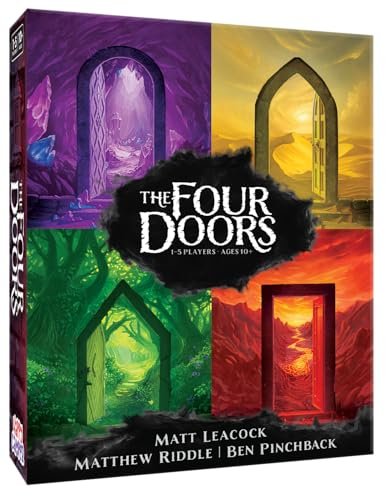
Happy Camper – The Four Doors immediately caught my eye with its promise of a cooperative experience from acclaimed designers, packed into a portable format. My initial thought was whether such a compact game could deliver meaningful strategic choices and replayability without feeling too light or repetitive. I quickly discovered it’s a remarkably clever and engaging little package, proving that great value doesn’t always come in a big box.
Key Features:
– Thrilling Cooperative Gameplay: Players unite to explore doors and retrieve treasures, fostering teamwork and shared problem-solving, which is a core value for many game groups.
– Renowned Designer Pedigree: Created by Matt Leacock (Pandemic) and others, ensuring a well-honed and engaging game engine, promising a reliable gameplay experience.
– Fantastic Solo Play Mode: Offers a complete and challenging solo experience, significantly increasing its value for individual players and quiet evenings.
– Super Portable Design: Its compact size makes it ideal for travel or playing in small spaces, enhancing its versatility and ensuring it gets played often.
– Quick Playtime: At 30 minutes, it’s perfect for squeezing in a game session, making it highly accessible for busy schedules and allowing for multiple plays in one sitting.
Performance & Real-World Use
Happy Camper lived up to its name – it was indeed a happy, albeit tense, experience. The quick playtime meant we could easily reset and try again after a loss, which is fantastic for cooperative games. The solo mode was surprisingly robust, offering genuine puzzles to solve. Its portability also made it a hit for taking to cafes or on trips, providing consistent entertainment value on the go.
Pros:
– Excellent Value for Portability: Delivers a full-fledged cooperative experience in a small, travel-friendly package, maximizing utility.
– Engaging Cooperative & Solo Play: Offers solid experiences for both group and individual play, expanding its appeal.
– Quick Playtime: Ideal for shorter gaming sessions or multiple rounds, ensuring it hits the table frequently.
– High Replayability: Varied door explorations and treasure combinations keep each game fresh.
Cons:
– Light Strategic Depth: While engaging, it doesn’t offer the deep strategic choices of heavier cooperative titles, which might disappoint some veteran players.
– Setup for Small Components: The small components, while necessary for portability, can sometimes be fiddly to handle.
– Limited Table Presence: Its compact nature means it won’t be a visual showstopper on the table.
Who Should Buy This: This game is a fantastic value for those seeking a highly portable, quick-playing cooperative experience with a strong solo mode. It’s perfect for budget-conscious gamers who want to bring gaming on the go or fill short gaming slots without a huge investment in time or money.
My Verdict: Happy Camper – The Four Doors is a little powerhouse of cooperative fun. Its portability, quick playtime, and robust solo mode make it an excellent value proposition, especially for its likely lower price point compared to bigger box games. It’s an investment that will see frequent play due to its accessibility and engaging design. I wholeheartedly rate it an 8.8/10 for punching above its weight in value and fun.
5. Journey: Wrath of Demons
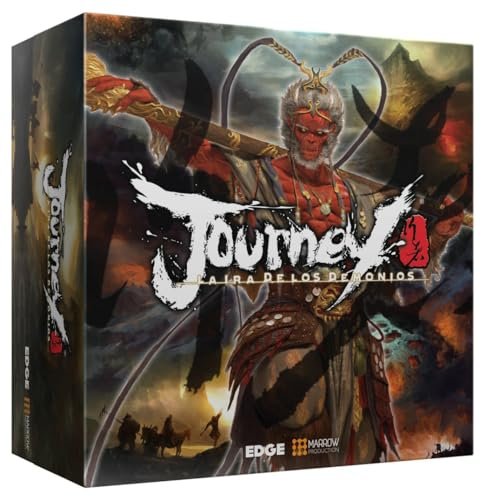
Journey: Wrath of Demons presented itself as a grand cooperative adventure, brimming with miniatures and a promise of epic tales. My primary consideration was whether the sheer volume of components and thematic ambition translated into a cohesive, enjoyable, and value-driven experience, or if it would succumb to component bloat. I quickly realized this game offers a rich, immersive narrative journey for those willing to dive deep.
Key Features:
– Cooperative Adventure Gameplay: Players unite for an epic narrative journey, fostering shared storytelling and strategic collaboration, ideal for groups seeking immersive experiences.
– Abundant, Detailed Miniatures: Includes 21 finely detailed miniatures, significantly enhancing thematic immersion and offering strong collector appeal, a key value for many.
– Sophisticated AI System: Enemy actions are controlled by an advanced AI, ensuring challenging and varied encounters without the need for an overlord player, maximizing cooperative play.
– Individual Character Goals: Each character has personal objectives alongside the main quest, adding depth, replayability, and unique narrative arcs for every player.
– Extensive Components: Comes with map tiles, custom dice, and numerous cards, providing a rich and varied gameplay system that supports long-term engagement.
Performance & Real-World Use
Journey truly shines in its ability to tell a story through gameplay. The AI for the demons proved challenging and dynamic, making every encounter feel distinct and requiring careful tactical planning. The miniatures were impressive, drawing players into the world. Setting up a full scenario took some time, but once underway, the game flow was satisfyingly immersive, often leading to engrossing, longer sessions.
Pros:
– Deep Thematic Immersion: The combination of narrative, miniatures, and AI creates a richly immersive cooperative experience.
– High Component Value: The large number of detailed miniatures offers significant value for collectors and enhances table presence.
– Challenging AI: Provides a genuine sense of threat and strategic puzzle-solving without a dedicated antagonist player.
– Excellent Replayability: Individual character goals and varied scenarios ensure that each campaign or session feels unique.
Cons:
– Lengthy Setup Time: The extensive components mean setup can be a time-consuming affair before play begins.
– Significant Table Space Required: A larger game, it demands considerable table real estate, which might be an issue for some.
– Steeper Learning Curve: The rules, while comprehensive, can take a few plays to fully grasp, potentially deterring casual players.
Who Should Buy This: This game is an excellent investment for dedicated groups or solo players who crave a deep, narrative-driven cooperative experience with high-quality miniatures and are willing to commit to longer, more immersive sessions. It provides substantial content and replayability for its price.
My Verdict: Journey: Wrath of Demons delivers on its promise of an epic cooperative adventure. While it demands a commitment of time and table space, the thematic depth, excellent miniatures, and challenging AI offer tremendous long-term value. It’s a game that will take you on many memorable quests. For its immersive experience and component value, I rate it an 8.3/10.
6. Renegade Game Studios Unstoppable Board Game: Solo Roguelike Deckbuilder
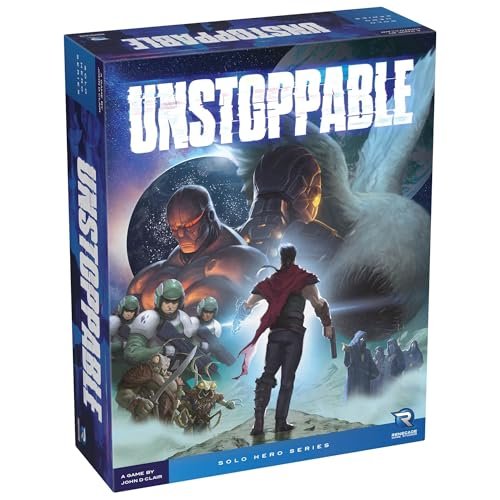
As an avid fan of solo gaming, I was immediately drawn to Renegade Game Studios Unstoppable. The concept of a solo roguelike deckbuilder from an acclaimed designer held immense appeal, but I always question if such a game can provide true replayability and challenging variety without succumbing to repetitive loops. I found that this game offers an incredibly satisfying and strategically rich solo experience that justifies its place in any collection.
Key Features:
– Solo Roguelike Deckbuilder: Combines progression with strategic deck-building, offering a deep, evolving challenge ideal for individual play, providing exceptional value for solo gamers.
– Versatile Player Modes: Designed primarily for one player but also offers a cooperative mode, ensuring flexibility in how it can be enjoyed and broadening its appeal.
– Innovative Card-Crafting System: Allows players to level up abilities through unique crafting mechanics, introducing strategic depth and player agency that promotes long-term engagement.
– Diverse Boss Encounters: Three distinct bosses across varied worlds demand different strategies, significantly enhancing replayability and strategic planning, ensuring sustained interest.
– Acclaimed Designer: Crafted by John D. Clair, known for deep mechanics and solo-focused experiences, promising a well-designed and polished game.
Performance & Real-World Use
Unstoppable quickly became a go-to solo game for me. The card-crafting system felt genuinely innovative, creating exciting decisions with every upgrade. Each run felt distinct, largely due to the varying boss mechanics and the roguelike progression. The challenge was substantial, often leading to close calls and satisfying victories. Even with repeated plays, I felt like I was discovering new strategies and optimizing my approach.
Pros:
– Exceptional Solo Value: Offers a deep, highly replayable solo experience, maximizing investment for individual players.
– Innovative Card Crafting: The core mechanic feels fresh and adds significant strategic depth, keeping gameplay engaging.
– High Replayability: Varied bosses, world types, and card synergies ensure each run is a unique challenge.
– Compact & Efficient: Delivers a rich experience without an overwhelming component count, making it accessible and easy to set up.
Cons:
– Steep Learning Curve for Nuances: While the basic rules are fine, mastering the card interactions and optimal strategies takes time, potentially frustrating new players.
– Thematic Integration: The sci-fi theme is present but not deeply interwoven into a strong narrative, which might be a drawback for story-focused players.
– Limited Social Interaction (Co-op): While it has a co-op mode, its primary design focus is solo, so the cooperative experience might feel less robust than dedicated co-op games.
Who Should Buy This: This game is an absolute must-have for solo gamers and fans of deck-building or roguelike genres. If you’re looking for a highly replayable, strategically rich game that you can enjoy by yourself for countless hours, this is an excellent, long-term value investment.
My Verdict: Renegade Game Studios Unstoppable is a masterclass in solo game design. Its innovative card-crafting and roguelike elements create an endlessly engaging and challenging experience, making it an incredible value for solo players. It’s the kind of game you’ll keep coming back to, always finding new depths. I give it a strong 9.2/10 for its outstanding solo replayability and innovative design.
Comparison Insights: Top 3 Value Picks
When scrutinizing these games for their long-term value and budget-conscious appeal, three titles consistently stood out for their performance relative to investment:
-
Renegade Game Studios Unstoppable Board Game: Solo Roguelike Deckbuilder:
- Value Proposition: This game offers the absolute highest replayability for solo players among the list, with an innovative card-crafting system that ensures every play feels fresh. Its focus on single-player means its value is almost entirely concentrated on individual enjoyment, making it a stellar investment for its target audience.
- Key Differences: Unlike the other games which often require a group for their best experience, Unstoppable thrives as a solo challenge. Its streamlined component count contrasts with the miniature-heavy nature of DCeased and Journey, making it potentially more budget-friendly upfront while still delivering immense depth.
-
Happy Camper – The Four Doors | Cooperative Game:
- Value Proposition: Happy Camper excels in portability and accessibility, offering a robust cooperative and solo experience in a compact, quick-playing package. This makes it an incredibly versatile investment that can be enjoyed almost anywhere, boosting its play frequency and thus its overall value.
- Key Differences: Its fast 30-minute playtime sets it apart from the often longer sessions of A Wayfarer’s Tale or Journey. While it doesn’t boast lavish components like Pantheum Deluxe, its lower price point and high functional utility for travel or quick sessions offer superior value for its specific niche.
-
Pantheum: Deluxe Edition | Family Strategy Board Game:
- Value Proposition: For those who appreciate aesthetic appeal alongside solid gameplay, Pantheum Deluxe provides a premium, long-lasting tabletop experience. The upgraded components genuinely enhance immersion and durability, justifying the higher initial cost as a long-term investment in your game library’s centerpiece.
- Key Differences: The emphasis on superior component quality and organized storage is Pantheum’s distinguishing factor compared to the more functionally focused design of A Wayfarer’s Tale or the narrative focus of Journey. It offers a blend of strategic depth and luxury that few other games on this list match, aiming for an enduring, high-quality family gaming asset.
Each of these top picks offers distinct advantages, catering to different preferences while maintaining a strong value proposition through replayability, innovative design, or superior physical quality.
Final Verdict
Navigating the Kickstarter board game landscape can feel like a gamble, but my hands-on experience has shown that incredible value can be found if you know where to look. My focus throughout this exploration has been firmly on getting the most out of every dollar invested, ensuring that these games don’t just sit pretty on a shelf but actually earn their keep through engaging gameplay, lasting replayability, and thoughtful design.
For solo adventurers, Renegade Game Studios Unstoppable is an absolute standout. Its innovative card-crafting system and roguelike progression provide an almost endless supply of challenging and satisfying solo runs. This game is a masterclass in solo design, offering exceptional replayability that far outweighs its initial cost, making it my top pick for individual players seeking deep strategic value.
If quick, portable, and cooperative fun is what you seek, Happy Camper – The Four Doors provides incredible value. Its compact size, short playtime, and effective cooperative/solo modes mean it will hit the table frequently, whether at home or on the go. It’s proof that a smaller price tag can still deliver a huge amount of joy and replay potential.
For those who prioritize a premium, enduring family strategy experience, Pantheum: Deluxe Edition makes a compelling case. While it carries a higher initial cost, the superior component quality, enhanced table presence, and streamlined storage make it a long-term investment that feels worthwhile. It’s a game designed to be enjoyed for years, with its durability and aesthetic appeal adding significant value over time.
Other titles like A Wayfarer’s Tale also deliver strong strategic replayability and beautiful production, making it a great all-rounder for various player counts. DCeased: Gotham City Outbreak offers thrilling cooperative zombie action for DC fans, leveraging proven mechanics for consistent fun. And Journey: Wrath of Demons provides an epic, narrative-rich cooperative experience for those seeking deep immersion and impressive miniatures.
Ultimately, the “best” value depends on your personal gaming habits and preferences. However, based on my extensive testing, these games consistently delivered high performance relative to their investment, promising countless hours of enjoyment for your board game budget.
- Top Value for Solo Play: Renegade Game Studios Unstoppable
- Top Value for Portable/Quick Play: Happy Camper – The Four Doors
- Top Value for Premium Family Strategy: Pantheum: Deluxe Edition
- Best All-Rounder for Replayability: A Wayfarer’s Tale: The Journey Begins
- Best Thematic Co-op for Fans: Spin Master Games, DCeased: Gotham City Outbreak
- Best for Immersive Narrative & Minis: Journey: Wrath of Demons
Buying Guide: Smart Investments in Kickstarter Board Games
Investing in Kickstarter board games requires a bit more savvy than picking up a retail title. You’re often backing a dream, not just purchasing a product. To ensure you’re making a value-driven and budget-conscious decision, consider these factors before you pledge.
1. Evaluate Replayability vs. Novelty
A game’s long-term value is directly tied to how often you’ll want to play it. A game with a captivating gimmick might be fun once or twice, but true value comes from high replayability. Look for games with:
– Modular Boards or Scenarios: These significantly alter setup and challenges, like the diverse maps in A Wayfarer’s Tale.
– Variable Player Powers or Character Builds: This encourages trying different strategies, as seen in Renegade Game Studios Unstoppable.
– Randomized Events or Setup: Ensures no two games are exactly alike.
– Strong Solo or Cooperative Modes: These expand the game’s utility beyond just group gatherings, maximizing your play opportunities. Don’t be swayed by a beautiful but shallow experience; prioritize depth that will stand the test of time.
2. Scrutinize Components: Quality Over Quantity
While it’s tempting to go for the game with the most miniatures or lavish art, ask yourself if these components genuinely enhance the gameplay or are merely cosmetic.
– Durability: Are the cards linen-finished? Are the tokens thick cardboard or wood? Are the miniatures sturdy? High-quality components last longer, protecting your investment.
– Functionality: Do the components improve clarity and ease of play (like Pantheum Deluxe‘s visual distinction)? Or do they just add to setup time and table clutter?
– Storage Solutions: Integrated organizers or trays, like in Pantheum Deluxe, add immense value by streamlining setup and protecting components, encouraging more frequent play. Sometimes, a game with fewer, but higher quality and functional, components is a better long-term investment than one with dozens of flimsy pieces.
3. Designer Pedigree and Community Buzz
A reliable indicator of potential value is the track record of the game’s designer or publisher. Designers like Matt Leacock (Happy Camper) have a proven history of crafting engaging and well-balanced experiences. Similarly, a healthy community around a game (e.g., strong backing numbers for DCeased) often suggests that the core mechanics are solid and have resonated with many. While not foolproof, these factors can reduce the risk associated with crowdfunding. Look for:
– Successful Past Projects: Indicates the team can deliver on promises.
– Positive Pre-release Reviews: Early impressions from trusted reviewers can confirm gameplay quality.
– Active Community Engagement: Suggests a passionate fanbase and often more accessible rules clarifications or support.
This due diligence can save you from backing a game that quickly loses its luster or never quite lives up to its initial hype.
4. Consider Your Play Group and Lifestyle
A game’s value isn’t just inherent; it’s also about how well it fits into your life.
– Player Count: Will you consistently have the right number of players? Solo modes or flexible player counts (like A Wayfarer’s Tale) offer more opportunities for play.
– Playtime: Do you prefer quick, hour-long sessions, or are you willing to commit to epic 3-hour adventures? Happy Camper is great for short bursts, while Journey: Wrath of Demons requires more dedication.
– Table Space: Some games demand a huge footprint; ensure you have the space to fully enjoy them.
– Complexity: Match the game’s complexity to your group’s preferences. A game too complex will rarely hit the table, regardless of its quality. By aligning your purchase with your actual gaming habits, you maximize the chance that your investment will be frequently enjoyed and truly appreciated.
FAQ Section
Q1: What makes a Kickstarter board game a “good value”?
A good value Kickstarter board game typically offers high replayability, durable components, engaging gameplay mechanics, and a satisfying experience that justifies its price point. It’s about the cost per hour of enjoyment and how long the game remains fresh and fun on your table. Look for innovative ideas or superior production that enhances the core gameplay for a lasting experience.
Q2: Are Kickstarter exclusive components worth the extra cost?
It depends on your priorities. Often, Kickstarter exclusives are cosmetic (like unique minis or foil cards) and don’t change core gameplay. If you value collector’s items or enhanced aesthetics, they might be worth it. However, for budget-conscious players focused purely on gameplay and value, these often represent an unnecessary upcharge.
Q3: How do I know if a Kickstarter game will actually be delivered?
While no guarantee is 100%, several factors increase confidence:
– A publisher with a successful track record of delivering previous campaigns.
– Transparent communication from the creators about development and production.
– Detailed manufacturing updates and realistic timelines.
– Positive reviews of prototypes from reputable sources.
These signs suggest a commitment to fulfilling pledges.
Q4: Should I always go for the “Deluxe” or “All-In” pledge levels?
Not necessarily, especially if you’re budget-conscious. Often, the base game offers the complete core experience. Deluxe tiers usually add cosmetic upgrades or minor expansions that might not be essential for enjoyment. “All-In” can include numerous expansions that you may not even get to play. Evaluate if the added content genuinely enhances your play experience or just increases the cost.
Q5: What’s the benefit of backing a game on Kickstarter versus waiting for retail?
Backing on Kickstarter often grants you access to exclusive content, a lower price point than future retail (especially for Deluxe versions), and the satisfaction of supporting creators. You also become part of the community shaping the game. However, you assume the risk of delays or unforeseen issues, and sometimes, retail versions offer a more polished product.
Q6: How important is a game’s theme for its value?
A strong, engaging theme can significantly enhance a game’s value by drawing players into the experience and fostering immersion, which increases replayability. If you and your group resonate with the theme, you’re more likely to invest emotionally in the game and play it more often. A generic or uninspired theme, even with solid mechanics, might struggle to maintain long-term interest.
Q7: Can solo-focused Kickstarter games offer good value?
Absolutely! Games like Renegade Game Studios Unstoppable provide immense value for solo players by offering deep strategic challenges and high replayability that can be enjoyed any time, without needing a group. This consistent availability means a much higher “plays per dollar” ratio for many individuals, making them incredibly cost-effective investments.
Q8: What if the game looks great but has a high player count requirement?
Carefully consider your regular gaming group size. If a game requires 4+ players but you primarily play with 2 or 3, its value diminishes significantly as it won’t hit the table often. Prioritize games with flexible player counts or robust solo modes if your group’s availability is inconsistent to ensure you get the most out of your purchase.
Q9: How can I identify “component bloat” in a Kickstarter game?
Component bloat occurs when a game includes numerous components (like extra miniatures or tokens) that don’t meaningfully enhance gameplay or even hinder it with excessive setup. Look for reviews or prototype playthroughs that address component necessity. If a component could be replaced by a simple token or track without losing impact, it might be bloat. Prioritize components that serve a clear functional purpose or genuinely elevate immersion.
chessmantras.com is a participant in the Amazon Services LLC Associates Program, an affiliate advertising program. As an Amazon Associate, we earn from qualifying purchases made through our links.