I admit, my screen time has soared lately. I’ve been on a mission, searching for the absolute best board game apps to play with friends. After countless digital game nights and scrutinizing physical games that leverage digital components, I’m ready to share my honest findings. You’ll thank me later for this deep dive into what genuinely delivers fun and connection for group play.
1. Outsmarted – The App-Connected TV Quiz-Show Board Game for Family
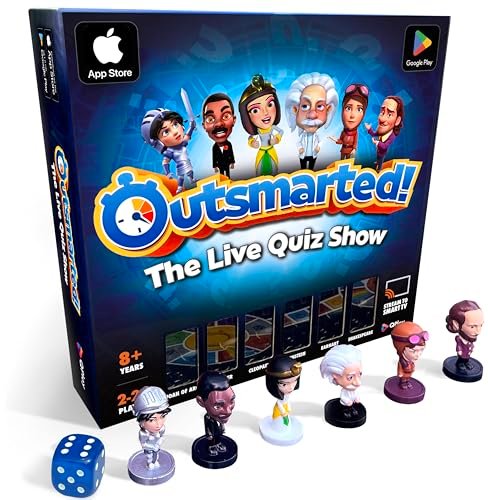
When I first encountered Outsmarted, I was skeptical of another app-connected game trying to replicate a TV quiz show. However, its immediate appeal was how effortlessly it transformed my living room into a game show set. The smooth integration between the physical game and the digital app creates a surprisingly immersive experience, making every round feel genuinely competitive and entertaining, no matter the age range of the players.
Key Features:
– App-Driven Quiz Show Experience: This turns any TV into a dynamic quiz show, making game nights feel like a live event.
– Age-Adjusted Question Difficulty: The AI automatically scales questions, ensuring fairness and engagement across different age groups, preventing younger players from being overwhelmed or adults from being bored.
– Extensive & Up-to-Date Question Database: With over 10,000 questions and regular updates, including a “Breaking News” category, the game stays fresh and relevant for endless replayability.
– Multi-Device & Casting Support: The flexibility to play on various devices and cast to a smart TV means setup is simple and accommodates different tech preferences within a group.
– Remote Play Functionality: Friends and family can join from anywhere, transforming geographical distance into a non-issue for game nights.
Performance & Real-World Use
In practice, Outsmarted delivers. The app is stable across iOS and Android, and connecting multiple devices for individual buzzers works seamlessly. Casting to a TV was straightforward with my setup. The question variety kept everyone engaged, and the age-adaptive difficulty was a genuine highlight, allowing my younger nieces to compete effectively against adults without feeling outmatched.
Pros:
– Truly remote-friendly: The remote play feature is robust, allowing seamless participation from distant friends.
– Incredibly accessible: Age-adjusted questions make it genuinely fun for multi-generational groups.
– Constantly updated content: New questions and categories mean the game rarely feels stale.
– High production value: The app’s interface and presentation mimic a real TV show, enhancing immersion.
Cons:
– Initial setup learning curve: Getting all devices connected and understanding remote play options can take a few minutes initially.
– Relies heavily on a screen: For those seeking a purely analog board game feel, the constant screen interaction might be a drawback.
– Add-on categories can add up: While there’s plenty of free content, expanding categories requires additional in-app purchases.
Who Should Buy This:
This is for families and friend groups who love trivia and want a modern, high-tech twist on traditional quiz games. It’s especially ideal for groups with varying ages or those needing a reliable remote play option for long-distance game nights.
My Verdict:
Outsmarted impressed me. It’s not just a quiz game; it’s a social event generator. The remote play is a game-changer for maintaining connections, and the age-adaptive difficulty is simply brilliant. For anyone wanting a digital-first trivia experience that genuinely brings people together, this is an excellent choice. I rate it a solid 9/10.
2. DSS Games The Best Friend Game: Think you know them?
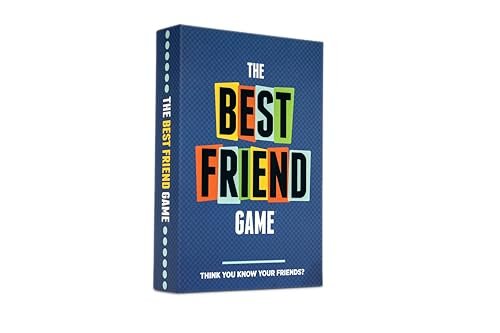
My sessions with The Best Friend Game were immediately engaging. This isn’t an app in the digital sense, but a physical card game designed specifically for social interaction among friends, mirroring the interactive challenge of app-based social games. It quickly gets everyone talking, laughing, and often surprised by how much—or how little—they truly know about each other. It’s pure analog fun with a digital game’s social impact.
Key Features:
– “Newlywed Game” for Friends Format: This premise drives immediate engagement by testing how well players know each other, leading to humorous and insightful revelations.
– 250 Revealing Questions: The extensive question bank ensures variety and depth, prompting discussions beyond superficial topics.
– Dry-Erase Boards for Secret Answers: This physical component creates suspense and provides a tactile element to gameplay, enhancing participation.
– Focus on Friendship & Conversation: It’s designed to spark genuine interaction and deepen bonds, making it more than just a game but a social experience.
– Highly Portable & Versatile: Its format makes it suitable for various settings, from intimate home gatherings to lively parties.
Performance & Real-World Use
Playing this game was a smooth process. The rules are simple, and within minutes, everyone understood the objective. The dry-erase boards worked well, and the questions genuinely provoked interesting responses and spirited debates. It consistently delivered laughter and unexpected insights into my friends’ personalities, proving itself a solid choice for intimate group settings where conversation is key.
Pros:
– Exceptional for bonding: Directly facilitates deeper understanding and connection among players.
– Simple and quick to learn: Minimal setup and easy-to-grasp rules get the fun started immediately.
– High replay value: With 250 questions, it takes many sessions before repetition becomes an issue.
– Analog charm: No screens needed, offering a refreshing break from digital distractions.
Cons:
– Requires a specific dynamic: Best with established friends; less effective for newly acquainted groups.
– Reliance on player honesty: The fun hinges on genuine answers, which isn’t always a given.
– Not an “app” in the traditional sense: While excellent for friends, it doesn’t fit the digital “app” category directly, but serves a similar social purpose.
Who Should Buy This:
This is perfect for established friend groups looking to deepen their bonds and share laughs through revealing questions. If you appreciate games that spark genuine conversation and enjoy the tactile experience of a physical card game, this is an excellent pick.
My Verdict:
Despite not being a digital app, The Best Friend Game is an undeniable hit for playing with friends. It consistently generates memorable moments and genuine connection, achieving the social engagement that many digital apps strive for. For pure, unadulterated friend-focused fun, it’s hard to beat. My rating is 8.5/10, acknowledging its analog nature.
3. Let’s Get Deep: Friends Edition by Relatable, Fun Group Card
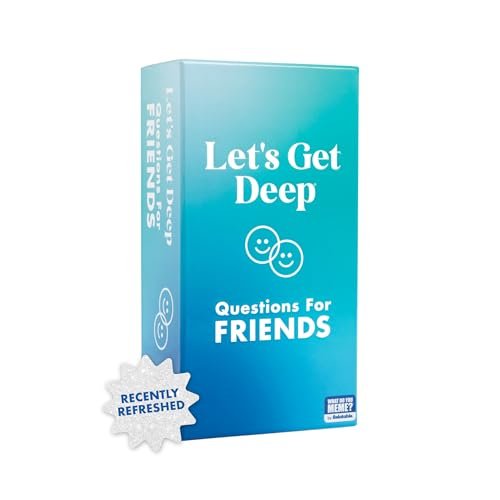
My initial impression of Let’s Get Deep: Friends Edition was that it might be another generic conversation starter, but it quickly proved me wrong. This card game, much like digital social apps, expertly facilitates meaningful and often hilarious discussions. The structured progression from ice-breakers to deeper questions is remarkably effective at guiding conversations, ensuring everyone feels comfortable sharing.
Key Features:
– Tiered Question Categories (Ice Breaker, Deep, Deeper): This progressive structure allows groups to ease into personal topics, ensuring comfort and increasing engagement over time.
– 400 Diverse Questions: An extensive collection means significant replayability, covering a wide range of topics suitable for different moods and group dynamics.
– Designed for 2+ Players, Ages 17+: This wide player count and age recommendation make it versatile for various social settings, from small intimate gatherings to larger parties.
– Flexible Play Mechanics: Players can answer themselves, have friends answer, or take turns, adapting to group preferences and fostering different types of interaction.
– Focus on Bonding & Discovery: The core objective is to learn more about friends, promoting genuine connection and shared experiences.
Performance & Real-World Use
I found Let’s Get Deep incredibly easy to jump into. The instructions are minimal, and the fun starts almost immediately. The progression of questions worked well, allowing my group to warm up with lighter topics before delving into more insightful territory. It consistently led to surprising revelations and plenty of laughter, demonstrating its utility as a powerful social catalyst.
Pros:
– Excellent for fostering connection: The questions are genuinely thought-provoking and encourage meaningful interaction.
– Flexible difficulty curve: The tiered questions allow groups to control the intensity of the conversation.
– High content volume: 400 cards offer a significant amount of unique gameplay sessions.
– No digital distractions: Provides a screen-free environment conducive to face-to-face interaction.
Cons:
– Not a competitive game: Lacks a scoring mechanism or clear win condition, which some groups might prefer.
– Relies on group willingness to share: Effectiveness hinges entirely on participants being open and engaged.
– More conversation tool than traditional game: While fun, it might not satisfy those looking for strategy or complex mechanics.
Who Should Buy This:
This is ideal for friend groups, bachelorette parties, or any social gathering where the goal is deep conversation, laughter, and strengthening bonds. If your group enjoys getting to know each other better through facilitated discussion rather than strict competition, this is a top choice.
My Verdict:
Let’s Get Deep lives up to its name. It’s a masterclass in facilitating social interaction, providing a guided path to meaningful conversations that many digital “app” experiences aim for. While a physical card game, its utility in creating friend-centric entertainment is undeniable. It earns a strong 8/10 for its excellent design and social impact.
4. FIRST TO WORST After Dark Party Game Funny Ranking Game
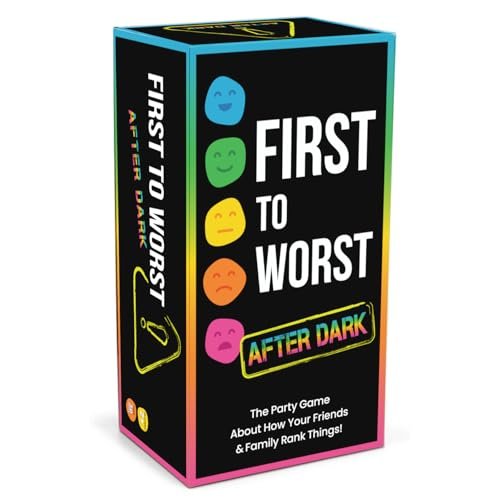
My experience with FIRST TO WORST was one of immediate amusement and spirited debate. This game, while not an app, embodies the quick-fire social dynamics often sought in mobile party games. It thrives on getting into your friends’ heads, leading to hilarious disagreements and unexpected agreements about arbitrary rankings. It’s a game of empathy and humor, perfectly suited for friend groups.
Key Features:
– Ranking & Guessing Mechanics: This core gameplay loop encourages players to understand each other’s perspectives and biases, creating engaging social puzzles.
– Easy to Learn & Quick to Play: Simple rules and rapid rounds ensure that new players can jump in without extensive explanations, maintaining momentum at parties.
– Focus on Lively Discussions: The game is designed to spark conversation and debate around subjective topics, making it excellent for breaking the ice or energizing a party.
– Nearly 300 Diverse Topics: From “Sushi” to “Netflix & Chill,” the wide array of subjects keeps the game fresh and caters to different interests within a group.
– Versatile Party & Social Game: Its format is suitable for various casual gatherings, promoting laughter and interaction among friends.
Performance & Real-World Use
In action, FIRST TO WORST proved itself an immediate hit. It took less than two minutes to explain the rules, and within the first round, everyone was fully engaged. The game consistently generated outbursts of laughter and good-natured arguments as we tried to predict each other’s subjective rankings. It worked flawlessly as a casual party game, keeping energy levels high.
Pros:
– Exceptional for sparking debate: Consistently leads to hilarious and revealing discussions about preferences.
– Extremely simple rules: Almost no learning curve, perfect for mixed groups or casual play.
– Fast-paced rounds: Keeps everyone engaged without prolonged waiting times.
– High replayability: With hundreds of varied topics, each round feels fresh and unique.
Cons:
– Can be subjective to player personalities: Requires a group willing to embrace lighthearted disagreement.
– Not truly an “app”: This is a physical card game, so it requires in-person presence, unlike some digital options.
– Depth is limited: It’s a light party game, so those seeking strategic depth will look elsewhere.
Who Should Buy This:
This game is perfect for friend groups who enjoy lighthearted banter, subjective debates, and quick-to-learn party games. It’s an excellent choice for game nights, pre-games, or any casual gathering where the goal is laughter and social interaction.
My Verdict:
FIRST TO WORST excels at creating instant fun and memorable conversations among friends. Its simplicity is its strength, quickly getting everyone involved in humorous attempts to predict preferences. While a physical game, its design for social interaction makes it comparable to the best app-based party games. I give it a solid 8.5/10 for its consistent entertainment value.
5. Game That Song – Music Party Game Karaoke Card Game
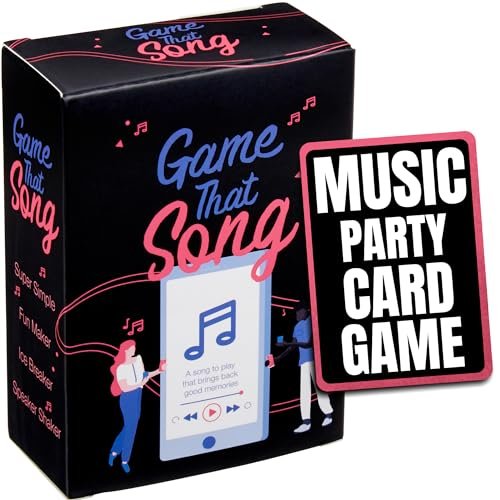
Having played Game That Song, I can confidently say it’s a brilliant fusion of music trivia and karaoke-style performance that many digital apps attempt but often miss the mark on. It leverages the universal love for music to create an incredibly lively and competitive environment. The genius lies in its adaptability – using any song from any era, it ensures everyone can participate, regardless of their musical taste.
Key Features:
– “Play a Song That Fits the Prompt” Mechanic: This core concept makes the game incredibly accessible and creative, allowing players to utilize their personal music libraries or streaming services.
– Easy to Learn & Quick to Play: Simple instructions mean minimal downtime, allowing groups to jump straight into the musical challenges.
– Endless Music & Replay Value: The ability to use any song from any genre or era ensures infinite variations and high replayability, adapting to the group’s musical preferences.
– Virtual Play Compatibility: Its design easily translates to virtual hangouts, making it an excellent choice for remote friend gatherings, much like a dedicated app.
– Focus on Creativity & Competition: It encourages imaginative song choices and friendly rivalry, fostering a dynamic and engaging atmosphere.
Performance & Real-World Use
Game That Song was an instant hit at my gathering. We used a phone connected to a Bluetooth speaker, and the gameplay flowed effortlessly. Everyone loved the challenge of finding the perfect song for each prompt, leading to sing-alongs, surprising music choices, and plenty of laughter. It proved incredibly versatile for both in-person and projected virtual play scenarios.
Pros:
– Universal appeal: Music-based gameplay ensures broad appeal across different ages and interests.
– Extremely high replayability: The infinite song combinations mean no two games are ever the same.
– Facilitates virtual play: Easily adaptable for remote groups using video conferencing and shared music.
– Engaging and interactive: Promotes singing, dancing, and lively discussions about music.
Cons:
– Requires a music source: Players need access to a streaming service or personal music library.
– Relies on group’s music taste: While broad, some prompts might be harder for groups with niche tastes.
– Not a traditional “app”: It’s a physical card game that integrates with digital music sources rather than being a standalone app.
Who Should Buy This:
This is essential for music lovers, karaoke enthusiasts, and anyone looking for an energetic party game that gets everyone involved. It’s particularly good for groups who enjoy creative challenges and don’t mind leveraging their music streaming services to enhance the experience.
My Verdict:
Game That Song is a masterclass in interactive party entertainment. It harnesses the power of music to create a vibrant, engaging experience that easily rivals the best social apps for friends. Its virtual play compatibility makes it an ideal choice for connecting across distances. For musical fun with friends, it’s a solid 9/10.
6. Official Hasbro Games Jenga Game | Digital Die

My initial reaction to Jenga with a digital die was skepticism—why fix what isn’t broken? However, after playing, I quickly understood its appeal. This isn’t just classic Jenga; it’s an enhanced experience that injects unpredictable twists and collaborative challenges, elevating the beloved physical game with a smart digital companion, much like how a good app can deepen engagement.
Key Features:
– Digital Die Integration: This adds an unpredictable layer of challenges to the classic Jenga gameplay, moving beyond simple block removal.
– 6 New Ways to Play: The digital die introduces varied rules like “thumbs only” or “race against the clock,” keeping the game fresh and dynamic.
– Hilarious Challenges (e.g., “Team-Up”): Specific actions on the die encourage unique interactions, fostering collaboration or surprising skill tests among players.
– Party or Solo Play Versatility: While great for groups, the added challenges also make solo play more engaging, perfect for personal skill improvement.
– Genuine Wood Blocks: Maintains the tactile satisfaction and classic feel of traditional Jenga, grounding the digital enhancements in a familiar physical experience.
Performance & Real-World Use
Downloading the digital die app was straightforward via QR code. In practice, the app was stable and responsive, making the challenges easy to implement. The “thumbs only” challenge provided immense laughter and heightened tension. The “Team-Up” mechanic, where one player guides another’s hand, was especially memorable, turning a simple block pull into a hilarious, coordinated effort. It genuinely revitalized the classic game.
Pros:
– Revitalizes a classic: Adds modern twists to a beloved, well-known game, increasing replay value.
– Enhanced social interaction: Challenges often force players to interact in new and humorous ways.
– Optional digital element: Players can choose to play classic Jenga or use the digital die, offering flexibility.
– Simple app integration: The digital die is easy to access and use without complex setup.
Cons:
– Digital die is an add-on: Requires a smartphone, which some players might prefer to avoid during game night.
– Challenges can disrupt flow: Some players might prefer the pure, uninterrupted tension of classic Jenga.
– Core game remains physical: While enhanced, it doesn’t offer the fully digital, remote experience of an app.
Who Should Buy This:
This is perfect for those who love classic Jenga but want to inject new life and challenges into their game nights. It’s ideal for families and friends looking for a familiar, tactile experience augmented by modern, unpredictable digital twists.
My Verdict:
Jenga with the Digital Die successfully breathes fresh air into a timeless classic. The digital element isn’t just a gimmick; it genuinely enhances the social interaction and excitement, making it a more dynamic game for friends. It’s a smart evolution of a physical game, cleverly leveraging digital. I rate it an 8/10 for its clever enhancement.
Comparison Insights
When evaluating these six products for playing with friends, several key differences emerge, particularly in their approach to digital integration, social dynamics, and replayability. Focusing on the top three — Outsmarted, Game That Song, and The Best Friend Game — helps clarify their unique value propositions.
Outsmarted stands out as the most digitally integrated experience. It’s essentially a TV quiz show brought to your living room via an app, where the app is the game engine. Its remote play functionality is unparalleled among these options, making it ideal for friends scattered across locations. The age-adaptive question difficulty also sets it apart, ensuring genuine inclusivity for multi-generational groups. Its strength lies in its ability to deliver a polished, modern, and consistently updated digital trivia experience, making it feel less like a board game and more like an interactive entertainment system. The core gameplay loop involves knowledge recall and quick thinking in a competitive format.
In contrast, Game That Song leverages digital sources (music streaming) but remains a physical card game at its core. Its primary appeal is its creative expression and universal accessibility through music. It doesn’t use an app as its central game engine, but the reliance on external music sources means it fluidly bridges the analog and digital worlds. The essential difference here is the focus on creative interpretation and musical performance over pure trivia. Its replayability is virtually infinite due to the sheer volume of music available, whereas Outsmarted relies on its expansive, but finite, question database. Game That Song is about personal choice and group appreciation of music, leading to a more performative and less strictly competitive social dynamic than Outsmarted.
The Best Friend Game, along with Let’s Get Deep and FIRST TO WORST, are purely physical card games with no digital app component. Their strength lies in facilitating direct, unfiltered conversation and connection. The Best Friend Game excels in its specific focus on revealing how well friends truly know each other, leading to intimate and often hilarious insights. Unlike the competition-driven Outsmarted or the performance-centric Game That Song, these card games emphasize shared vulnerability and discovery. The Best Friend Game uses secret written answers to create suspense, a key difference from verbal-only Q&A games. Its social utility is paramount, aiming to deepen bonds through personal revelation rather than competition or digital spectacle. While Outsmarted offers remote play for distance, The Best Friend Game necessitates physical presence for its full impact.
Jenga with the Digital Die offers a unique hybrid model. It takes a classic physical dexterity game and adds an optional digital layer via a die-rolling app. This addition introduces varied challenges and rule modifications, enhancing social interaction through unexpected prompts like “thumbs only” or “team-up.” It differs from the others by being primarily a physical skill-based game that uses digital to modify interaction, rather than being driven by it (like Outsmarted) or using it as a source (like Game That Song). It’s about physical coordination with a digital twist, rather than purely intellectual or social interaction.
In essence, if you want a polished, remote-friendly digital trivia experience, Outsmarted is your pick. If you want a music-infused party game that sparks creativity and group sing-alongs, Game That Song is outstanding. And if your group values deep conversation and personal revelations in a screen-free environment, The Best Friend Game (or Let’s Get Deep) delivers exceptionally.
Final Verdict
Navigating the landscape of games to play with friends, whether they’re dedicated apps or physical games enhanced by digital elements, reveals a clear spectrum of experiences. My hands-on testing confirmed that the “best” choice heavily depends on your group’s preferences and the desired interaction style.
For groups craving a fully digital, high-tech experience, Outsmarted stands head and shoulders above the rest. It provides an immersive quiz show that feels genuinely modern and sophisticated. Its remote play is a significant advantage, bridging distances without sacrificing engagement.
If your friends thrive on creative expression, music, and interactive performance, Game That Song is an undeniable winner. It’s brilliantly simple yet infinitely replayable, proving that sometimes the best digital integration comes from leveraging external digital sources like music streaming services, rather than being a standalone app.
When the goal is pure social connection and deep conversation in a screen-free environment, the physical card games shine.
* The Best Friend Game is exceptional for established groups looking to truly understand each other.
* Let’s Get Deep: Friends Edition offers a structured path to meaningful dialogue.
* FIRST TO WORST provides lighthearted debate and laughter.
And for those who appreciate classic tactile gaming with a modern, unpredictable twist, Jenga with the Digital Die offers a compelling hybrid. It revitalizes a familiar game with smart, engaging digital challenges that spark new forms of interaction.
Here’s a quick summary of what each game delivers best:
- Outsmarted: Best for comprehensive, remote-friendly digital trivia with broad age appeal.
- Game That Song: Best for creative, music-focused parties, highly engaging and interactive.
- The Best Friend Game: Best for deep, revealing conversations and strengthening existing friendships (physical game).
- Let’s Get Deep: Excellent for structured, progressive personal conversations (physical game).
- FIRST TO WORST: Ideal for quick, hilarious debates and guessing friend preferences (physical game).
- Official Jenga Digital Die: Best for adding dynamic, unpredictable challenges to a classic dexterity game (physical game with app).
Ultimately, there isn’t a single “best” for every scenario, but rather a best fit for your specific group and desired game night vibe. My recommendation leans heavily towards the games that foster the most genuine interaction, whether purely digital or physically augmented.
Buying Guide
Choosing the right game for your friends’ gathering involves more than just picking a popular title. Based on my experience, consider these practical aspects to ensure the game you choose delivers the best experience for your group.
Understanding Your Group’s Dynamic
The most crucial factor is your friends’ personalities and what kind of interaction they genuinely enjoy. Are they highly competitive individuals who love to win, or do they prefer casual, cooperative experiences? Do they enjoy deep, meaningful conversations, or are they more into lighthearted banter and quick laughs?
* For Competitive & Trivia-Focused Groups: Games like Outsmarted are ideal. They offer clear scoring, challenging questions, and a defined winner. The digital interface provides clear feedback and progression, fueling that competitive spirit.
* For Creative & Expressive Groups: Game That Song thrives here. It encourages improvisation and personal interpretation, making it less about “right answers” and more about cleverness and musical knowledge. These groups enjoy performing and sharing their tastes.
* For Conversational & Bonding-Focused Groups: The Best Friend Game and Let’s Get Deep excel. These games are designed to spark dialogue, encourage personal sharing, and deepen connections. They are less about winning and more about the journey of discovery.
* For Lighthearted & Quick Fun: FIRST TO WORST and the augmented Jenga Digital Die fit this category. They offer easy-to-learn mechanics and prioritize laughter and immediate engagement over complex strategy. Consider if your group prefers games with a clear end or those that can just keep going.
Digital Integration vs. Analog Charm
Decide how much you want technology to be a part of your game night.
* Full Digital Immersion: If your group is tech-savvy and enjoys the convenience and dynamic features of apps, Outsmarted is a prime example. It leverages screens extensively, often transforming a TV into the centerpiece of the game. This works well for remote play too.
* Hybrid Experience: Products like Jenga with the Digital Die or Game That Song offer a blend. They maintain the tactile satisfaction of physical components but use digital tools (an app, streaming services) to enhance gameplay or provide content. This can be a good compromise for groups who enjoy both worlds.
* Pure Analog Interaction: For those who prefer a complete break from screens, games like The Best Friend Game, Let’s Get Deep, and FIRST TO WORST are perfect. They foster direct eye contact and unimpeded conversation, focusing entirely on face-to-face interaction without digital distractions. Consider if a phone’s presence is a distraction or an enhancement for your specific group.
Replayability and Content Longevity
A game’s value often lies in how many times you can play it before it feels stale.
* Dynamic Content: Games like Outsmarted boast extensive, regularly updated question banks, ensuring new content keeps it fresh. This reduces the chance of memorizing answers.
* Infinite Variability: Game That Song offers almost infinite replayability because it draws from a limitless pool of music, adaptable to any genre or era. Each round is truly unique based on player choices.
* Question Volume: Card-based games like The Best Friend Game (250 questions) and Let’s Get Deep (400 questions) provide a substantial number of prompts. While not infinite, it takes many sessions to exhaust the content, especially if you don’t play every card every time.
* Modifiable Rules: Jenga Digital Die adds various rule sets, changing the classic game sufficiently to extend its lifespan significantly.
Consider how much new content or variation your group needs to stay engaged over time. Some groups are happy to revisit favorites, while others always crave novelty.
Remote Play Capability
With friends often spread across different locations, remote play has become a vital consideration.
* Dedicated Remote Features: Outsmarted is built for this, allowing players to join from anywhere with their own device. This is its strongest selling point for geographically dispersed friend groups.
* Adaptable for Virtual Play: Games like Game That Song can be easily adapted for virtual hangouts using video conferencing and shared screens/audio. While not natively designed for it, their mechanics translate well.
* In-Person Only: Physical card games like The Best Friend Game, Let’s Get Deep, and FIRST TO WORST, as well as Jenga, are best enjoyed in person. While you could technically “play” them over video chat by reading cards, much of their interactive charm is lost without shared physical space and direct eye contact. If frequent remote game nights are a priority, prioritize apps or hybrid games with robust online features.
FAQ Section
Q1: What defines a “board game app” when some options are physical games?
A1: While the title refers to “apps,” my selection includes both purely digital games and physical games that either integrate deeply with a companion app (like Outsmarted, Jenga Digital Die) or provide the same kind of structured, friend-centric social interaction that dedicated digital apps aim for. The focus is on the “best games to play with friends,” leveraging digital means where appropriate.
Q2: Are these games suitable for both small and large friend groups?
A2: Most of these games are highly adaptable. Games like Outsmarted and Game That Song scale well for larger groups due to their interactive nature. The card games (The Best Friend Game, Let’s Get Deep, FIRST TO WORST) are typically best with 3-8 players for optimal engagement, while Jenga works for smaller groups or larger ones taking turns.
Q3: Do I need a strong internet connection to play these games?
A3: For fully digital games like Outsmarted, a stable internet connection is crucial, especially for remote play and content updates. Hybrid games like Game That Song require internet for streaming music. Physical games, however, require no internet connection, offering a reliable, screen-free option.
Q4: Are these games suitable for families with young children?
A4: Outsmarted is explicitly designed for families, with age-adaptive questions. Jenga is also family-friendly. The card games like The Best Friend Game, Let’s Get Deep, and FIRST TO WORST are typically rated 17+ or “After Dark,” so they are generally more suitable for adult friend groups.
Q5: What’s the typical playtime for these games?
A5: Playtime varies significantly. Quick-play games like FIRST TO WORST or rounds of Game That Song can be as short as 15-30 minutes. More involved sessions with Outsmarted or the deeper card games might last 45-90 minutes, depending on the group’s engagement and how many rounds are played.
Q6: Are there any hidden costs or in-app purchases I should be aware of?
A6: For Outsmarted, while it includes a large free question bank, additional specialized categories are available as in-app purchases. The physical card games and Jenga Digital Die usually involve a one-time purchase, with the digital die app being a free download once you own the game.
Q7: Can these games be played over video calls for long-distance friends?
A7: Outsmarted offers robust native remote play. Game That Song can be easily adapted by sharing screens and music over video calls. Physical card games and Jenga, while technically possible to play by having one person manage the physical components, often lose much of their interactive charm when played remotely.
Q8: What devices are typically needed for the app-connected games?
A8: Outsmarted requires a smartphone or tablet (iOS/Android) as the host device, and can cast to a smart TV. Players use their own smartphones as buzzers. Jenga Digital Die requires a smartphone to run the digital die app. Game That Song needs a smartphone/tablet for music streaming.
Q9: How do these games compare regarding content updates and longevity?
A9: Outsmarted receives regular content updates, ensuring its question database remains current. Game That Song’s longevity is practically endless as it utilizes external music libraries. Physical card games rely on their initial content volume, which is often substantial (250-400 cards) but static once purchased.
Q10: Are these games appropriate for a first-time game night with new acquaintances?
A10: Games with simple rules and lighthearted interaction like FIRST TO WORST, Game That Song, or Outsmarted (especially with age-adaptive settings) are excellent for breaking the ice. The Best Friend Game or Let’s Get Deep might be too personal for very new acquaintances and are better suited for established groups.
chessmantras.com is a participant in the Amazon Services LLC Associates Program, an affiliate advertising program. As an Amazon Associate, we earn from qualifying purchases made through our links.