My living room often feels like a game testing lab, a vibrant arena filled with giggles, occasional frustration, and the triumphant shouts of small victories. Especially with two little explorers under six who are always eager for a new challenge, I’ve had the distinct pleasure—and sometimes, the exhaustive experience—of putting countless board games through their paces. I’ve finally narrowed down the best board games for kids under 6, the absolute standouts that genuinely captured their attention, fostered learning, and kept them coming back for more. These aren’t just games; they’re gateways to developing crucial skills, all wrapped up in pure, unadulterated fun, observed through countless play sessions right here in my home.
In this deep dive, I’ll share my hands-on insights into six fantastic titles, delving into their real-world performance, what makes them tick, and why they’ve earned a permanent spot on my game shelf. I’ve watched firsthand how these games transform a rainy afternoon into an adventure, how they teach patience (eventually!), and how they build those precious family memories. Let’s dive into the games that have earned my enthusiastic seal of approval!
1. Hasbro Gaming Candy Land Kingdom of Sweet Adventures Board Game
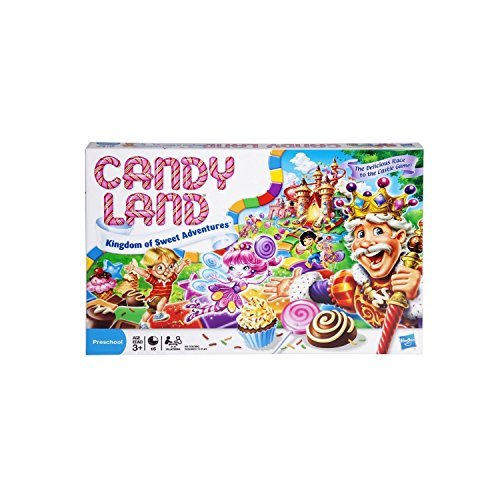
Watching my youngest take their first steps into the magical world of Candy Land always brings a huge smile to my face. This game isn’t just a classic; it’s a rite of passage, an enchanting journey that completely bypasses the need for reading, making it instantly accessible to even the most nascent gamers. The sheer joy on their faces as they discover the Peppermint Forest or the Gumdrop Mountains is truly infectious, proving that simple, colorful mechanics can hold even the wiggliest of attention spans.
Key Features:
– CLASSIC BEGINNER GAME: It’s an ideal first board game, introducing fundamental concepts like turn-taking and following a path without any complex rules.
– RACE TO THE CASTLE: This clear, singular objective provides a tangible goal for little ones, making the game easy to understand and engage with.
– NO READING REQUIRED TO PLAY: The use of colors and pictures means even the youngest preschoolers can play independently, boosting their confidence.
– GREAT GAME FOR LITTLE ONES: The vibrant illustrations and sweet-themed path are incredibly appealing, holding their visual interest throughout the game.
– FUN ILLUSTRATIONS THAT KIDS LOVE: The whimsical artwork truly brings the game to life, sparking imagination and adding to the overall play experience.
Performance & Real-World Use
In countless play sessions, Candy Land consistently shines for its immediate engagement. My kids, even at three, grasped the core concept quickly. The simple draw-a-card-and-move mechanic means there’s virtually no downtime or complex decision-making, keeping the pace brisk and their interest piqued. It’s perfect for those shorter attention spans, usually wrapping up before meltdowns begin.
Pros:
– Super Accessible: Literally anyone can play, regardless of age or reading ability.
– Boosts Color Recognition: Reinforces learning colors in a fun, interactive way.
– Develops Turn-Taking: A gentle introduction to social game etiquette.
– Quick Playtime: Ideal for short attention spans, making it easy to finish a game.
Cons:
– Zero Strategy: Pure luck, which might frustrate older children looking for more depth.
– Can Be Repetitive: The lack of variation means the game feels similar every time.
– Component Durability: Cards can be a bit thin, potentially wearing out with enthusiastic handling.
Who Should Buy This: This is the quintessential first board game for toddlers and preschoolers aged 3-5, especially those just starting to learn colors and the concept of turn-taking. It’s for parents who want a straightforward, joyful, and visually stimulating experience.
My Verdict: Candy Land is an absolute staple for a reason. Its vibrant charm and incredible accessibility make it a fantastic entry point into the world of board games, fostering early learning and pure, uncomplicated fun. While it lacks strategic depth, its magic lies in its simplicity and the sheer delight it brings to young faces. A solid 8/10 for its foundational role in early gaming!
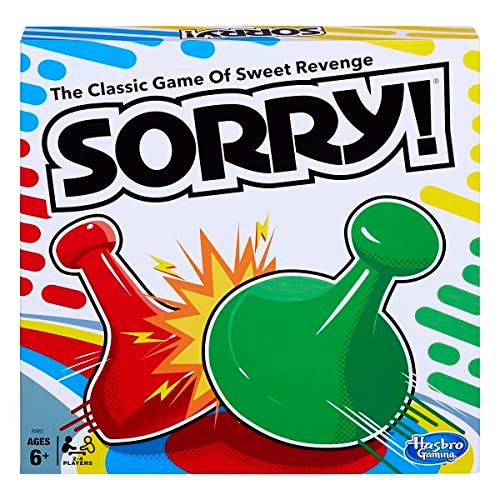
2. Sorry! Board Game for Kids Ages 6 and Up, Classic
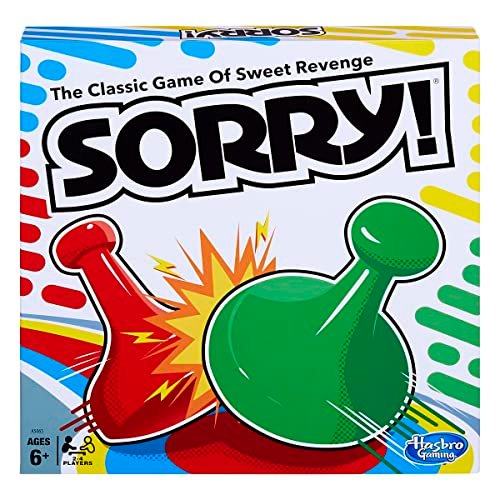
When my kids hit the “bigger kid” stage just before six, I knew it was time to introduce them to the delightful chaos of Sorry! There’s something undeniably exhilarating about sliding a pawn across the board, sending an opponent back to start, and then watching the inevitable dramatic gasps and giggles that follow. This game is a fantastic step up, introducing a touch of strategy and a whole lot of social interaction, often of the “sweet revenge” variety, which my kids absolutely adore (and sometimes overuse!).
Key Features:
– GAME OF SWEET REVENGE: The ability to send opponents back to start adds an exciting, playful competitive element that truly engages older preschoolers.
– FIRST ONE HOME WINS: A clear, understandable objective that helps children focus and strategize their moves toward a defined goal.
– SO MANY POSSIBILITIES: The card draw system introduces a variable element, ensuring each game feels a little different and keeps players on their toes.
– CLASSIC SORRY! GAMEPLAY: It introduces children to a beloved game that adults remember, creating a shared generational experience.
– FAMILY GAME NIGHT FAVORITE: Its blend of luck and light strategy makes it appealing across different age groups, fostering family interaction.
Performance & Real-World Use
I’ve observed that Sorry! truly begins to shine around age 5-6. My older child, nearly six, grasped the strategic nuance of when to move which pawn or when to use a “Sorry!” card for maximum impact. The emotional rollercoaster of the game – joy when moving forward, frustration when sent back – is excellent for developing emotional regulation. We often have lively discussions about “good sportsmanship” after a particularly dramatic turn of events.
Pros:
– Introduces Light Strategy: Kids start thinking a few steps ahead, like protecting pawns.
– Engaging Competition: The “Sorry!” mechanic adds excitement and playful tension.
– Develops Number Recognition: Cards require counting spaces, reinforcing early math skills.
– High Replayability: Every game unfolds differently due to card draws.
Cons:
– Can Be Frustrating: Being sent back to start can lead to meltdowns for sensitive players.
– Longer Playtime: Games can sometimes stretch, challenging younger attention spans.
– Small Pieces: Pawns can be easily lost if not carefully managed.
Who Should Buy This: Ideal for families with kids aged 5 and up who are ready for a game with a bit more complexity, strategy, and social interaction. It’s perfect for introducing the concept of playful competition and managing winning and losing.
My Verdict: Sorry! is a brilliant bridge game for kids transitioning from purely luck-based games to those with a dash of decision-making. It’s boisterous, often hilarious, and genuinely teaches kids about the ebb and flow of fortune in a game. It’s an energetic addition to game night. I give it a solid 7.5/10 for its enduring appeal and developmental benefits, especially when played with a patient grown-up!
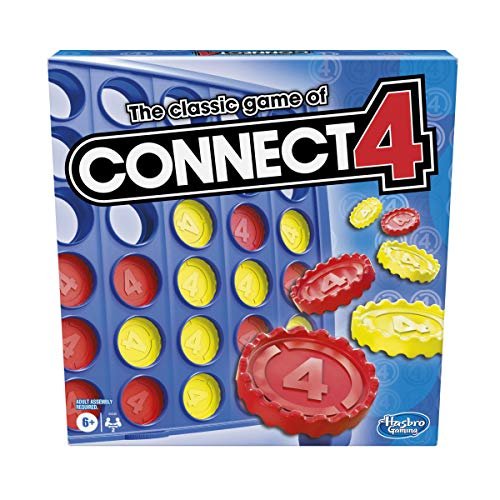
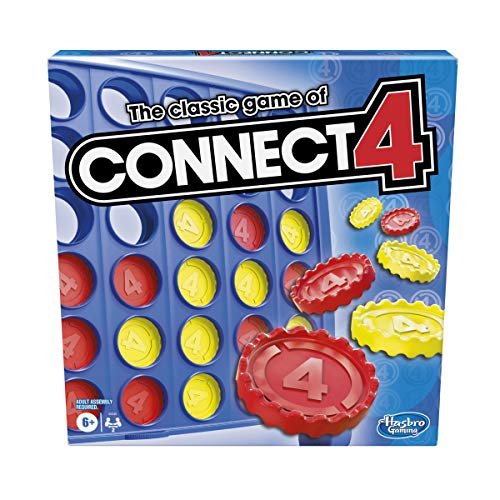
3. Hasbro Gaming Connect 4 Classic Grid, 4 in a Row
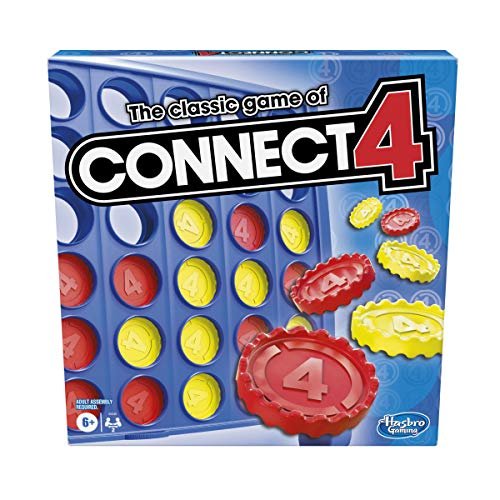
Connect 4 is one of those games that truly sparked my kids’ competitive spirits in a fantastic way. It’s a pure burst of strategic fun that transcends age, and I’ve found myself just as engrossed as they are, trying to block their ingenious moves! The click-clack of the discs dropping into the grid is oddly satisfying, and the challenge of seeing patterns and thinking ahead, even for a few moves, provides a substantial mental workout disguised as thrilling playtime.
Key Features:
– RULE THE GRID 4 THE WIN: The simple objective—get four in a row—is immediately understandable, allowing kids to focus on the “how.”
– EXCITING STRATEGY GAME: This game is a fantastic early introduction to strategic thinking, pattern recognition, and anticipating an opponent’s moves.
– MODERN STYLE & COOL COLORS: The updated look makes it visually appealing, drawing kids in with its contemporary feel.
– 3 WAYS TO PLAY: Offering variations like Connect 4 Frenzy adds replayability and keeps the game fresh, catering to different energy levels.
– EASY, FAST, AND FUN GAME FOR FAMILIES: Quick setup and relatively short game times make it highly accessible for spontaneous play sessions.
Performance & Real-World Use
My kids, particularly around age 4-5, absolutely adore Connect 4. What surprised me most was how quickly they began to grasp rudimentary strategy – blocking my potential four-in-a-row or setting up their own. It’s incredibly satisfying to watch their little brains light up as they spot a winning move. The vertical nature of the game also adds a unique spatial reasoning challenge that many other board games don’t offer. It’s fantastic for fostering independent play too, as they often challenge each other.
Pros:
– Develops Spatial Reasoning: Kids learn to think in 2D and 3D space simultaneously.
– Teaches Strategic Thinking: Encourages planning ahead and anticipating opponent’s moves.
– Quick to Learn, Hard to Master: Easy entry, but offers depth for continued engagement.
– Compact & Durable: Easy to store and robust enough for enthusiastic play.
Cons:
– Two-Player Only: Limits larger family game night participation directly.
– Discs Can Get Lost: Small pieces require careful management during and after play.
– Can End Abruptly: Sometimes a game is won with a move that wasn’t immediately obvious, which can be anticlimactic.
Who Should Buy This: An excellent choice for families looking for a two-player strategy game that is quick to learn but offers significant developmental benefits. It’s ideal for kids aged 4-6 who enjoy thinking ahead and engaging in friendly, competitive play.
My Verdict: Connect 4 remains a timeless gem. Its blend of simple rules and strategic depth makes it incredibly rewarding. It’s one of my top picks for encouraging early critical thinking and pattern recognition, often leading to triumphant yells of “Four in a row!” A well-deserved 9/10 for its enduring strategic fun and developmental impact.
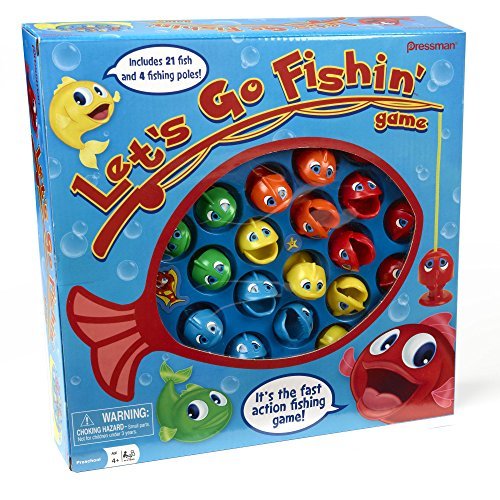
4. Let’s Go Fishin’ Game by Pressman – Original Fast-Action
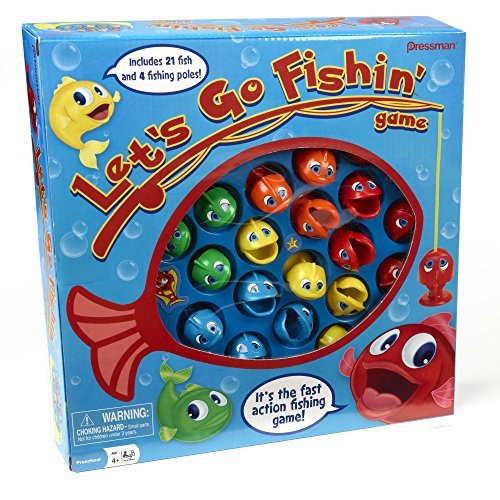
Let’s Go Fishin’ is pure, unadulterated, nostalgic fun, and it never fails to bring a burst of energy to my game table! The moment that central disc starts rotating and those little fish open and close their mouths, my kids are absolutely mesmerized. It’s such a simple concept, yet the thrill of trying to hook a fish just as its mouth closes is genuinely captivating. It feels like stepping back in time to my own childhood, sharing a beloved experience with my own little ones.
Key Features:
– ORIGINAL VERSION OF A WELL-KNOWN GAME: Provides a sense of familiarity and nostalgia for parents, creating an instant connection.
– GAMEPLAY HELPS DEVELOP HAND-EYE COORDINATION: The act of aiming and catching fish precisely requires fine motor skill development.
– PLAYERS USE MINI FISHING POLES TO TRY TO CATCH THE MOST FISH: This unique interactive element adds a tactile and engaging dimension to the game.
– FEATURES A ROTATING POND AND FISH THAT OPEN AND CLOSE THEIR MOUTHS: The dynamic movement keeps kids visually engaged and adds a layer of excitement.
– FOR 1-4 PLAYERS, AGES 4 AND UP: Accommodates multiple players, making it suitable for family play or small groups.
Performance & Real-World Use
This game is a fantastic sensory experience for the 3-6 age group. The constant motion and the challenge of timing the pole with the fish’s opening mouth are perfect for developing fine motor skills and hand-eye coordination. I’ve noticed my children’s dexterity improve significantly with regular play. It’s less about strategy and more about reactive skill, making it a great energy burner and a fun, lighthearted break from more intense games. It’s also surprisingly durable despite the constant movement.
Pros:
– Excellent for Fine Motor Skills: Directly enhances hand-eye coordination and dexterity.
– High Engagement Factor: The moving parts and active gameplay keep kids glued to it.
– Quick Rounds: Fast-paced nature prevents boredom, ideal for short bursts of play.
– Nostalgic Appeal: Parents often love sharing this classic with their children.
Cons:
– Repetitive Gameplay: The core mechanic doesn’t change, which can lead to limited long-term engagement for some.
– Noise Factor: The rotating mechanism can be a bit noisy during extended play.
– Batteries Required: An extra consideration for maintenance.
Who Should Buy This: Families looking for an active, skill-based game that focuses on hand-eye coordination and fine motor development rather than strategic thinking. It’s a great option for kids aged 3-5 who enjoy physical interaction within their games.
My Verdict: Let’s Go Fishin’ is a wonderful burst of physical fun, excellent for developing dexterity and providing immediate gratification. While it might not teach complex strategy, it absolutely excels at what it sets out to do: engaging young players with its delightful, fast-paced action. It’s a joyful 7/10 for its sheer fun and developmental benefits in coordination.
5. Regal Games Card Games for Kids – 6 Classic Games
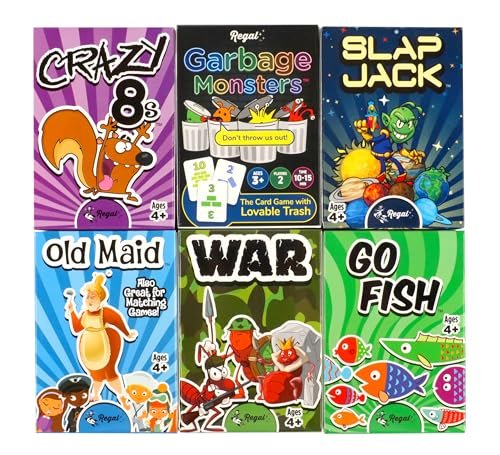
This collection of classic card games is an absolute treasure trove for any family with young children. I’ve found that card games offer a unique kind of portability and intimacy, making them perfect for those spontaneous moments – waiting for dinner, a quick visit to grandma’s, or even a quiet afternoon at home. With six different games in one box, it’s an incredible value, providing endless opportunities to teach fundamental concepts like matching, memory, and simple sequencing, all with cards perfectly sized for little hands.
Key Features:
– FUN-FILLED DECKS: 6 CLASSIC GAMES: Offers incredible variety, ensuring there’s always a game to match the mood or skill level of the players.
– CHILD-FRIENDLY DESIGN: Vibrant colors and clear, simple illustrations are highly appealing and easy for young minds to process.
– SKILL-BUILDING GAMES: Directly promotes cognitive development in areas like memory, matching, number recognition, and social interaction.
– BIG CARDS FOR LITTLE HANDS: Larger card size makes them much easier for small fingers to hold, shuffle, and manage, reducing frustration.
– FUN ON THE FLY: Their compact nature makes them ideal for travel, impromptu play, and keeping kids entertained anywhere.
Performance & Real-World Use
This set is truly a workhorse in my home. We’ve played countless rounds of Go Fish, Old Maid, and Memory Match. The larger cards are a game-changer for little hands; my kids, even as young as three, could manage them without frustration, which is a massive win. Each game offers distinct learning opportunities, from matching pairs in Go Fish to remembering locations in Memory Match. It’s fantastic for developing verbal communication as they ask for cards or try to bluff (hilariously!) in Old Maid.
Pros:
– Exceptional Value: Six diverse games in one package, offering variety for different ages and moods.
– Promotes Diverse Skills: Targets memory, matching, counting, and social communication.
– Kid-Friendly Design: Oversized, colorful cards are easy for small hands and eyes.
– Highly Portable: Fits easily into a bag for travel or on-the-go entertainment.
Cons:
– Learning Curve: Parents need to teach the rules for each individual game, which can take time.
– Small Cardboard Box: The storage box isn’t the most durable for long-term use.
– No Physical Movement: Less active than some board games, requiring more focused sitting.
Who Should Buy This: Families who value portability, variety, and direct skill-building through classic card games. It’s excellent for kids aged 4-6 who are ready to engage in games that require memory, basic number recognition, and social interaction, suitable for both home and travel.
My Verdict: This collection is an indispensable part of my gaming arsenal. It’s an economical, versatile, and incredibly effective way to introduce a wide array of core gaming concepts. The large cards are a stroke of genius for this age group, and the sheer variety means there’s always something new to try. A strong 8.5/10 for its educational depth, versatility, and sheer value!
6. Continuum Games Go Fish Classic Card Game Kids 3+
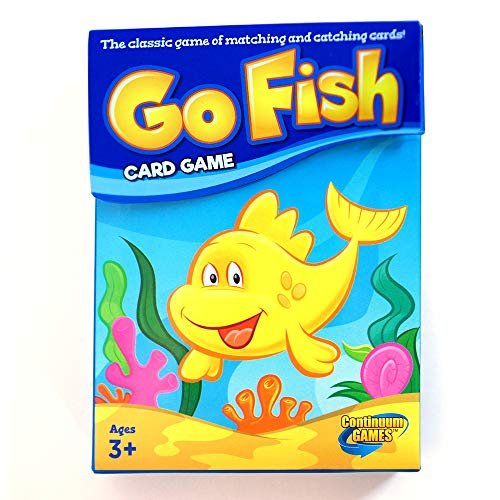
Go Fish is a foundational card game that I swear by for young children, and this particular version from Continuum Games brings such vibrant personality to the classic! The charming, ocean-themed illustrations on these cards immediately draw my kids in, making the experience even more delightful. It’s an incredibly simple yet profoundly effective way to teach turn-taking, memory, and basic number and set recognition, all while engaging in fun, verbal exchanges.
Key Features:
– FISH ARE FRIENDS NOT FOOD: The fun, creative designs make the classic game more engaging and visually appealing for young players.
– EDUCATIONAL: Explicitly designed to help young kids learn card-playing fundamentals like holding cards, dealing, numbers, and social etiquette.
– FAMILY TIME: Promotes closeness and teaches social interaction skills, encouraging communication and strategy among family members.
– CONTENTS: Includes a full deck of 48 cards and instructions for three game variations, enhancing replayability and learning opportunities.
– SPECIFICATIONS: FOR 3 TO 6 PLAYERS AGES 3 YEARS AND OLDER: Specifically designed for easy, frustration-free gameplay for very young children.
Performance & Real-World Use
I’ve found this Go Fish set to be incredibly valuable for my three-year-old. The visual clarity of the cards, combined with the large numbers and unique fish characters, makes identifying pairs much easier for them. It’s fantastic for practicing verbal requests (“Do you have a…?”) and for remembering who has asked for what, boosting memory skills. The non-frustrating nature of the game, even when you “go fish,” means smiles and giggles are far more common than tears. It’s a gentle, supportive introduction to card games.
Pros:
– Exceptional for Memory Recall: Constantly practicing “who has what” and “what have I asked for.”
– Boosts Verbal Communication: Encourages asking questions and responding clearly.
– Simple Rules: Extremely easy for even the youngest players to grasp quickly.
– Engaging Artwork: Fun, friendly designs keep kids visually interested.
Cons:
– Limited Strategic Depth: Primarily a memory and luck-based game.
– Cards Can Be Flimsy: Standard cardstock might not withstand aggressive shuffling over time.
– Requires Reading Numbers: Some versions might rely on number recognition that very young non-readers might not have mastered yet (though images help).
Who Should Buy This: Parents looking for a fantastic, foundational card game to introduce basic social interaction, number recognition (through matching), and memory skills to children aged 3-5. It’s perfect for gentle, frustration-free family fun.
My Verdict: This Go Fish set is a truly delightful and effective educational tool disguised as a game. Its clear focus on early learning skills, coupled with its charming design, makes it a frequent request in my home. It’s a gentle, encouraging game that builds confidence. I rate it an enthusiastic 8/10 for its educational value and pure, simple fun.
Comparison Insights
When looking at the top board games for kids under 6, certain titles stand out not just for their individual merits, but for how they stack up against each other in shaping different developmental pathways. For me, Connect 4, Regal Games Card Games (6 Classics), and Candy Land emerge as the undeniable champions, each offering a distinct flavor of play that caters to specific needs and stages within this crucial age group.
Connect 4 is the undisputed king of early strategy. Its genius lies in its simplicity – get four in a row. But as I’ve observed countless times, that simple goal opens up a world of forward-thinking, pattern recognition, and anticipating an opponent’s moves. It’s a two-player, purely strategic challenge, contrasting sharply with the communal, luck-based race of Candy Land. While Candy Land is about enjoying the journey and learning colors, Connect 4 is about focused, competitive problem-solving. It fosters a type of spatial reasoning that the card games, with their 2D matching, don’t directly target. Its quick setup and clear objective also mean less parental guidance is needed once the rules are grasped, fostering more independent play.
The Regal Games Card Games (6 Classics) set offers unparalleled versatility and skill diversity. Unlike the single-game focus of Candy Land or Connect 4, this bundle provides six distinct experiences, from memory in “Memory Match” to basic counting and social interaction in “Go Fish.” This breadth of play makes it incredibly adaptable to various moods and learning objectives. The larger card size is a crucial design choice, making it far more accessible for tiny hands than standard playing cards, a practical advantage over other single-game card sets. While it requires teaching multiple sets of rules, the portability and sheer range of skills it targets—memory, number recognition, social asking, and turn-taking—make it a comprehensive developmental powerhouse, often at a lower price point than individual board games. It teaches different “languages” of games, rather than perfecting one.
Candy Land, on the other hand, reigns supreme as the ultimate first board game. Its “no reading required” design and reliance on color recognition make it immediately accessible to the youngest players (3-4 years old), providing a gentle introduction to board game mechanics. Where Connect 4 demands strategy and the card games demand recall or asking, Candy Land is pure, unadulterated luck and following directions, making it a non-intimidating entry point. Its appeal lies in its colorful, imaginative journey rather than complex decision-making, which is exactly what young preschoolers need to build confidence and enjoy the communal aspect of play. It shines in its ability to build foundational skills like turn-taking and color identification without any pressure.
In essence, if you’re looking to introduce early strategy and spatial reasoning, Connect 4 is your go-to. For unmatched versatility and a broad spectrum of fundamental cognitive skills in a portable format, the Regal Card Games set is exceptional. And for the very first board game experience, focusing on pure enjoyment and basic rules, Candy Land is an iconic and indispensable choice. Each caters beautifully to different facets of early childhood development, proving that the “best” often depends on the specific goal you have in mind for your little gamer.
Final Verdict
Having put these games through countless play sessions, observing every giggle, frustrated sigh, and triumphant shout, I can confidently say that finding the “best” board game for kids under 6 isn’t about a single winner, but about building a well-rounded collection that grows with your child. Each game brings something unique to the table, and my absolute favorites are those that perfectly balance fun with crucial developmental milestones.
For the youngest adventurers, Candy Land remains an essential starting point. Its pure reliance on color matching and following a path creates a frustration-free entry into the world of board games, building confidence and teaching basic turn-taking without any need for reading. It’s truly magical to watch their eyes light up on the sweet journey.
As they mature slightly, usually around ages 4-5, the dynamic duo of Connect 4 and the Regal Games Card Games set become indispensable. Connect 4 is a powerhouse for introducing genuine, engaging strategic thinking and spatial reasoning. I’ve been consistently impressed by how quickly young minds begin to anticipate moves and plan ahead, even if it’s just one or two turns. It’s a competitive thrill that genuinely sharpens their cognitive skills. The Regal Games card set, with its six diverse classics, is the unsung hero for its incredible versatility and portability. From memory-boosting to social interaction, it offers a broad spectrum of learning in a compact, travel-friendly package, perfectly sized for little hands.
Other games like Let’s Go Fishin’ offer fantastic sensory and fine motor skill development, making it a lively choice for energetic play, while Sorry! introduces a spirited dash of “sweet revenge” and more complex rule-following as a bridge to elementary-aged games. And for those focused on gentle card play, the Continuum Games Go Fish provides excellent verbal and memory practice.
In summary, my top recommendations for families with kids under 6, in terms of foundational impact and pure enjoyment, are:
- For the Absolute Beginner (3-4 years old): Candy Land (for color recognition, turn-taking, pure fun).
- For Early Strategy & Spatial Reasoning (4-6 years old): Connect 4 (for critical thinking, pattern recognition).
- For Versatile Skill Development & Portability (4-6 years old): Regal Games Card Games (for memory, matching, social skills, travel).
- For Fine Motor Skills & Energetic Fun (3-5 years old): Let’s Go Fishin’.
- For Introducing Playful Competition & Advanced Rules (5-6 years old): Sorry!
- For Gentle Card Play & Verbal Skills (3-5 years old): Continuum Games Go Fish.
Choosing from these options ensures you’re not just buying a game, but investing in joyful learning experiences, cherished family moments, and tangible developmental growth. So go forth, embrace the enthusiastic chaos, and make some unforgettable memories around the game table!
Buying Guide
What to Look for in a Board Game for Under 6s
When you’re stepping into the world of board games with a preschooler or young elementary child, it’s not just about what catches their eye on the shelf; it’s about what truly fosters growth and keeps them engaged without frustration. From my experience, the key lies in simplicity, visual appeal, and clear objectives. Look for games with minimal text, relying instead on colors, shapes, and pictures to guide gameplay. This immediately opens the door for non-readers. Durability of components is also paramount; little hands can be enthusiastic, so sturdy pieces that can withstand a bit of rough-and-tumble play are a lifesaver. Finally, consider the game’s length. Shorter playtimes (10-20 minutes) are often best for maintaining attention spans and avoiding meltdowns.
Balancing Fun and Learning
The best games for this age group are masterfully disguised educational tools. My favorite picks always manage to weave in learning without making it feel like homework. Look for games that naturally integrate concepts like color recognition (Candy Land), number recognition or counting (Sorry!, Go Fish), matching (card games), fine motor skills (Let’s Go Fishin’), and early strategic thinking (Connect 4). The “fun” element ensures they’re eager to play, while the inherent mechanics subtly reinforce crucial developmental skills. It’s about choosing games where the learning happens organically through play, not through explicit instruction. When a game achieves this balance, it becomes a powerful, positive force in their early development.
Durability and Component Quality
As a hands-on tester in a busy household, I can’t stress enough the importance of well-made components. Board games for young children are going to be handled, dropped, chewed on (sometimes!), and generally put through their paces. Look for thick cardboard, chunky plastic pieces, and robust game boards. Flimsy cards or thin game boards will quickly show wear and tear, leading to tears from frustrated children (and parents!). While some card games inherently have thinner components, the “Big Cards for Little Hands” in the Regal Games set are a prime example of thoughtful design for this age group. Investing in quality upfront often means the game will last through multiple children and countless play sessions.
Playing Together: Tips for Parents
Playing board games with kids under six is as much about the experience as it is about the game itself. My biggest tip is to embrace the process, not just the outcome. Be patient and flexible; sometimes, rules need to be bent, or a game needs to be paused. Focus on the social interaction: practicing turn-taking, learning to win gracefully, and losing with resilience are huge lessons. Verbalize your own thoughts during play (“Hmm, I think I’ll move here to try and block you!”), which helps them understand strategic thinking. Most importantly, make it fun! Your enthusiasm is contagious. Celebrate their small victories, offer gentle encouragement during challenges, and always end on a positive note, even if it means not finishing a game or inventing new rules. The goal is to build a positive association with games and family time.
FAQ Section
Q1: At what age should I start introducing board games to my child?
A: You can start introducing very simple board games or card games as early as 2.5 to 3 years old. Games like Candy Land or simple matching card games are fantastic for teaching basic concepts like colors, turn-taking, and following a path. Focus on games with clear visual cues and minimal rules to build a positive foundation for play.
Q2: How do I handle meltdowns when my child loses a game?
A: Meltdowns are a normal part of learning to lose! Focus on sportsmanship by modeling it yourself. Acknowledge their feelings, “It’s okay to feel sad when you lose.” Emphasize that it’s just a game and the fun is in playing together. Sometimes, changing the rule to “everyone wins” or ending the game before a clear winner is declared can help ease frustration in the early stages.
Q3: What if my child struggles with the rules or loses interest quickly?
A: Keep game sessions short, especially at first, maybe just 10-15 minutes. Simplify rules if needed; you can always add complexity later. If interest wanes, don’t force it. Try a different game or activity. Sometimes, playing in teams with an adult can provide support and keep them engaged.
Q4: Are screen-based games better for learning than physical board games?
A: While screen games can offer educational benefits, physical board games provide unique advantages. They foster direct social interaction, face-to-face communication, and develop fine motor skills through manipulating pieces. They also encourage longer attention spans and teach tangible skills like counting and matching in a non-digital format.
Q5: How many players are ideal for games with kids under 6?
A: For this age group, 2-4 players are often ideal. Too many players can lead to long waiting times between turns, which can cause boredom and disengagement. Two-player games like Connect 4 are fantastic for focused interaction, while a few more players can enhance social skills like sharing and group dynamics.
Q6: What skills do board games primarily teach kids under 6?
A: Board games for this age group are powerhouses for development! They teach turn-taking, sharing, color and number recognition, counting, fine motor skills, hand-eye coordination, problem-solving, strategic thinking (even rudimentary), memory recall, and emotional regulation (managing wins and losses).
Q7: Should I always let my child win to encourage them?
A: While it’s tempting to let them win, it’s more beneficial in the long run to model good sportsmanship and let them experience both winning and losing. You can offer gentle assistance, but let the game unfold naturally. The key is to celebrate the effort and participation, not just the outcome, so winning isn’t the only source of joy.
Q8: How do I make game night fun for a mixed age group (e.g., a 4-year-old and an 8-year-old)?
A: Choose games with simple core mechanics but enough depth for older players to enjoy, like Sorry! or certain card games where strategy can vary by age. Team play is also a great option, pairing an older child with a younger one. Alternatively, consider playing two different games simultaneously or having designated “big kid” and “little kid” turns.
Q9: What about small pieces in games? Are they a choking hazard?
A: Yes, definitely consider choking hazards. Always check the manufacturer’s recommended age for a game, as this often relates to small parts. Supervise play closely, especially with children under three or those who still put objects in their mouths. Store games with small pieces securely out of reach when not in use.
Q10: How can I keep my child engaged if a game is taking too long?
A: If a game is dragging, consider setting a time limit or playing for a certain number of rounds instead of until the end. You can also offer “help cards” or special moves to speed things up. Sometimes, making silly noises or adding a fun, non-game-related element can re-engage them. It’s always better to stop before frustration sets in.
chessmantras.com is a participant in the Amazon Services LLC Associates Program, an affiliate advertising program. As an Amazon Associate, we earn from qualifying purchases made through our links.