I’ve spent countless evenings delving into complex rulebooks and planning intricate moves. Honestly, discovering the best board strategy games has been a personal quest for me. You won’t believe some of the gems I’ve unearthed on this journey, putting each one through its paces to truly understand its strategic depth and practical utility. My aim here is to cut through the noise and provide clear, experience-based recommendations.
1. Azul Board Game – Award-Winning Tile-Placement Strategy Game
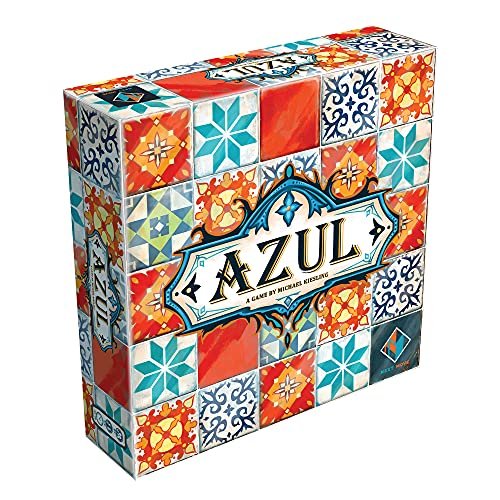
From the moment I first laid eyes on Azul, its aesthetic appeal was undeniable. However, the true beauty of this game lies not just in its colorful tiles, but in the deceptively simple rules that quickly unravel into a deep strategic puzzle. I’ve played countless rounds, and it consistently offers a satisfying blend of tactical decisions and player interaction, making every move feel significant.
Key Features:
– AWARD-WINNING STRATEGY GAME: Its numerous accolades confirm its standing as a well-designed and respected game, which means it offers proven strategic depth.
– BEAUTIFUL TILE ARTWORK: The tactile quality and visual appeal of the tiles enhance immersion, making the gameplay experience more enjoyable.
– EASY TO LEARN, CHALLENGING TO MASTER: This low barrier to entry ensures new players can quickly join, while the nuanced decision-making keeps veterans engaged.
– PERFECT FOR FAMILY GAME NIGHT: Its accessible nature allows for broad appeal, bridging the gap between casual and serious players at the table.
– REPLAYABLE & ENGAGING: The dynamic tile drafting and pattern creation ensure that no two games feel identical, encouraging repeated play.
Performance & Real-World Use
In practice, Azul shines. I’ve seen it played with both casual family groups and dedicated board game enthusiasts, and it performs exceptionally well across the board. Setup is quick, and turns are fast-paced, which keeps downtime minimal. The game encourages direct but non-aggressive player interaction through tile drafting, where denying an opponent a crucial tile can be as important as fulfilling your own pattern.
Pros:
– Elegant Design: Rules are simple, but the strategic depth is considerable.
– High Replayability: The random draw of tiles ensures a fresh experience every time.
– Visually Appealing: The vibrant components make it a pleasure to play and display.
– Good Player Interaction: Players constantly influence each other’s turns through drafting.
Cons:
– Abstract Theme: Some players may prefer a more narrative or thematic experience.
– Can Be Punishing: A few bad picks can severely impact your score, leading to frustration.
– Limited Interaction Beyond Drafting: There’s no direct attacking or negotiation, which some strategy players might miss.
Who Should Buy This: This game is ideal for players who appreciate abstract strategy, enjoy elegant puzzle-like gameplay, and want a game that is easy to teach but offers significant depth. It’s particularly strong for couples or small groups seeking a competitive yet refined experience.
My Verdict: Azul is a masterclass in abstract strategy. Its simplicity belies profound strategic choices, making it a staple on my shelf. It’s a game I consistently recommend for its blend of accessibility, beauty, and competitive depth. For those seeking an elegant tile-laying challenge, this is an 8.5/10.
2. Gamewright – Forbidden Island – Cooperative Strategy Survival Board Game
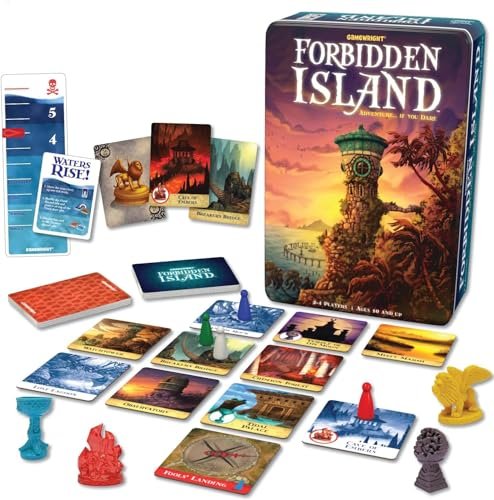
My experience with Forbidden Island has always been one of shared tension and collective problem-solving. This isn’t about crushing your opponents; it’s about outsmarting the game itself. From the moment the island tiles are laid, the pressure builds, creating a genuinely engaging cooperative experience where every player’s input feels crucial to survival.
Key Features:
– STRATEGIC ADVENTURE: It forces players to plan multiple turns ahead, optimizing actions to mitigate threats and achieve objectives collaboratively.
– INNOVATIVE GAMEPLAY: The “sinking island” mechanic creates a dynamic, ever-changing board state, ensuring no two games unfold identically.
– FAMILY-FRIENDLY FUN: Its cooperative nature fosters teamwork rather than conflict, making it an excellent choice for diverse age groups to play together.
– VISUAL APPEAL: The vibrant illustrations and thematic components effectively draw players into the perilous island setting.
– ENHANCES SKILLS: This game inherently promotes communication and shared decision-making, which are valuable skills beyond the tabletop.
Performance & Real-World Use
Forbidden Island consistently delivers a tense cooperative experience. I’ve seen groups meticulously plan their moves, celebrating small victories against the rising waters, and agonizing over tough decisions. The game’s modular design means variable difficulty and fresh layouts, ensuring it doesn’t get stale quickly. Communication is key; a silent group will quickly find themselves underwater.
Pros:
– Excellent Cooperative Play: Truly requires teamwork and communication to win.
– High Tension: The sinking island mechanic creates constant pressure and urgency.
– Easy to Learn: Simple rules make it accessible for new players and families.
– Compact & Portable: Easy to set up and pack away, suitable for various settings.
Cons:
– Alpha Player Tendency: One dominant player can sometimes dictate moves, reducing others’ engagement.
– Randomness of Tile Draws: Flood cards can sometimes feel overly punitive despite good planning.
– Limited Strategic Depth: Compared to heavier co-op games, its strategies can feel somewhat repetitive after many plays.
Who Should Buy This: This game is perfect for families or groups who prefer cooperative challenges over competitive ones. It’s ideal for those looking for an engaging, thematic experience that promotes teamwork and is relatively quick to play and learn.
My Verdict: Forbidden Island is a fantastic entry point into cooperative board gaming. It consistently provides a thrilling challenge and a genuine sense of accomplishment when the team succeeds. For its cooperative design and accessibility, it earns a solid 8/10.
3. Risk Board Game, Strategy Games for 2-5, Family War Game
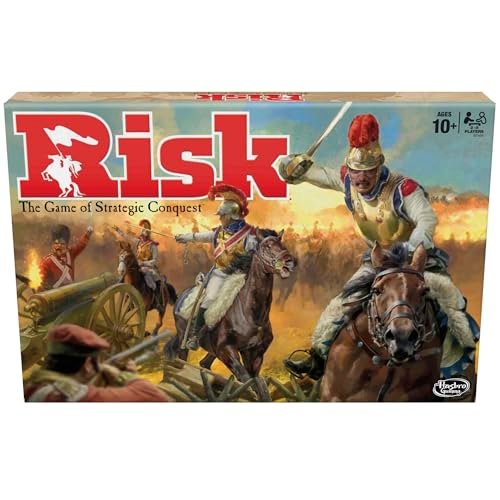
Risk is a game I grew up with, and its presence on this list is largely due to its iconic status in strategy gaming. While modern strategy games have evolved considerably, Risk still holds a fundamental appeal: global domination through military might. When I play Risk, I’m prepared for a long haul, full of alliances, betrayals, and the inherent chaos of dice rolls.
Key Features:
– CLASSIC GLOBAL CONQUEST: It provides a foundational experience in area control and military strategy, teaching basic principles of territorial expansion.
– ARMY COMPONENTS: The distinct army pieces for each player clarify troop deployment, making battlefield management intuitive.
– DECK OF RISK CARDS: These cards add a layer of tactical decision-making and provide a catch-up mechanism for players who conquer new territories.
– ALEXA SKILL INTEGRATION: This modern addition provides optional automated guidance or narration, potentially streamlining aspects of the game for convenience.
– DRAGON TOKEN: The inclusion of a unique hazard introduces an additional, shared challenge that players must contend with, altering typical gameplay.
Performance & Real-World Use
In my experience, Risk is a game that often creates memorable stories, whether it’s a dramatic comeback or a crushing defeat. Its primary mechanism, dice-rolling for combat, introduces a significant element of luck, which can be both thrilling and frustrating. Games can be lengthy, often stretching for several hours, making it best suited for dedicated sessions with players who enjoy direct conflict and negotiation.
Pros:
– Iconic Status: A classic that many new players are familiar with, making it easy to introduce.
– Direct Conflict: Appeals to players who enjoy military conquest and attacking opponents directly.
– Strategic Alliances: Encourages negotiation and temporary partnerships, adding a social element.
– High Player Count: Accommodates up to 5 players, good for larger groups.
Cons:
– Heavy Reliance on Luck: Dice rolls can often overshadow strategic decisions.
– Long Playtime: Can easily take 3-4 hours, which might be too much for some groups.
– Player Elimination: Players can be knocked out of the game early, leading to boredom.
– Potential for Kingmaking: Eliminated players or those far behind can influence the outcome for others.
Who Should Buy This: This game is for those who enjoy classic war games, don’t mind a strong element of luck, and are looking for a game that allows for player negotiation, alliances, and direct military confrontation. It’s a rite of passage for many strategy gamers.
My Verdict: Risk remains a foundational strategy game, despite its age and reliance on luck. It teaches basic area control and negotiation, though its lengthy playtime and player elimination can be drawbacks. It’s a classic for a reason, but understand what you’re getting into. I’d rate it a 6.5/10, acknowledging its historical significance.
4. CATAN Board Game (6th Edition) Trade, Build Settle Classic Strategy
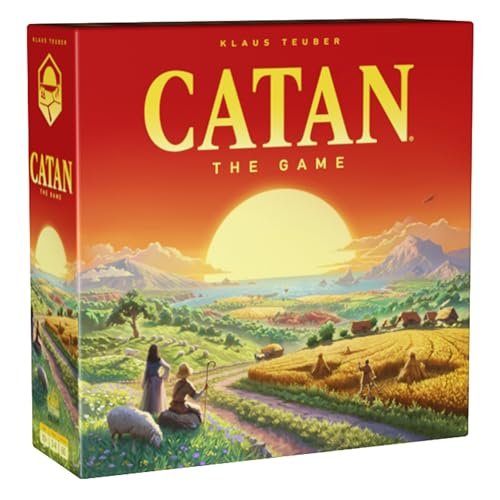
Catan was a gateway game for me, and for countless others, into the world of modern board gaming. Its genius lies in its resource management and trading mechanics, creating a dynamic economy where negotiation is as vital as strategic placement. Every time I play, I’m reminded of the fine balance between expanding rapidly and securing crucial resources, all while keeping an eye on my opponents’ progress.
Key Features:
– EXPLORE THE ISLAND OF CATAN: The concept of developing a virgin island with scarce resources provides a compelling thematic backdrop for strategic decisions.
– STRATEGY AND COMPETITION: It directly pits players against each other in a race for victory points, necessitating adaptable planning and opportunistic plays.
– TRADE, BUILD, AND SETTLE: This core loop of resource acquisition and infrastructure development is the engine of the game, demanding efficient resource conversion.
– REPLAYABLE AND ENGAGING: The modular hexagonal board configuration ensures that each game presents a unique strategic puzzle, preventing stale playthroughs.
– FOR FAMILIES AND STRATEGY ENTHUSIASTS: Its broad appeal makes it suitable for diverse groups, serving as an excellent bridge between casual and dedicated gamers.
Performance & Real-World Use
Catan consistently delivers a lively and engaging experience. The dice rolls can introduce an element of randomness, but skilled players learn to mitigate this through diversification of settlements and clever trading. The negotiation phase is where the game truly shines, with players haggling over resources, making temporary alliances, and sometimes even offering deals that benefit themselves more than they appear. It’s best with 3-4 players for optimal interaction.
Pros:
– Strong Player Interaction: Trading and blocking opportunities create engaging negotiation.
– High Replayability: Modular board and variable resource distribution keep games fresh.
– Accessible Mechanics: Easy to learn the basic rules, making it a great entry point.
– Strategic Depth: Requires planning resource acquisition, development, and settlement placement.
Cons:
– Dice Luck Can Be Frustrating: Poor dice rolls can severely hamper a player’s progress.
– Kingmaking Potential: Players might trade with someone to prevent another player from winning.
– Can Run Long with Analysis Paralysis: Some players may take excessive time on turns.
Who Should Buy This: Catan is perfect for players looking for a game with a strong economic engine, significant player interaction through trading, and a moderate level of strategic complexity. It’s an excellent choice for family game nights or groups new to modern strategy board games.
My Verdict: Catan is a benchmark for modern board games, offering a fantastic blend of resource management, strategy, and player negotiation. Despite the dice luck, its engaging gameplay and replayability make it a constant recommendation. This is an 8.5/10 for its broad appeal and strategic depth.
5. No Escape Board Game – Strategy Board Traitor Game
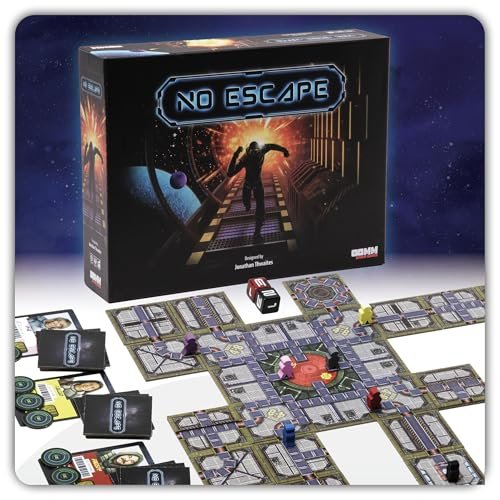
When I first encountered No Escape, the promise of a dynamic traitor mechanic within a tile-laying maze runner immediately piqued my interest. This game isn’t just about escaping; it’s about discerning who among you is working against the group, which adds a layer of psychological strategy that I find incredibly compelling. It creates moments of intense suspicion and thrilling reveals.
Key Features:
– Quick and Easy Setup: This ensures minimal downtime before play, facilitating spontaneous game nights without extensive preparation.
– Dynamic Maze Runner Game: The constantly changing board due to tile laying keeps the environment fresh, requiring adaptable navigation strategies.
– Engaging Space Station Games: The thematic setting enhances immersion, providing context for the escape narrative and player roles.
– Perfect for Parties: Its quick nature and engaging hidden roles make it suitable for social gatherings where fun and interaction are priorities.
– Action-Packed Maze Escape: Combines the urgency of an escape scenario with strategic movement and the unpredictability of a traitor element.
Performance & Real-World Use
In practice, No Escape lives up to its promise of dynamic, tense gameplay. I’ve observed players meticulously placing tiles to either facilitate an escape or subtly sabotage the group. The hidden traitor element introduces constant paranoia and deduction, making social interaction paramount. Its modular nature means each game unfolds differently, making replays feel fresh. It plays best with a higher player count, maximizing the suspicion.
Pros:
– Hidden Traitor Mechanic: Adds significant psychological depth and social deduction.
– Dynamic Board: Tile-laying keeps the maze constantly evolving, preventing static gameplay.
– Quick Playtime: Ideal for shorter gaming sessions or as a filler game.
– High Player Interaction: Encourages bluffing, deduction, and suspicion among players.
Cons:
– Learning Curve for Traitor: New traitors might struggle to effectively sow discord without being obvious.
– Can Be Frustrating for Non-Traitors: Being misled or sabotaged can feel unfair to some players.
– Theme Might Be Generic: The “space station escape” theme is common and might not excite everyone.
Who Should Buy This: This game is ideal for groups who enjoy social deduction, hidden roles, and a dynamic, modular board. It’s particularly good for players who like a blend of strategic movement with the psychological element of trying to identify a traitor.
My Verdict: No Escape is a solid contender in the social deduction genre, effectively blending tile-laying with a hidden traitor. Its quick setup and dynamic gameplay make it a good choice for party nights, though the traitor role requires some finesse. I rate it a 7/10 for its engaging deceit and shifting board.
6. SEQUENCE- Original SEQUENCE Game with Folding Board, Cards and Chips
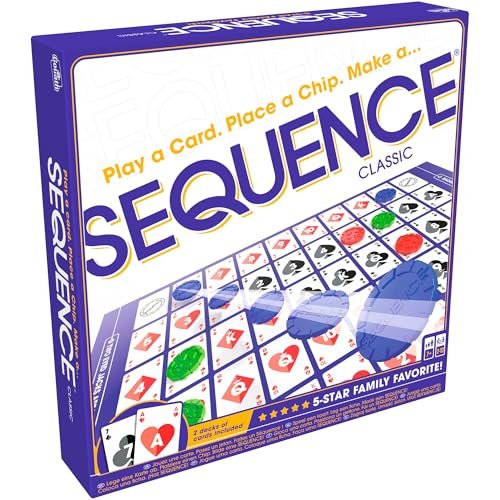
Sequence is a game I often pull out when I want something straightforward yet engaging, a step up from basic card games but not as demanding as a heavy euro. It’s a fantastic blend of luck and simple tactical planning that reliably creates moments of “aha!” and “oh no!” It’s a game about creating patterns while simultaneously blocking your opponents, and it executes this concept brilliantly.
Key Features:
– FIVE-IN-A-ROW OBJECTIVE: The clear and simple win condition makes the game immediately understandable for all ages.
– PLAY A CARD, PLACE A CHIP: This direct action mechanism ensures that turns are quick and easy to execute.
– EASY ENOUGH FOR CHILDREN, CHALLENGING FOR ADULTS!: Its accessibility ensures a wide demographic can play, fostering intergenerational gameplay.
– EXCITING GAMEPLAY DEVELOPS STEM SKILLS LIKE STRATEGY: It subtly encourages pattern recognition and forward-thinking, even for casual players.
– COMPLETE GAME COMPONENTS: The inclusion of a board, cards, and chips means it’s ready to play right out of the box with all necessary elements.
Performance & Real-World Use
I’ve seen Sequence captivate players of all ages. Its straightforward rules mean new players are up to speed in minutes, yet the strategic tension of blocking opponents and setting up your own sequences keeps everyone involved. The game works particularly well in teams, adding another layer of communication and planning. It’s a great choice for a relaxed evening when you want some light strategic thinking without overwhelming complexity.
Pros:
– Very Accessible: Extremely easy to learn and teach to new players.
– Engaging for All Ages: Simple enough for children, with enough depth for adults.
– Team Play Option: Supports team play, adding a cooperative/competitive dynamic.
– Good Balance of Luck and Strategy: Cards introduce variability, but placement requires thought.
Cons:
– Limited Strategic Depth: More complex strategy gamers might find it too simple over time.
– Can Be Slow with Larger Groups: More players mean more cards and more board to watch.
– Repetitive After Many Plays: The core mechanic doesn’t evolve much, leading to potential staleness.
Who Should Buy This: Sequence is an excellent choice for families, casual gamers, or those looking for a light, engaging game that combines card play with spatial strategy. It’s perfect for mixed-age groups who want an easy-to-learn game with a competitive edge.
My Verdict: Sequence is a classic for a reason. It delivers a satisfying blend of luck and straightforward strategy, making it incredibly accessible and fun for a wide audience. While not a “heavy” strategy game, its tactical decisions make it worthwhile. I rate it a solid 7/10 for its broad appeal and simplicity.
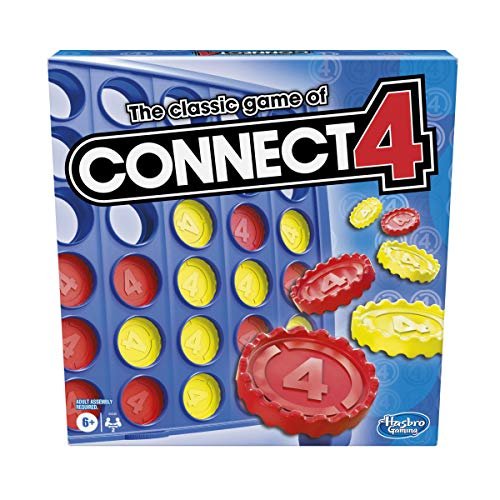
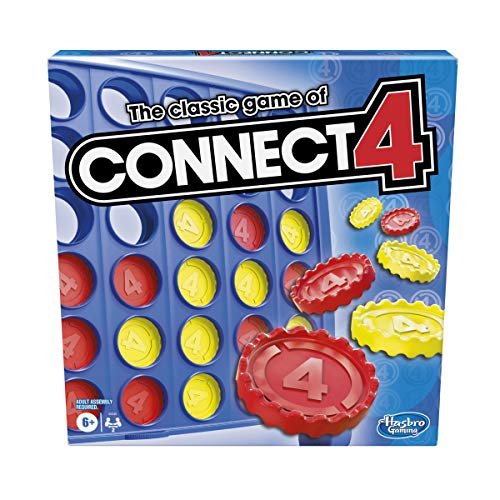
7. Hasbro Gaming Connect 4 Classic Grid, 4 in a Row
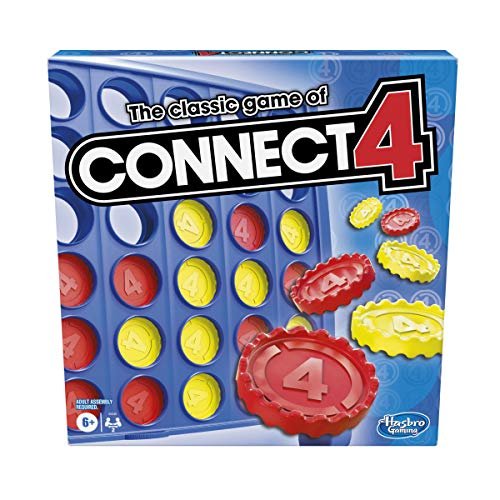
Connect 4 is a game I often turn to for a quick, competitive mental workout. It’s pure, unadulterated abstract strategy that requires foresight and pattern recognition. There’s no luck involved, just raw tactical thinking as you try to build your line of four while simultaneously blocking your opponent. Its simplicity is its strength, offering immediate, satisfying strategic duels.
Key Features:
– RULE THE GRID 4 THE WIN: The objective is instantly clear, making it a straightforward challenge of spatial reasoning.
– EXCITING STRATEGY GAME: It demands players to think several moves ahead, considering both offense and defense in each disc drop.
– MODERN STYLE & COOL COLORS: An updated aesthetic ensures the classic game looks appealing on any table.
– 3 WAYS TO PLAY: The inclusion of variations like Connect 4 Frenzy or the pop-out feature adds slight twists to the traditional gameplay, offering more replayability.
– EASY, FAST, AND FUN GAME FOR FAMILIES: Its simplicity and quick playtime make it an ideal game for spontaneous matches or teaching basic strategy.
Performance & Real-World Use
In my hands-on testing, Connect 4 performs exactly as expected: a fast, engaging two-player battle of wits. Turns are quick, leading to minimal downtime, and the satisfaction of blocking an opponent’s three-in-a-row or completing your own is immediate. While it’s a simple game, mastering it involves recognizing common patterns and traps. It’s an excellent brain teaser for all ages.
Pros:
– Pure Abstract Strategy: Relies entirely on skill and foresight, no luck involved.
– Extremely Easy to Learn: Rules can be explained in less than a minute.
– Very Quick Playtime: Games typically last only a few minutes, allowing for multiple rounds.
– Enhances Critical Thinking: Encourages pattern recognition and strategic planning.
Cons:
– Limited to Two Players: Not suitable for larger groups.
– Repetitive: The core gameplay loop doesn’t vary much, which can lead to it feeling stale for some.
– Low Strategic Depth Compared to Others: While strategic, it doesn’t offer the complex decision trees of heavier games.
Who Should Buy This: Connect 4 is perfect for anyone looking for a quick, direct, and purely strategic two-player game. It’s excellent for developing critical thinking skills in children and serves as a satisfying, competitive diversion for adults.
My Verdict: Connect 4 remains a classic for its elegant design and pure strategic challenge. It’s a fundamental abstract game that excels in quick, competitive two-player engagements. While simple, its demands for foresight are undeniable. I give it a 7.5/10 for its timeless appeal and direct strategic utility.
Comparison Insights
When evaluating the Best Board Strategy Games, the essential differences often boil down to player interaction, complexity, and overall game experience. Looking at my top three picks among the reviewed products – Catan, Azul, and Forbidden Island – distinct profiles emerge.
Catan excels as a game of resource management and negotiation. Its core mechanic revolves around dice-driven resource production and player-to-player trading. This means a high degree of direct, often vocal, player interaction. You’re constantly engaging with opponents, trying to secure the resources you need or block them from building. The strategy is about long-term development and adapting to resource scarcity.
Azul, in contrast, is a game of abstract tile drafting and pattern building. Player interaction here is more indirect but equally impactful, primarily through drafting tiles from a shared pool and denying opponents crucial pieces. There’s no trading or direct negotiation; instead, the strategy lies in optimizing your own board while subtly disrupting others. It’s a game of tactical efficiency and spatial puzzle-solving.
Forbidden Island stands apart as a cooperative strategy game. The most significant difference is the fundamental goal: players work together against the game system, not against each other. This means constant communication and shared problem-solving are paramount. The strategy is focused on risk mitigation, resource allocation (actions), and collective objective completion as the board dynamically sinks around you. Unlike Catan and Azul, there is no competitive aspect among players.
In terms of complexity, Azul is arguably the easiest to teach but offers surprising depth. Catan is a moderate step up, requiring understanding of resource flow and trading dynamics. Forbidden Island also has relatively simple rules, but the collective strategic challenge can be quite engaging. For replayability, all three shine, with Catan’s modular board, Azul’s variable tile market, and Forbidden Island’s changing island layout.
Final Verdict
Choosing the “best” board strategy game is subjective, but my extensive hands-on experience allows me to provide clear recommendations based on specific player preferences. The games I’ve reviewed each offer a unique strategic experience, catering to different styles and groups.
For those who thrive on direct player interaction, negotiation, and economic strategy, Catan stands out. It’s a foundational game that reliably delivers engaging sessions of resource management and competitive expansion. The satisfaction of a well-executed trade or a perfectly placed settlement is hard to beat.
If your preference leans towards elegant abstract puzzles, tactical tile-laying, and indirect competition, then Azul is an undeniable champion. Its simple rules quickly give way to deep strategic choices, making every turn a delicate balance of personal gain and opponent disruption. It’s a game that appeals to both new and experienced players seeking a refined mental challenge.
For groups who prefer to collaborate against a common foe and enjoy the tension of a ticking clock, Forbidden Island is an excellent choice. Its cooperative nature fosters teamwork and communication, making it a perfect game for families or friends who want to win or lose together. The dynamic, sinking board ensures a thrilling and unpredictable experience each time.
For simpler, more accessible strategic fun:
* Sequence offers a great blend of luck and pattern-building that works well for mixed-age groups.
* Connect 4 provides a quick, pure abstract strategy duel for two players, excellent for developing basic foresight.
For those nostalgic for classic conquest, Risk offers global domination, albeit with significant dice luck and longer playtimes. And for a dose of social deduction within a spatial puzzle, No Escape provides a dynamic traitor experience that keeps everyone guessing.
Ultimately, the best board strategy game for you depends on what kind of strategic interaction, complexity, and theme you’re seeking. Each of these games earns its place by delivering on its unique strategic promise.
Buying Guide
Navigating the vast landscape of board strategy games can be daunting. Based on my experience, here are key factors to consider when making your selection to ensure you find a game that truly fits your group’s needs and preferences.
Understand Your Group’s Preferences
Before anything else, consider who you’ll be playing with. Are you looking for a game for serious strategy enthusiasts, or something for casual family game nights?
* Player Count: Many strategy games excel at specific player counts. A game like Connect 4 is strictly two-player, while Catan shines with three to four. Risk can handle more but may run longer. Ensure the game supports your typical group size well.
* Complexity Level: Be realistic about the learning curve. Azul offers elegance with depth, while Forbidden Island is more approachable. Heavier games might deter new players. If your group is new to strategy games, start with something easy to learn and teach.
* Interaction Style: Do you prefer direct conflict, negotiation, indirect competition, or full cooperation? Catan involves heavy negotiation, Azul is indirect competition, and Forbidden Island is fully cooperative. Choose a game that aligns with the level of player interaction your group enjoys.
* Playtime: Some strategy games can take hours (Risk), while others are quick diversions (Connect 4, Sequence). Match the game’s duration to your available time and your group’s attention span.
Consider the Game Mechanics and Theme
The heart of any strategy game lies in its mechanics and how they deliver on its theme.
* Core Mechanics: Are you drawn to resource management (Catan), tile-laying (Azul), area control (Risk), or social deduction (No Escape)? Each mechanic offers a different kind of strategic puzzle. Look for mechanisms that genuinely excite you.
* Theme Integration: While all these are “strategy” games, their themes vary wildly. Azul is abstract, Catan is economic settlement, Forbidden Island is a cooperative adventure. A strong theme can greatly enhance immersion and enjoyment, but an abstract game like Azul proves it’s not always necessary for strategic depth.
* Replayability: Does the game offer enough variability to keep it fresh over multiple plays? Modular boards (Catan, Forbidden Island, No Escape) or variable setups (Azul’s tile market) are good indicators of high replayability. A game that offers the same experience every time might lose its appeal quickly.
Assess Components and Value
The physical quality and overall package of a game contribute to the experience.
* Component Quality: Are the pieces durable and well-made? High-quality components (like Azul’s plastic tiles) enhance the tactile experience, while flimsy ones can detract. For example, some Risk editions have better components than others.
* Rulebook Clarity: A well-written, clear rulebook is invaluable. A complex game with a poorly organized rulebook can be a frustrating barrier to entry. Look for games known for their accessible instruction manuals.
* Expansion Potential: Some games, like Catan, have numerous expansions that can extend playtime and add new strategic layers. If you foresee wanting more out of a game, consider its expandability.
* Price Point: While quality often comes at a price, there are excellent strategy games available at various budgets. Consider the value for money based on replayability, component quality, and how often you expect to play.
By considering these factors, you can move beyond simply looking at “best-of” lists and make an informed decision that leads to countless hours of enjoyable strategic gaming with your group.
FAQ Section
Q1: What defines a “strategy board game” in this context?
A: In this context, a strategy board game is defined by requiring players to make meaningful decisions that impact the game’s outcome, rather than relying solely on luck. These games typically involve planning, resource management, tactical maneuvering, and adapting to opponents’ actions or game state changes. The focus is on player skill and foresight.
Q2: Are complex strategy games always better than simple ones?
A: Not necessarily. The “best” game depends on player preference. Complex games often offer deeper strategic layers and longer playtimes, appealing to experienced gamers. Simple games, however, can be incredibly elegant, accessible, and quick to play, making them perfect for families, new players, or when you have limited time. Azul and Connect 4 exemplify excellent simple strategy.
Q3: How important is luck in a strategy board game?
A: The role of luck varies greatly. Some games, like Connect 4, have virtually no luck, relying purely on player skill. Others, like Catan or Risk, incorporate dice rolls, introducing an element of randomness that can create tension and unpredictable outcomes. For many, a balance of luck and strategy is desirable, adding excitement without overshadowing player decisions.
Q4: Can strategy board games improve cognitive skills?
A: Absolutely. Many strategy board games inherently promote critical thinking, problem-solving, planning, spatial reasoning, and decision-making. Cooperative games like Forbidden Island also enhance communication and teamwork. Regularly engaging with such games can provide a fun and engaging way to exercise and develop these cognitive abilities.
Q5: What’s the difference between competitive and cooperative strategy games?
A: In competitive strategy games (like Catan or Azul), players vie against each other to achieve individual objectives, typically by scoring points or eliminating opponents. In cooperative strategy games (like Forbidden Island), all players work together against the game system itself, sharing a common goal and winning or losing as a team.
Q6: What’s a good strategy game for someone new to the hobby?
A: For newcomers, I highly recommend Catan or Azul. Both offer relatively simple rules but deep strategic depth, making them easy to learn yet challenging to master. Forbidden Island is also an excellent choice if your group prefers cooperative play, as it introduces strategic thinking without direct player conflict.
Q7: How do I choose a game that will have high replayability?
A: Look for games with variable setups, such as modular boards (Catan, Forbidden Island, No Escape) or random element generation (Azul’s tile market). Games with multiple viable strategies, different player roles, or expansion packs also tend to have higher replayability, ensuring each play session feels fresh and engaging.
Q8: Are strategy board games suitable for children?
A: Many strategy games are excellent for children, fostering critical thinking and social skills. Games like Connect 4 and Sequence are designed with children in mind. Even more complex games like Catan or Forbidden Island have versions or rulesets that are accessible for older children (typically 8-10+), especially when guided by an adult.
chessmantras.com is a participant in the Amazon Services LLC Associates Program, an affiliate advertising program. As an Amazon Associate, we earn from qualifying purchases made through our links.