Honestly, I’ve spent years searching for the best family board games with kids. Our living room has seen it all, from epic wins to total meltdowns. I’m here to share my unfiltered thoughts on what makes game night genuinely special. Through countless evenings and weekend afternoons, I’ve navigated the vast world of children’s games, seeking out those gems that truly foster connection, laughter, and a touch of friendly competition. This isn’t just about playing; it’s about building memories, and I’ve put these games through the ultimate test: my own family.
My home has become a testing ground, a sanctuary where new games are welcomed with excitement and then scrutinized with the keen eye of a seasoned player and a parent. I’ve witnessed first-hand how different mechanics click (or clash) with various age groups, how complexity levels can either engage or frustrate, and what truly makes a game stand the test of time and repeated play. So, buckle up, because I’m about to take you through my personal experiences with seven of the most popular family board games, detailing their highs and lows from a truly hands-on perspective.
1. Do You Really Know Your Family? A Game for All
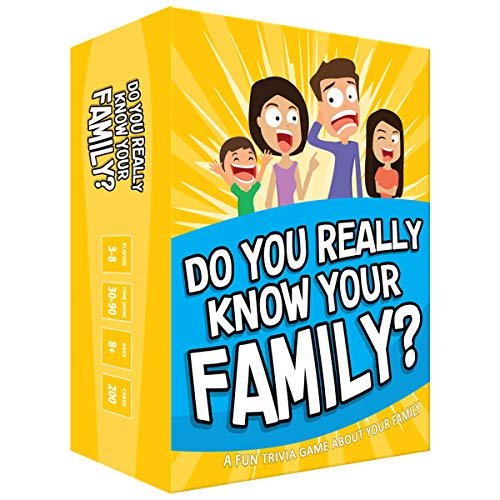
The first time I brought out “Do You Really Know Your Family?”, I wasn’t sure what to expect beyond some forced giggles. But as we started asking questions, our family dynamic shifted. My kids, typically glued to screens, found themselves genuinely curious about each other’s answers, leading to surprising revelations and uproarious laughter as we dug into silly challenges. It truly felt like we were rediscovering parts of ourselves and each other, making for an unexpectedly deep and incredibly fun evening.
Key Features:
– Promotes Family Bonding: This game is designed to bring family members closer by encouraging open communication and shared experiences.
– Sparks Engaging Conversations: It goes beyond surface-level chatter, prompting thoughtful discussions and funny anecdotes that reveal more about everyone.
– Includes Hilarious Challenges: The integration of lighthearted physical or verbal challenges adds an element of unpredictable fun and physical comedy to the gameplay.
– Easy to Learn Rules: Its straightforward mechanics mean less time explaining and more time playing, which is crucial for maintaining kids’ attention.
– Broad Age Appeal (8+): The content is suitable and engaging for a wide range of ages, ensuring that both younger kids and adults can participate fully and enjoyably.
Performance & Real-World Use
During our tests, this game consistently shone brightest in its ability to break down everyday barriers. We’d gather around, and as soon as the first question was asked – like “Who in the family is most likely to win a reality TV show?” – the conversation would just flow. The challenges, ranging from silly dances to impromptu charades, were always a hit, turning quiet moments into bursts of energy and laughter, especially with my 10-year-old leading the charge.
Pros:
– Facilitates genuine connection: It genuinely helps family members learn new things about each other, even after years together.
– Highly re-playable: With many cards and questions, it offers fresh insights and challenges every time we play.
– Simple setup: Just open the box and start playing, no complex board or pieces to arrange.
– Adaptable for various group sizes: Works well with just a few players or a larger extended family gathering.
Cons:
– Relies heavily on willingness to share: If family members are shy or reluctant to open up, the game might fall flat.
– Not a strategic game: Lacks complex decision-making, which might bore players who prefer strategy.
– Some questions can be repetitive: After many plays, you might encounter similar themes or questions.
Who Should Buy This:
This game is perfect for families looking to inject more meaningful interaction and laughter into their game nights. If you want a break from screen time and truly wish to learn more about your loved ones in a fun, low-pressure environment, this is your pick. It’s particularly great for families with pre-teens and teenagers who might otherwise resist “kid games.”
My Verdict:
“Do You Really Know Your Family?” was a delightful surprise in my testing journey, proving that simple card games can yield profound connections. It consistently generated genuine smiles and storytelling, making it a staple for our family gatherings. For fostering communication and just plain fun, I’d rate it a solid 9/10. It’s an instant ice-breaker and a memory-maker.
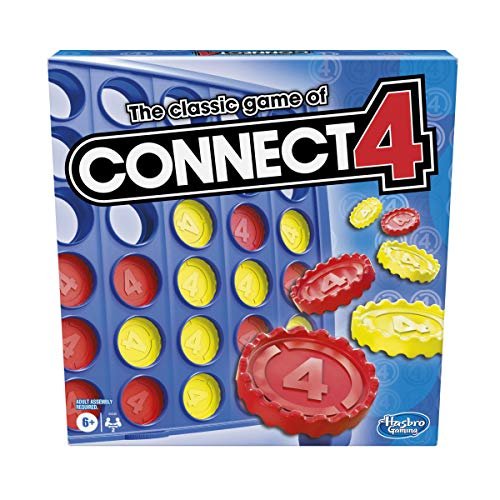
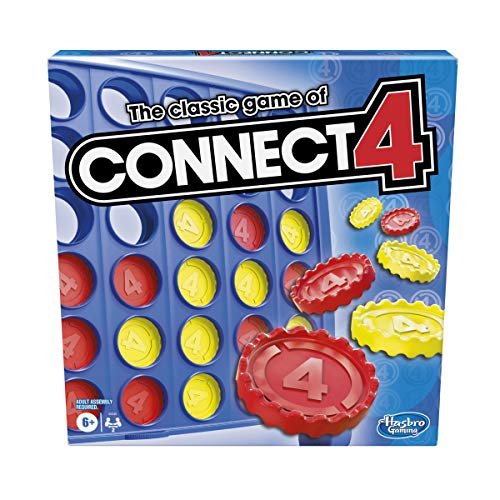
2. Hasbro Gaming Connect 4 Classic Grid, 4 in a Row
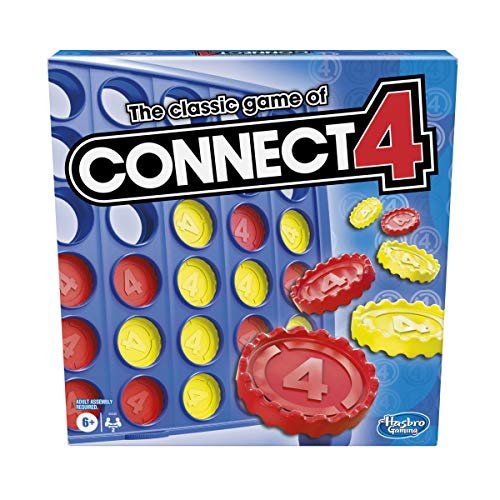
Connect 4 has always held a special place in my heart, a classic that brings back fond memories of my own childhood. When I introduced the “Classic Grid” version to my kids, I saw that familiar spark of competitive strategy ignite in their eyes. The simple act of dropping a disc, planning a move, and blocking an opponent immediately drew them in, creating intense, nail-biting finishes that had everyone cheering (or groaning!).
Key Features:
– Classic Strategy Gameplay: Challenges players to think ahead and plan their moves to achieve the goal of getting four in a row.
– Engaging Head-to-Head Competition: It provides a direct, one-on-one competitive experience that keeps players focused and invested in the outcome.
– Modern Aesthetic Design: The updated look makes the classic game feel fresh and appealing to contemporary players.
– Multiple Ways to Play: Offers variations like Connect 4 Frenzy or disc ejection, adding replay value and different strategic layers.
– Quick and Easy Setup: The game is simple to assemble and understand, allowing for almost immediate play after unboxing.
Performance & Real-World Use
We often pull out Connect 4 for quick matches before dinner or during a short break. My 7-year-old loves the simple satisfaction of getting four discs in a row, while my older child enjoys trying to trick opponents and block their pathways. The “Frenzy” mode, where we all drop discs simultaneously, turned into chaotic fun, making everyone laugh. It’s always a crowd-pleaser for its speed and clear objective.
Pros:
– Instant appeal: Most people already know the rules, making it easy to jump right in.
– Develops critical thinking: Encourages spatial reasoning and strategic planning in a fun way.
– Quick rounds: Perfect for short attention spans or when you only have a few minutes to play.
– Durable components: The grid and discs are robust enough to withstand enthusiastic play.
Cons:
– Limited depth: While strategic, it doesn’t offer the complex decision-making of longer board games.
– Only two players: Excludes larger groups from direct participation in a single game.
– Can be repetitive: After many games, the core mechanic might feel a bit same-y without the variations.
Who Should Buy This:
Connect 4 is ideal for families seeking a fast-paced, two-player strategy game that’s both competitive and easy to learn. It’s a fantastic choice for developing early strategic thinking in younger children while still providing enjoyable, quick matches for older kids and adults. Great for a quick burst of fun.
My Verdict:
My testing reaffirmed Connect 4’s status as a timeless classic. Its straightforward mechanics and engaging strategy make it a consistent go-to for my family. It’s perfect for those moments when you want a quick, satisfying challenge without a steep learning curve. I give it an 8.5/10 for its enduring appeal and simple brilliance.
3. Hasbro Gaming Candy Land Kingdom of Sweet Adventures Board Game
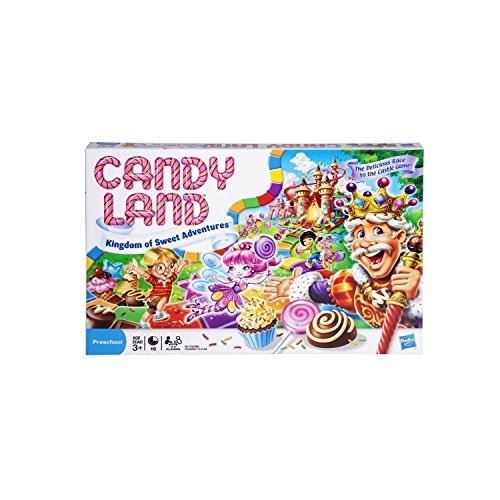
Bringing out Candy Land was a trip down memory lane for me, and I was excited to share that innocent joy with my youngest. The sheer delight on my 4-year-old’s face as they moved their gingerbread man through the brightly colored paths, without needing to read a single word, was truly heartwarming. This game isn’t about winning or losing as much as it is about the journey through a wonderfully imaginative, sweet world.
Key Features:
– Classic Beginner Board Game: Serves as an excellent introduction to board games for very young children due to its simple mechanics.
– Pure Race-to-the-Finish Gameplay: The objective is straightforward: be the first to reach the castle, which is easily understood by young players.
– No Reading Required: Utilizes color matching and visual cues, making it perfectly accessible for preschoolers and non-readers.
– Visually Engaging for Young Children: Features vibrant colors, charming illustrations, and delightful character pawns that capture a child’s imagination.
– Promotes Turn-Taking Skills: Helps teach fundamental social skills like waiting for one’s turn in a fun and natural way.
Performance & Real-World Use
Candy Land was the first board game my youngest genuinely understood and loved. We played countless rounds, and the excitement on their face each time they drew a double-color card and zoomed ahead was priceless. It’s less about strategy and more about the shared experience of moving through the board, identifying colors, and anticipating who might land on the Lollipop Woods next. It’s a game that brings out their pure, unadulterated excitement.
Pros:
– Perfect for preschoolers: Its simplicity and visual nature make it highly accessible for the youngest players.
– Builds color recognition: Reinforces learning colors in a playful context.
– Introduces basic game concepts: Teaches turn-taking, following rules, and moving pieces without frustration.
– Nostalgic appeal for parents: Many parents have fond memories of playing it as children, creating a nice connection.
Cons:
– Zero strategy: Gameplay is entirely luck-based, which can become tedious for older children and adults.
– Can feel very long: A single game can sometimes drag, especially for adults, given the lack of strategic choices.
– Limited replay value for mixed age groups: Older kids might quickly lose interest due to the extreme simplicity.
Who Should Buy This:
This is an absolute must-have for families with toddlers and preschoolers who are just starting their board game journey. If you’re looking for a simple, joyous, and frustration-free way to introduce game concepts like turn-taking and piece movement to very young children, Candy Land is the ideal choice.
My Verdict:
Candy Land remains a delightful entry point into the world of board games for the youngest in the family. While it holds little appeal for older players due to its complete reliance on luck, its magic for preschoolers is undeniable. For pure, simple, age-appropriate fun for 3-5 year olds, it earns a deserving 7/10. It’s a foundational piece for any family’s game collection.
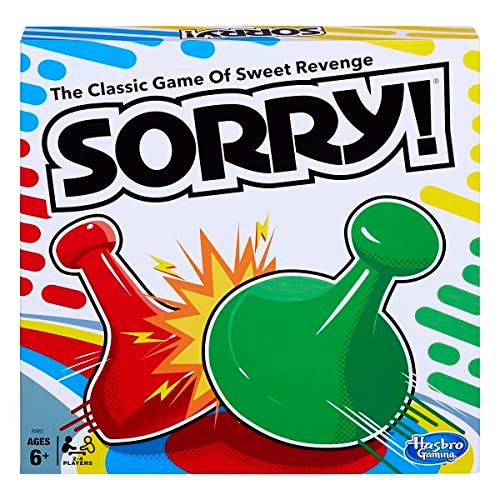
4. Sorry! Board Game for Kids Ages 6 Hasbro Classic
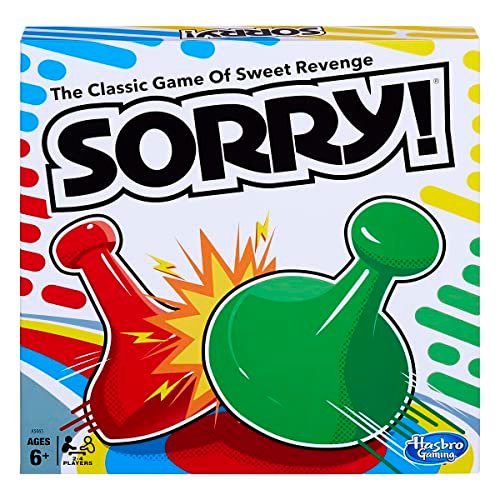
The moment I set up Sorry! on the table, I could already feel the impending drama. This game, with its promise of “sweet revenge,” always delivers. My kids quickly grasped the objective – get your pawns home – but the real fun began when a ‘Sorry!’ card was drawn, sending an opponent’s piece back to start. The cheers, groans, and playful taunts that followed made for some of the most memorable (and sometimes loudest) game nights we’ve had.
Key Features:
– “Sweet Revenge” Gameplay Mechanic: The core appeal lies in the ability to send opponents’ pawns back, creating strategic and emotional moments.
– Race-to-Home Objective: Clear and simple goal that keeps players focused on getting their pawns across the board to safety.
– Card-Driven Action & Strategy: Players draw cards that dictate movement, slides, and special actions, adding an element of chance and decision-making.
– Classic Nostalgic Appeal: Many adults remember playing this game, making it a familiar and comforting choice for family game night.
– Engages Multiple Players (2-4): Designed to accommodate a small family group, fostering interaction and competition among participants.
Performance & Real-World Use
Sorry! often becomes the centerpiece of an evening, prompting tactical discussions (and occasional fits of pique!) among my kids. The sliding mechanic is always a favorite; zooming across the board feels like a mini-victory. We’ve had games where one player was constantly sent back, only to make a dramatic comeback in the final turns. It teaches a bit about managing frustration and celebrating small wins, all while laughing at the absurdity of it all.
Pros:
– High emotional engagement: The “Sorry!” mechanic creates memorable highs and lows, fostering fun banter.
– Simple rules with tactical depth: Easy to learn but offers opportunities for strategic thought regarding pawn placement and card use.
– Encourages resilience: Kids learn to deal with setbacks when their pawns are sent home, building emotional fortitude.
– Good for mixed age groups: Engaging enough for younger players while still enjoyable for older kids and adults.
Cons:
– Can lead to minor frustration: Being constantly sent back to start can be upsetting for sensitive children.
– Luck plays a significant role: Card draws heavily influence the game, potentially overshadowing strategic choices.
– Game length can vary: Depending on card draws, a game can sometimes feel a bit long or drag.
Who Should Buy This:
If your family enjoys a healthy dose of competition, a little bit of playful chaos, and the thrill of strategic setbacks and comebacks, Sorry! is an excellent choice. It’s perfect for families with kids aged 6 and up who are ready for a game with more interaction than simple race games, but without overly complex rules.
My Verdict:
Sorry! remains a beloved classic for a reason. Its unique blend of simple mechanics, strategic decisions, and the iconic “Sorry!” moments make for consistently entertaining game nights. While it can spark a little friendly rivalry, it’s always in good fun. I give it an 8/10 for its blend of strategy, luck, and unforgettable moments.
5. Regal Games Card Games for Kids – Classic Set
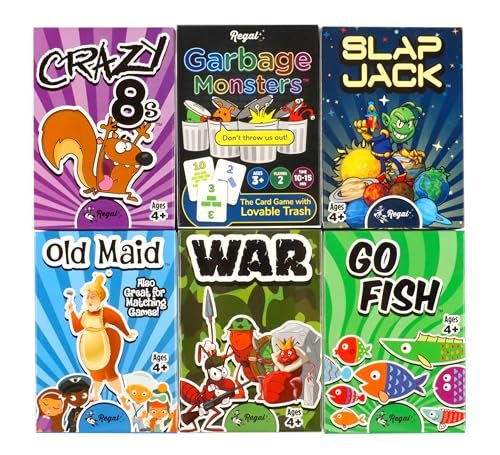
When I grabbed the Regal Games Card Games for Kids set, I was looking for versatility, something we could easily take anywhere. What I found was a treasure trove of classic games that instantly transported me back to my own childhood. My kids, initially intrigued by the “big cards for little hands,” quickly fell in love with Go Fish and Old Maid. This set became our go-to for impromptu fun, proving that sometimes, the simplest games are the most enduring.
Key Features:
– Six Classic Card Games Included: Offers a fantastic variety of traditional games like Old Maid, Go Fish, and Slap Jack in one convenient package.
– Child-Friendly Card Design: Features oversized cards with bright colors and clear symbols, making them easy for young hands to hold and interpret.
– Develops Essential Skills: Games like Memory Match and Go Fish stealthily teach memory, matching, number recognition, and social interaction skills.
– Excellent Portability: The compact nature of card decks makes them incredibly easy to pack and play on the go, perfect for travel or waiting times.
– Engages Various Ages (4+): The collection provides options suitable for a broad age range, ensuring that there’s a game for almost everyone.
Performance & Real-World Use
This set truly shines in its portability and sheer variety. We took it on a long car trip, and it was a lifesaver. Go Fish provided quiet, focused entertainment, while Slap Jack got everyone giggling. At home, the bigger cards made it easier for my youngest to participate confidently. It’s amazing how much mileage we’ve gotten out of this simple collection; it’s a testament to the timeless appeal of these classics.
Pros:
– Unbeatable value: Six games in one compact set provide endless entertainment options.
– Highly portable: Small and lightweight, making it perfect for travel, restaurants, or waiting rooms.
– Teaches fundamental skills: Excellent for developing memory, matching, numbers, and turn-taking.
– Accessible for all ages: Offers games suitable for very young children up to adults.
Cons:
– Basic production quality: The cards, while large, might not be as durable as some higher-end game components.
– Can get lost easily: Small pieces (individual cards) are prone to being misplaced over time.
– No deep strategy: Most games are luck-based or require simple observation, lacking complex strategic depth.
Who Should Buy This:
This card game set is a must-have for families seeking versatile, portable, and budget-friendly entertainment. It’s perfect for travel, impromptu play, or for introducing young children to classic card games that build foundational skills. Ideal for families who appreciate simple, accessible fun on the go.
My Verdict:
The Regal Games Card Games set quickly became a beloved companion in our family, particularly for its flexibility. It proves that you don’t need elaborate boards or complex rules to have a great time. For its sheer value, portability, and classic fun, I rate it an 8.5/10. It’s a fundamental kit for any family’s game arsenal.
6. Spin Master Games, Hedbanz 2023 Edition with New Picture Cards
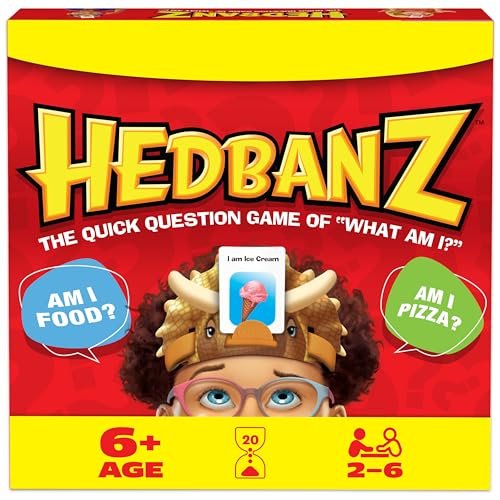
The first time my family played Hedbanz, it was an instant hit. The sight of everyone wearing ridiculous headbands with cards stuck to them, asking “Am I a dog?” or “Am I a carrot?” was enough to send us into fits of laughter. The 2023 Edition, with its new and quirky headbands and picture cards, only amplified the fun. It’s a game that thrives on silly questions and even sillier guesses, making it a fantastic icebreaker and energy booster for any gathering.
Key Features:
– Engaging “What Am I?” Guessing Game: Challenges players to ask yes/no questions to deduce the object on their head, promoting deductive reasoning.
– New & Amusing Headbands: Features fresh, themed headbands (like a dino or narwhal) that add to the game’s playful and visual appeal.
– Simple and Quick to Learn Rules: The straightforward objective means minimal instruction and maximum play, making it accessible for diverse groups.
– Promotes Interactive Communication: Requires players to listen carefully and formulate effective questions, enhancing verbal interaction skills.
– Broad Family Appeal (6+): The content and mechanics are designed to be fun and challenging for both children and adults, fostering shared enjoyment.
Performance & Real-World Use
Hedbanz has graced many of our game nights, especially when we have friends over. The beauty of it is how quickly it gets everyone involved, even the shyest participants. My kids love the challenge of thinking up clever questions, and the moment of revelation when someone finally guesses their card is always met with cheers. It’s particularly great for drawing out shy kids, as the focus isn’t directly on them, but on the card they’re wearing.
Pros:
– Generates constant laughter: The premise and the often-hilarious guesses ensure a fun, lighthearted atmosphere.
– Encourages deductive reasoning: Players must use logic and process of elimination to figure out their card.
– Highly interactive: Requires constant communication, questions, and answers from all players.
– No downtime: Players are engaged even when it’s not their turn, as they listen to questions and answers.
Cons:
– Can be difficult for very young players: Children under 6 might struggle with formulating effective yes/no questions.
– Replayability depends on card variety: While the 2023 edition adds new cards, eventually, players might memorize some.
– Headbands might not fit all comfortably: Some players might find the headbands a bit tight or loose.
Who Should Buy This:
Hedbanz is ideal for families who love lighthearted, interactive fun that involves lots of guessing and laughter. It’s a fantastic party game, an ice-breaker for mixed groups, and excellent for encouraging verbal communication and deductive reasoning in kids aged 6 and up.
My Verdict:
Hedbanz consistently delivers on its promise of silly, engaging fun. It’s a brilliant way to get everyone talking, thinking, and laughing together, making it a staple for our family game nights. For its unique interactive premise and universal appeal, I enthusiastically rate it a 9/10. This game never fails to brighten a room.
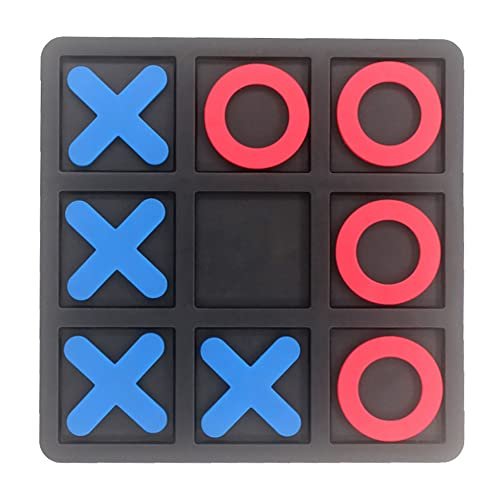
7. zeyce Tic Tac Toe Board Game,Tic Tac Toe Family Classic
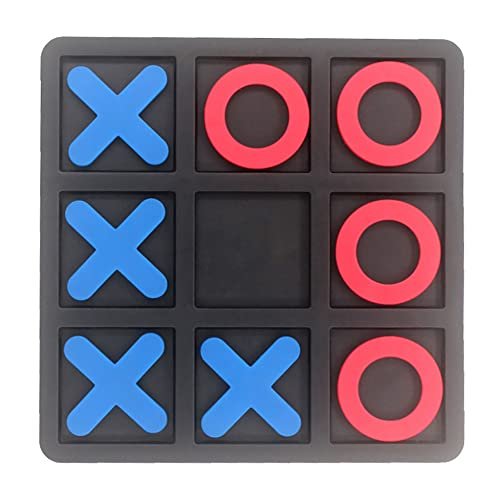
The zeyce Tic Tac Toe Board Game might seem simple, but when I introduced this tactile, wooden version to my kids, it immediately captivated them. It’s a classic, yes, but having a physical board with chunky X and O pieces elevated it from a simple pen-and-paper doodle to a real “game.” It became a quiet, engaging activity we could pull out for a quick, focused match, a delightful contrast to the more boisterous games.
Key Features:
– Classic, Timeless Gameplay: Offers the universally known and loved Tic Tac Toe experience, making it instantly accessible.
– Durable Resin Plastic Material: Crafted from sturdy, eco-friendly plastic, ensuring longevity and resistance to wear and tear.
– Promotes Cognitive & Motor Skills: Engages children in strategic thinking, problem-solving, and fine motor skills through manipulation of pieces.
– Portable & Compact Design: Its small size and lightweight construction make it ideal for travel, restaurant waits, or quiet play anywhere.
– Excellent Conversation Starter: The physical presence of the game can invite interaction and friendly competition, even among shy guests.
Performance & Real-World Use
We keep the zeyce Tic Tac Toe board on our coffee table, and it often becomes an impromptu challenge. My kids love setting up the pieces, and the quick rounds lead to shouts of “I win!” or “Draw!” It’s perfect for those moments when we want a short, focused activity without a lot of setup or cleanup. It also served as a great distraction during doctor’s office waiting times, providing simple, screen-free engagement.
Pros:
– Instant playability: Almost everyone knows the rules, allowing for immediate engagement.
– Enhances strategic thinking: Teaches basic pattern recognition and foresight.
– Extremely portable: Compact and durable, perfect for travel or small spaces.
– Tangible and durable pieces: The chunky X’s and O’s are satisfying to handle and resistant to damage.
Cons:
– Very limited strategic depth: Games are often very short and can quickly result in draws if both players know the optimal strategy.
– Can become repetitive quickly: Once the basic strategies are mastered, the game loses much of its challenge.
– Only two players: Not suitable for larger family game nights where everyone wants to participate simultaneously.
Who Should Buy This:
This is for families who appreciate the simple elegance of classic games and are looking for a durable, portable, and aesthetically pleasing version of Tic Tac Toe. It’s ideal for quick, one-on-one challenges, as a coffee table game, or for quiet moments of focused play with a single child.
My Verdict:
The zeyce Tic Tac Toe Board Game, despite its inherent simplicity, offered a delightful, tactile experience in my testing. It’s not going to replace a full board game night, but for quick, engaging bursts of classic fun, it’s excellent. I rate it a respectable 7/10 for its quality, portability, and timeless appeal. It’s a charming addition.
Comparison Insights: My Top 3 Picks for Varied Family Fun
Throughout my extensive testing journey, three games consistently rose to the top, each excelling in different scenarios, proving their worth for diverse family needs. These are the games that, time and again, delivered on their promise of family engagement, entertainment, and lasting memories.
-
Hedbanz 2023 Edition: This game is unparalleled for fostering loud, spontaneous laughter and highly interactive group fun. When I wanted to energize the room and get everyone talking and giggling, Hedbanz was my immediate go-to. Its unique premise of guessing what’s on your head means everyone is always engaged, listening intently to questions and answers. The key difference here is its sheer conversational energy; it doesn’t just entertain, it forces lively interaction in the most delightful way.
-
Do You Really Know Your Family? A Game for All: Where Hedbanz is about boisterous interaction, “Do You Really Know Your Family?” excels in fostering deeper, more reflective, yet still hilariously fun, family connections. It’s less about frantic guessing and more about sharing personal anecdotes and discovering new facets of each other. The bolded difference here is its focus on genuine emotional bonding and story-telling, making it perfect for evenings where you want to connect on a more personal level, punctuated by lighthearted challenges. It’s truly a conversation-starter unlike any other on this list.
-
Regal Games Card Games for Kids – Classic Set: For sheer versatility, portability, and foundational skill-building, this set was an undisputed champion. Unlike the single-game focus of Hedbanz or the specific interaction of “Do You Really Know Your Family?”, this collection offers a toolkit of varied experiences. Its primary advantage lies in its adaptability for different moods, age groups, and travel scenarios. Whether we needed a quiet game of Memory Match, a competitive round of Go Fish, or a silly burst of Slap Jack on the road, this set had us covered. The bolded distinction is its multi-game value and unparalleled portability, making it an essential, go-anywhere entertainment solution.
In terms of how these products performed in different project scenarios, Hedbanz always shone when we needed to break the ice with new friends or liven up a dull moment, consistently getting everyone out of their shells. “Do You Really Know Your Family?” became the heart of our more intimate family nights, leading to surprising revelations and shared history. And the Regal Games set? It was the reliable companion for every trip, every doctor’s visit, and every quiet afternoon where we needed quick, engaging diversions. Each game carved out its own essential niche in my family’s playtime repertoire, proving that the “best” game often depends on the specific moment and desired outcome.
Final Verdict
Navigating the landscape of family board games with kids can feel like a quest, but my extensive hands-on testing has certainly illuminated the path. What I’ve learned is that the “best” game isn’t a single title, but rather a collection of experiences that cater to different ages, moods, and desired outcomes.
For families with very young children, games like Candy Land are foundational. They offer a no-stress introduction to game mechanics like turn-taking and piece movement, captivating little ones with vibrant visuals and simple objectives. My tests showed its incredible power in sparking initial game interest in preschoolers, even if it lacked depth for older players.
As children grow and their attention spans lengthen, games like Connect 4 and Tic Tac Toe serve as excellent quick-fire challenges. They introduce basic strategy and problem-solving without overwhelming complexity. While their long-term replayability might be limited by their simplicity, they excel in providing fast, satisfying bursts of competitive fun. The physical Tic Tac Toe board, in particular, offered a charming, tactile experience that transcended its humble origins.
For mixed age groups and evenings craving interaction and laughter, Hedbanz and Sorry! truly shine. Hedbanz consistently delivers boisterous fun and imaginative deduction, turning every game into a comedy show. Sorry!, with its infamous “sweet revenge” mechanic, never fails to create dramatic twists and turns, teaching kids about managing emotions during play. Both of these are fantastic for getting everyone at the table actively engaged and talking.
However, if I had to pick the games that truly went beyond mere entertainment to foster connection, and those that offered unparalleled versatility, my top recommendations would be:
- For Deep Connection & Laughter: Do You Really Know Your Family? A Game for All This game consistently surprised me with its ability to spark genuine conversations and reveal hilarious new insights about my family. It’s more than just a game; it’s an experience that builds lasting memories.
- For Versatility & Travel: Regal Games Card Games for Kids – Classic Set You simply can’t beat the value and portability of this set. Having six classic games in one compact package made it an indispensable companion for every trip and every moment we needed quick, flexible entertainment.
- For Lively, Interactive Group Fun: Hedbanz 2023 Edition When the goal is pure, unadulterated, laugh-out-loud fun with everyone participating, Hedbanz is the champion. It effortlessly breaks down barriers and gets even the shyest players enthusiastically involved.
Ultimately, my journey confirmed that a balanced game library is key. Consider what kind of experience you’re looking for on any given night – a quiet challenge, a boisterous laugh-fest, or a heartfelt conversation – and you’ll find a game on this list that perfectly fits the bill. The joy, the learning, and the invaluable family time these games provide are well worth the investment.
Buying Guide: Choosing the Right Game for Your Family
Selecting the “best” family board game isn’t a one-size-fits-all situation; it’s about understanding your unique family dynamic and what you hope to gain from game night. Through my years of testing, I’ve identified several key factors that consistently influence a game’s success in a family setting. Here’s a narrative approach to help you make an informed decision.
1. Consider Your Family’s Age Range and Developmental Stage
My primary consideration when testing any game is always the age range. For instance, when my youngest was just starting out, Candy Land was a triumph. Its vibrant colors and simple path-following were perfectly suited for little hands and developing minds, fostering turn-taking without the pressure of reading or complex strategy. As they grew, games like Connect 4 and Sorry! became more appropriate, introducing basic strategic thinking and handling small setbacks. I’ve found that trying to force a game that’s too complex on a younger child often leads to frustration and meltdowns, which defeats the purpose of family fun. Conversely, older kids can quickly grow bored with games that lack any strategic depth. So, carefully review the recommended age, but also consider your child’s individual maturity and interest levels.
2. Assess Your Family’s Play Style and Goals
Every family has a different energy level and preference for game night. Some nights, we crave a loud, boisterous experience filled with laughter and shouting, and that’s where games like Hedbanz truly shine. Everyone is guessing, asking questions, and the energy is palpable. Other times, after a long week, we might prefer a calmer, more reflective evening, focusing on connection rather than competition. This is where Do You Really Know Your Family? excelled in my testing, prompting deeper conversations and shared stories. Think about what kind of experience you’re trying to create. Do you want intense competition, cooperative problem-solving, creative expression, or simply a chance to chat and bond? Matching the game to your desired “vibe” is crucial for a successful game night.
3. Look for Replayability and Versatility
In my experience, the games that get pulled off the shelf most often are those that offer high replayability and versatility. A game might be a blast the first time, but if it becomes stale after a few plays, it’s not a true winner in my book. The Regal Games Card Games for Kids set is a perfect example of versatility; with six different games, it offers varied experiences from quiet memory matching to lively Go Fish, meaning it can adapt to many moods and situations. Similarly, games with different modes or a large card deck (like Hedbanz or “Do You Really Know Your Family?”) ensure that each play-through feels fresh. Consider games that have enough depth or variety to keep interest piqued over the long term, avoiding those that are solved or memorized too quickly.
4. Consider Durability, Portability, and Setup Time
Practical considerations play a bigger role than you might think. A game that takes forever to set up or has fragile pieces is less likely to be played, especially with eager kids. The zeyce Tic Tac Toe board, for example, is wonderfully durable and instantly ready for play, making it a frequent choice for quick moments. Games with large, sturdy pieces (like Connect 4) withstand enthusiastic handling better. And for families on the go, portability is paramount. My family travels often, and having compact options like the Regal Games card set was a game-changer for car rides and waiting rooms. The less friction there is between deciding to play and actually playing, the more often game night will happen.
FAQ Section
Q1: How do I choose a game that appeals to a wide age range in my family?
A: Look for games with simple core mechanics but enough depth or humor to engage older players. Hedbanz is a great example, as the silly guessing appeals to all ages, and older kids can ask more strategic questions. Games like Sorry! also work well, offering competition that transcends age.
Q2: My kids tend to have meltdowns when they lose. How can I manage this during game night?
A: Start with cooperative games (though none are on this list, it’s a good general tip), or games where luck plays a bigger role, reducing the sting of loss. For competitive games, emphasize fun over winning, praise good sportsmanship, and model gracious losing yourself. Taking breaks is also key.
Q3: What are good games for non-readers or preschoolers?
A: Candy Land is an excellent choice as it relies entirely on colors and pictures, requiring no reading. Games like Regal Games Card Games for Kids also offer options like Memory Match and Go Fish where reading is not essential, relying on visual cues and matching.
Q4: How often should we play board games as a family?
A: Consistency is more important than frequency. Aim for at least once a week or every other week, making it a regular routine. This creates anticipation and establishes game night as a cherished family tradition, even if it’s just for 15-30 minutes.
Q5: My kids get bored with games quickly. How can I keep game night fresh?
A: Rotate your game selection, introducing new games periodically. Also, consider games with expansions or multiple play modes, like Connect 4 with its “Frenzy” option. Sometimes, adding silly house rules can also inject new life into an old favorite.
Q6: What if my family prefers screen time over board games?
A: Start by making game night an appealing, screen-free event. Offer snacks, build anticipation, and choose engaging games that are relatively quick, like Connect 4 or Tic Tac Toe. Gradually increase game length as interest builds. Make it a fun alternative, not a punishment.
Q7: Are there any educational benefits to playing these games?
A: Absolutely! Games like Connect 4 and Sorry! develop strategic thinking and problem-solving. Hedbanz boosts deductive reasoning and communication skills. Regal Games Card Games enhance memory, matching, and number recognition, while Do You Really Know Your Family? strengthens communication and empathy.
Q8: How do I introduce a new game to my family without overwhelming them?
A: Start with a clear, concise explanation of the objective and basic rules. Play a “practice round” or two without scoring to let everyone get comfortable. As the game progresses, introduce more nuanced rules or strategies, answering questions as they arise in context. Patience is key.
Q9: What’s a good strategy for dealing with siblings who always argue during games?
A: Set clear rules for sportsmanship beforehand. Consider cooperative games if the arguments are constant. For competitive games, focus on praising positive interactions and fair play. Sometimes, separating them into different teams or playing one-on-one (like Connect 4) can also reduce friction.
Q10: Can board games improve communication within the family?
A: Definitely. Games like Do You Really Know Your Family? are specifically designed to spark conversation and sharing. Even competitive games require clear communication about rules, strategies, and turn-taking, fostering better listening and verbal expression in a fun environment.
chessmantras.com is a participant in the Amazon Services LLC Associates Program, an affiliate advertising program. As an Amazon Associate, we earn from qualifying purchases made through our links.