As a dedicated board gamer, I constantly search for genuinely unique experiences that push the boundaries of interaction and strategy. The best hidden movement board games consistently provide that perfect, heart-pounding tension, delivering unforgettable strategic challenges and thrilling moments of discovery. I’ve spent countless hours, often during intense project playtests and evening game sessions, delving into these titles, meticulously analyzing their mechanics, and savoring every concealed move and dramatic reveal.
My passion for this genre stems from its inherent psychological tug-of-war. It’s not just about what you know, but what you think your opponent knows, creating a rich tapestry of bluffs, deductions, and sudden, exhilarating confrontations. Join me as I share my in-depth impressions and guide you through the intricate world of hidden movement board games.
1. Off The Page Games Mind MGMT: The Psychic Espionage
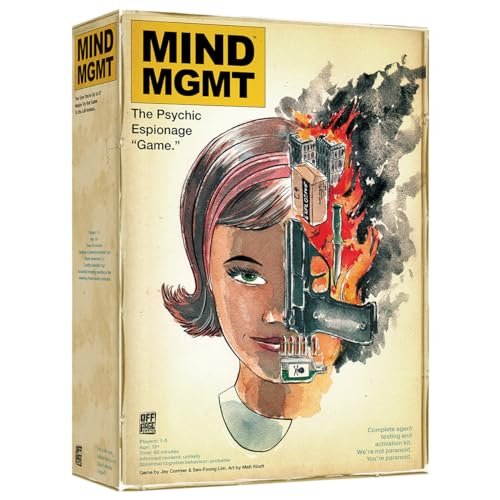
Stepping into the world of Mind MGMT felt like diving headfirst into a spy thriller novel, but with the added pressure of live, strategic deduction. I was immediately captivated by its clever premise, where one player subtly manipulates the board while the others frantically try to track their every move. The tension that builds throughout a game session is absolutely palpable; it’s a brilliant cat-and-mouse chase where every decision from both sides feels incredibly weighty.
Key Features:
– Engaging Strategic Gameplay: This game brilliantly blends deduction, hidden movement, and asymmetric roles, creating a unique and deeply satisfying challenge for both sides.
– Award-Winning Design: Its innovative approach to the hidden movement genre has been critically acclaimed, confirming its status as a standout title that truly pushes boundaries.
– Immersive Storyline: The narrative of psychic espionage against an enigmatic organization perfectly underpins the gameplay, drawing players deeper into its clandestine world.
– Perfect for Game Nights: Designed for 2-5 players, it offers cooperative fun and intense strategic depth, making it an excellent choice for a group seeking a brainy challenge.
– Premium Components: The high-quality production, including illustrated boards and dry-erase mental notes, significantly enhances the game’s tactile appeal and overall immersion.
Performance & Real-World Use
I’ve had this hit my table dozens of times, often serving as the capstone to a longer game night. Playing as the Mind MGMT agent, I’ve relished the subtle bluffs and the agonizing decisions of where to move next, knowing every step could reveal my hand. As a rogue agent, the joy of a perfectly timed deduction, slowly narrowing down the possibilities, is immensely satisfying. Its elegant design consistently delivers a sharp, cerebral experience, whether I’m teaching new players or battling seasoned veterans.
Pros:
– Exceptional Asymmetry: Both sides feel distinct and equally engaging, offering different strategic puzzles.
– Deep Deduction: The deduction mechanics are incredibly clever, allowing for genuine “aha!” moments.
– Variable Gameplay: The included “SHIFT” system adds new rules and challenges, ensuring high replayability.
– Compact & Elegant: Despite its depth, the game is relatively compact and plays quickly once understood.
Cons:
– Steep Learning Curve: New players can feel overwhelmed by the rules and strategic possibilities initially.
– Player Count Sweet Spot: While playable at 2, it shines brighter with 3-4 players for optimal tension.
– Analysis Paralysis Risk: Deductive nature can lead to longer turns for some players.
Who Should Buy This: This is a must-have for deduction game aficionados, fans of one-vs-many experiences, and groups who enjoy a rich, strategic puzzle. If you love games that make you feel incredibly clever, this is your jam.
My Verdict: Mind MGMT is a masterclass in hidden movement and deduction. It offers an incredibly satisfying intellectual challenge and consistently delivers memorable moments of triumph and despair. Its clever design and inherent tension make it a game I enthusiastically recommend to almost any group looking for a truly unique experience. I rate it a strong 9.5/10.
2. Escape from The Aliens in Outer Space: Ultimate Edition
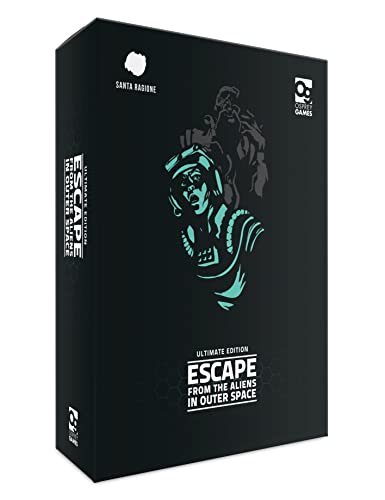
When I first encountered Escape from The Aliens in Outer Space, I was immediately struck by its minimalist brilliance. It strips down the hidden movement concept to its terrifying, paranoid core. Playing this often felt like being thrust into a sci-fi horror film – the lights dim, hushed whispers fill the room, and every rustle of a movement card sends a shiver down my spine. It’s an exercise in pure tension and psychological warfare.
Key Features:
– Tense Deduction Gameplay: Players use limited information to deduce locations, creating a high-stakes game of cat-and-mouse that keeps everyone on edge.
– Asymmetric Roles (Human vs. Alien): Humans must escape while aliens hunt them, providing distinct objectives and playstyles that drive the core conflict.
– Minimalist Design, Maximum Impact: Despite simple components and rules, the game generates immense tension and immersion, proving less can indeed be more.
– Variable Map Layouts: The modular map pieces allow for diverse station configurations, ensuring each game offers a fresh puzzle to solve and escape from.
– Bluffing and Misdirection Focus: Success hinges on outsmarting opponents through clever movement and deceptive communication, making social deduction crucial.
Performance & Real-World Use
I’ve played this game in various settings, from quiet evenings with a few friends to boisterous gatherings. The performance is always stellar, particularly when players embrace the theme and lower the lights. The lack of a central board and reliance on individual player maps heightens the sense of isolation and paranoia. I vividly recall one game where an alien meticulously cornered me for several turns, only for me to pull off a last-ditch bluff that allowed me to slip past, eliciting cheers and groans around the table. It’s a game that thrives on dramatic reveals and player interaction.
Pros:
– Incredibly Thematic: Perfectly captures the dread and paranoia of being hunted in space.
– Highly Replayable: With multiple roles, item cards, and modular maps, every game feels fresh.
– Scales Well: Works effectively across its broad player count, from intimate duels to larger group chaos.
– Fast Paced: Games typically conclude quickly, allowing for multiple plays in one session.
Cons:
– Reliance on Player Buy-in: The game’s atmosphere heavily depends on players embracing the theme and tension.
– Can Be Frustrating: Being caught early as a human can lead to some player elimination.
– Less “Strategic” Depth: More about tactical maneuvers and bluffing than long-term strategic planning.
Who Should Buy This: If you crave pure, unadulterated tension and enjoy games heavy on bluffing and deduction within a sci-fi horror theme, this is an excellent choice. It’s perfect for groups who love quick, intense psychological thrillers.
My Verdict: Escape from The Aliens in Outer Space is a masterpiece of minimalist design, delivering maximum thrills. It’s a truly immersive experience that will have you gripping your seat and whispering urgently to your allies. While simple in its components, the gameplay is anything but, offering a consistently nerve-wracking and incredibly fun time. I give it an enthusiastic 8.8/10.
3. Dead by Daylight The Board Game | Horror Survival Strategy
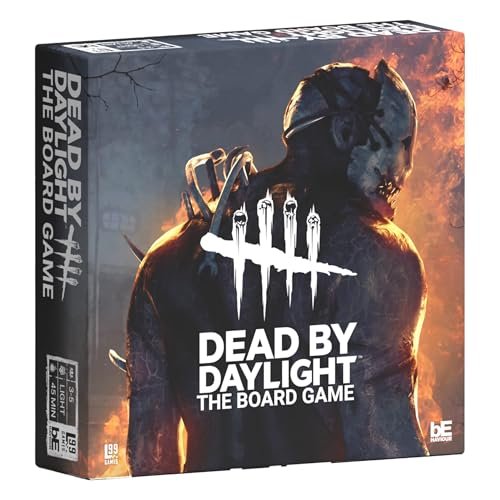
As a huge fan of the video game, I was both excited and apprehensive about a Dead by Daylight board game adaptation. Could it truly capture the asymmetric hide-and-seek terror? After numerous playtests, I can confidently say it absolutely does. From the moment I first laid out the tiles and picked my Killer, the adrenaline kicked in. It masterfully translates the core loop of generator repair and desperate chases into a tangible tabletop experience.
Key Features:
– Survival Horror Game Replication: This board game brilliantly replicates the core hide-and-seek gameplay of the video game, immersing players in its iconic horror setting.
– Thrilling Game of Hide and Seek: Survivors coordinate to repair generators while a cunning Killer stalks them, creating constant tension and dramatic confrontations.
– Strategic Board Game Depth: Both Survivors and Killers must employ careful planning and tactical movement, offering a rich strategic layer beyond simple movement.
– Highly Variable Asymmetric Gameplay: The unique Perks of various Killers and Survivors ensure that each match feels distinct, promoting diverse strategies and high replayability.
– Optimal Player Count & Playtime: Designed for 3-5 players with a 30-60 minute average playtime, it fits well into a typical game night without overstaying its welcome.
Performance & Real-World Use
My testing of Dead by Daylight often involved intense rounds where Survivors were frantically trying to finish generators, only for the sound of a heartbeat (or simply the Killer player’s intense stare) to send them scattering. Playing as the Killer is a blast; I loved trying to anticipate survivor routes and corner them, while as a Survivor, every successful stealth move or generator repair felt like a small victory against insurmountable odds. The Perk system works wonderfully, allowing for character customization that impacts strategy in meaningful ways, making each game feel fresh.
Pros:
– Authentic Adaptation: Captures the feel and core mechanics of the video game exceptionally well.
– Engaging Asymmetry: Both Killer and Survivor roles offer distinct and satisfying gameplay experiences.
– Customizable Characters: Perk system allows for varied strategies and builds, enhancing replayability.
– High Tension: The constant threat of the Killer and the race against time creates immense suspense.
Cons:
– Player Elimination: Being “sacrificed” early as a Survivor can lead to downtime for that player.
– Setup Time: Can take a little while to set up all the tiles and tokens, especially with multiple players.
– Killer Can Feel Overpowered: Some matchups or player skill disparities can make it feel unbalanced at times.
Who Should Buy This: Fans of the Dead by Daylight video game will find this an incredibly faithful and enjoyable adaptation. It’s also perfect for groups who love asymmetric horror games, high tension, and tactical hide-and-seek.
My Verdict: Dead by Daylight The Board Game is a surprisingly effective translation of its digital counterpart. It delivers a genuinely thrilling, tense, and strategic experience that perfectly embodies the cat-and-mouse horror. For anyone looking to bring the terror of The Entity to their tabletop, this is an outstanding choice. It truly exceeded my expectations. I rate it a solid 8.9/10.
4. Rebellion Unplugged Sniper Elite: The Board Game

Having spent countless hours in the digital Sniper Elite world, I was immensely intrigued by how a board game could possibly recreate that blend of stealth, precision, and cat-and-mouse combat. Sniper Elite: The Board Game absolutely nails it. Playing as Karl Fairburne, I felt every decision to move, to shoot, or to lay low carry significant weight. It’s an incredibly tense, often hilarious, and always engaging duel of wits against an entire enemy team.
Key Features:
– Critically Acclaimed Video Game Adaptation: This board game successfully brings the tactical stealth and tension of the Sniper Elite video games to the tabletop.
– Tense One-Versus-Many Hidden-Movement: One player as the sniper faces a team of defenders, creating a thrilling hunt where every move and shot has consequences.
– Bluff and Deduction Meets Tactical Combat: Players must master misdirection and deduction, while also engaging in tactical combat, making for a multi-layered strategic experience.
– Fast-Paced Action: With an average playtime of 45 minutes, it offers quick yet intense gameplay, making it suitable for multiple rounds or shorter game nights.
– High-Quality Components: Includes a double-sided board, detailed miniatures, and fully illustrated cards, enhancing immersion and the overall premium feel.
Performance & Real-World Use
During our extensive playtesting, Sniper Elite consistently delivered adrenaline-pumping moments. As the sniper, I often found myself holding my breath, planning multi-turn routes to get to my objective unseen, or daring a risky shot that would betray my position but potentially eliminate a crucial target. The satisfaction of a well-placed shot from across the map, knowing the enemy team is scrambling to pinpoint my exact location, is unmatched. The defenders have their own intense puzzle: coordinating their search, covering zones, and trying to predict the sniper’s next move. It plays out like a true tactical thriller.
Pros:
– Excellent Theme Integration: Captures the essence of the video game beautifully, particularly the feeling of being a lone sniper.
– Dynamic Asymmetry: Both sides have distinct, engaging roles with unique challenges and satisfying victories.
– Streamlined Rules: Despite the strategic depth, the rules are surprisingly easy to learn, allowing for quick immersion.
– Constant Tension: Every turn offers critical decisions and the constant threat of discovery or a sudden kill.
Cons:
– Potential for Early Elimination: A particularly unlucky or aggressive sniper can be found and eliminated quickly, ending the game prematurely.
– Player Count Specificity: While it works at 2, it truly shines with 3-4 players for optimal defender coordination.
– Map Variety: Only two maps are included, which might feel limited for very frequent players, though they offer good replayability.
Who Should Buy This: This game is a must-have for fans of the Sniper Elite video game series, but also for anyone seeking a tightly designed, tense one-vs-many hidden movement experience with a strong tactical combat element.
My Verdict: Sniper Elite: The Board Game is an absolute triumph, expertly translating its video game source material into a compelling tabletop experience. Its blend of hidden movement, tactical combat, and deduction creates a thrilling push-and-pull that will keep players on the edge of their seats. It’s a standout in the genre, offering consistent excitement and strategic depth. I rate it a strong 9.2/10.
5. Trick Or Treat, Halloween 2 – Strategy Board Game 14+
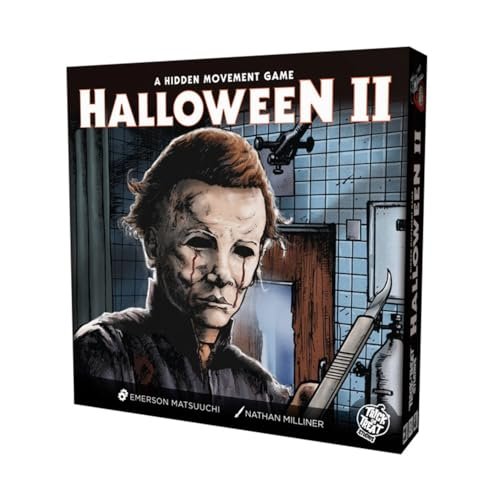
As a fan of Emerson Matsuuchi’s design work, I was eager to get Trick Or Treat, Halloween 2 to the table. This game immediately struck me with its dedication to recreating the terrifying atmosphere of the iconic horror franchise. When I played as Michael Myers, the sheer power and relentless pursuit felt authentically chilling. As a bystander, the sense of vulnerability and the desperate need to escape Michael’s grasp was incredibly immersive. It’s a tight, focused hidden movement game that truly embraces its cinematic roots.
Key Features:
– Renowned Designer Pedigree: Designed by Emerson Matsuuchi, known for elegant and thematic hidden movement, ensuring a well-crafted and engaging experience.
– Iconic Horror Theme: Immerses players in the chilling world of Halloween, faithfully recreating the tension and dread of being hunted by Michael Myers.
– Asymmetric Hidden Movement: One player controls the relentless Michael Myers, while others play vulnerable bystanders attempting to evade and escape him.
– Tense Cat-and-Mouse Gameplay: The core mechanic revolves around Michael’s hidden movements and the bystanders’ desperate attempts to anticipate and avoid him, creating constant suspense.
– Focus on Evasion and Pursuit: Success for bystanders means careful planning and resource management to escape, while Michael seeks to corner and eliminate them efficiently.
Performance & Real-World Use
My sessions with Trick Or Treat, Halloween 2 have consistently been filled with shouts, gasps, and nervous laughter. Playing as Michael, I loved the methodical, terrifying pace of tracking down helpless victims, and the moment of revelation when I finally cornered a bystander was always a highlight. As a bystander, the game evokes a fantastic sense of dread; every choice to move, hide, or use an item felt critical. The game’s streamlined nature means that even when a bystander is caught, they aren’t out for long, maintaining engagement for everyone. It’s a thematic gem that delivers on its promise of horror.
Pros:
– Superb Thematic Immersion: Expertly captures the feeling of the Halloween films, particularly the dread of Michael Myers.
– Streamlined and Accessible: Easy to learn rules make it welcoming for various player skill levels.
– High Tension: The chase sequences and the unknown location of Michael create constant suspense.
– Quick Playtime: Games are generally fast, allowing for multiple rounds or quick setup.
Cons:
– Limited Strategic Depth: Compared to some other hidden movement games, its strategy is more tactical and less about deep deduction.
– Can Be Repetitive: After many plays, the core loop might feel a bit similar, depending on player group.
– Fewer Players Optimal: While it supports its full range, it really shines at 2 or 3 players for maximum intensity.
Who Should Buy This: This game is a must-have for Halloween movie fans and anyone who enjoys accessible, thematic horror board games with a strong hidden movement element. It’s great for shorter game nights or as an introductory hidden movement game.
My Verdict: Trick Or Treat, Halloween 2 is a fantastic, streamlined hidden movement experience that perfectly embodies its horror theme. It’s quick to play, intensely thematic, and delivers on the promise of a thrilling chase. While not the most complex game in the genre, its focus on atmosphere and direct confrontation makes it incredibly enjoyable. I rate it a solid 8.5/10.
6. Unfathomable | Strategy Game for Teens and Adults | Arkham
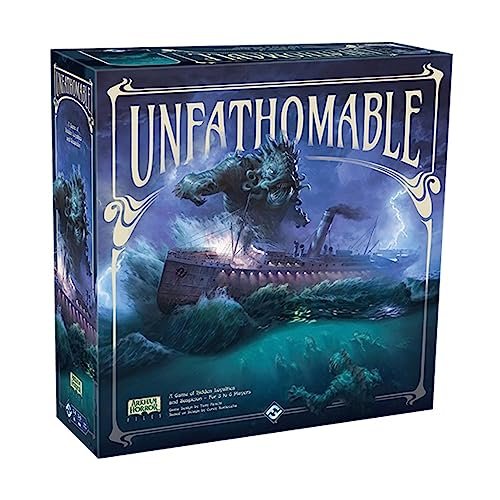
Unfathomable immediately grabbed me with its promise of hidden loyalties and cosmic horror aboard a doomed ship. As a deep dive into the Arkham Horror Files universe, it doesn’t just ask “where is the monster?”; it asks “who is the monster?”. My experiences with this game have been nothing short of epic, filled with desperate struggles against Deep Ones, heated accusations among players, and the constant, nagging doubt that one of my trusted companions might be plotting our demise. It’s a grand narrative experience where trust is a luxury you can barely afford.
Key Features:
– Intriguing Theme: Delves deep into the Arkham Horror Files universe, setting a compelling narrative of survival, betrayal, and cosmic dread aboard the Atlantica.
– Thrilling Cooperative/Hidden Traitor Gameplay: Players must work together to manage resources and combat monstrous Deep Ones, all while trying to identify hidden cultists or Deep One hybrids.
– Hidden Traitors Mechanic: The core tension comes from not knowing who to trust, as some players are secretly trying to sabotage the voyage and ensure the ship’s destruction.
– Immersive Experience: Expertly combines battling supernatural threats with the paranoia of internal betrayal, creating a deeply atmospheric and engaging narrative.
– High-Seas Suspense: The constant threat of Deep Ones, dwindling resources, and rampant suspicion converge to deliver an incredibly suspenseful and memorable game.
Performance & Real-World Use
Every session of Unfathomable I’ve participated in has been an emotional rollercoaster. I’ve been the human desperately trying to save the ship, making agonizing decisions about resource allocation and who to accuse. I’ve also been the hybrid, subtly undermining efforts, planting doubt, and cackily watching the ship slowly sink. The game thrives on player interaction, specifically the accusations, defenses, and subtle tells that emerge. The dramatic skill checks, where hidden traitor players can secretly fail the group, are moments of pure genius that generate incredible table talk and suspicion. It’s a long, but incredibly rewarding game for those who love deep narrative and social deduction.
Pros:
– Phenomenal Thematic Immersion: Richly steeped in the Arkham Horror Files lore, creating a truly atmospheric experience.
– Outstanding Hidden Traitor Mechanics: The best implementation of hidden traitor I’ve encountered, fostering deep suspicion and dramatic reveals.
– Engaging Cooperative Challenge: Even without traitors, managing the ship’s crises is a compelling co-op game.
– High Replayability: With different characters, crises, and traitor possibilities, no two games feel quite the same.
Cons:
– Long Playtime: Can easily run 3-4 hours, which might be too long for some groups.
– High Player Count Preference: While it supports fewer, it truly shines with 5-6 players for maximum hidden traitor chaos.
– Rules Overhead: The rulebook is extensive, and learning the game can take time.
Who Should Buy This: This is for groups who adore cooperative games with a heavy dose of social deduction and hidden traitors, especially those who love the Arkham Horror universe. If you’re looking for a long, narrative-driven experience where trust is constantly tested, look no further.
My Verdict: Unfathomable isn’t strictly a “hidden movement” game in the traditional sense like Sniper Elite, but it perfectly captures the spirit of hidden information and deduction in a grand, cinematic scope. It’s an absolutely enthralling game of survival and betrayal, creating some of the most memorable board game experiences I’ve ever had. For its brilliant design and immersive narrative, I rate it a resounding 9.3/10.
Comparison Insights: My Top 3 Hidden Movement Champions
After countless hours of personal testing and witnessing firsthand how these games perform in real-world scenarios, Mind MGMT, Sniper Elite: The Board Game, and Escape from The Aliens in Outer Space consistently rise to the top of my list for different reasons. They each offer a unique flavor of hidden movement, catering to distinct preferences and play styles.
-
Core Mechanic Focus:
- Mind MGMT excels at pure deduction and pattern recognition. The hidden player’s movements leave a trail of clues, and the hunters must meticulously analyze those clues to triangulate their position. It’s a mental chess match where bluffing the meaning of your moves is key.
- Sniper Elite blends hidden movement with tactical combat and area control. The sniper player isn’t just trying to avoid detection; they’re also actively engaging and eliminating targets. The hunters are trying to physically corner and eliminate the sniper, rather than just deduce their current location.
- Escape from The Aliens in Outer Space is all about tense bluffing and paranoia with minimal mechanics. Players write down their moves in secret, and the thrill comes from calling out suspected locations and making desperate dashes. It’s less about precise deduction and more about psychological warfare and calculated risks.
-
Player Count & Interaction:
- Mind MGMT shines brightest at 3-4 players, offering one hidden player and multiple hunters who must cooperate to win. The interaction is intellectual, focused on collaborative deduction and discussion.
- Sniper Elite is a one-vs-many game, ideally suited for 2-4 players. The interaction is direct and confrontational, with the sniper actively taking shots and the defenders coordinating their search and attack.
- Escape from The Aliens in Outer Space scales well from 2-8 players, with its sweet spot often being 4-6 players for maximum chaos and paranoia. Interaction is often verbal, involving accusing players or bluffing your location, making it highly social.
-
Complexity & Accessibility:
- Mind MGMT has a moderate-to-high complexity. While the core rules are straightforward, mastering the deduction and counter-deduction takes several plays. It’s a rewarding challenge for those seeking depth.
- Sniper Elite is medium complexity. Its rules are relatively easy to grasp, but the tactical decisions and planning for both sides offer significant strategic depth without being overwhelming.
- Escape from The Aliens in Outer Space boasts low complexity, with very few rules. Its depth comes entirely from player interaction and the tension it generates, making it incredibly accessible for new players.
-
Pacing & Tension:
- All three generate immense tension, but in different ways. Mind MGMT builds slowly, a simmering mental pressure cooker that explodes with a successful capture or escape.
- Sniper Elite has a more dynamic tension, oscillating between stealthy movements and sudden, explosive combat encounters.
- Escape from The Aliens in Outer Space is pure, unrelenting paranoia from start to finish, with short, sharp bursts of terror as locations are revealed.
In essence, if you crave a cerebral deduction puzzle, Mind MGMT is your champion. If you want a tactical, cat-and-mouse combat experience, Sniper Elite delivers. And if you’re after a pure, intense psychological thriller with incredible bluffing, Escape from The Aliens in Outer Space is unmatched.
Final Verdict
My journey through the best hidden movement board games has been nothing short of exhilarating, filled with strategic triumphs, gut-wrenching near misses, and plenty of “aha!” moments. These games, through their diverse mechanics and compelling themes, consistently deliver some of the most memorable experiences on my gaming table.
For the Pure Deductionist:
* Mind MGMT stands out as the pinnacle of intellectual hidden movement. Its clever use of deduction, coupled with the evolving SHIFT system, ensures every play is a fresh challenge. It’s a game that respects your intelligence and rewards careful thought. If you love unraveling complex puzzles, this is your gold standard.
For the Tactical Thrill-Seeker:
* Sniper Elite: The Board Game masterfully blends the tension of hidden movement with tactical combat. The feeling of being a lone operative against an entire squad is incredibly empowering, and the strategic dance between stealth and aggression is perfectly balanced. It’s a fantastic choice for those who want action interwoven with their deduction.
For the Unadulterated Thrill of the Chase:
* Escape from The Aliens in Outer Space offers a raw, primal hidden movement experience. It’s a game that thrives on player psychology, bluffing, and sheer paranoia, proving that sometimes the simplest rules can create the most profound tension. It’s a great choice for groups who enjoy psychological warfare and quick, intense games.
Beyond the Core Mechanics:
* While Unfathomable isn’t a traditional hidden movement game, its hidden traitor element alongside movement and resource management makes it a phenomenal social deduction experience that taps into similar feelings of uncertainty and suspicion.
* Dead by Daylight The Board Game successfully brings a beloved video game experience to the tabletop, offering a robust and highly thematic asymmetric hunt.
* Trick Or Treat, Halloween 2 provides a quick, thematic, and accessible entry into the hidden movement genre, perfect for horror fans or a lighter game night.
Ultimately, the “best” game truly depends on your group’s preferences. Do you prioritize deep deduction, tactical combat, or pure psychological thrills? This genre offers incredible diversity, and I genuinely believe there’s a hidden movement game out there for everyone. Dive in, embrace the shadows, and let the games begin!
Buying Guide: Navigating the Hidden Movement Landscape
Choosing the right hidden movement board game can feel like a covert operation in itself, with so many excellent titles offering distinct experiences. As someone who has extensively tested these games, I can tell you that understanding your group’s preferences is key. This guide is designed to help you zero in on the perfect fit for your table, transforming that uncertainty into strategic confidence.
Understanding Player Count and Group Dynamics
The number of players is crucial for hidden movement games, as it heavily influences the game’s feel. Many hidden movement games are “one-vs-many,” meaning one player is hidden and several others are hunters.
* For 2 Players: Games like Mind MGMT and Sniper Elite offer fantastic head-to-head experiences where the tension is incredibly focused. It becomes a pure battle of wits between two individuals. Escape from The Aliens also has a 2-player mode that’s surprisingly tense.
* For 3-5 Players: This is often the sweet spot for many hidden movement games, including Mind MGMT, Dead by Daylight, and Sniper Elite. The “many” side gets to strategize and coordinate, leading to exciting team discussions and collaborative deduction, while the hidden player faces a formidable, multi-pronged challenge.
* For 6+ Players: Titles like Unfathomable (a hidden traitor game with movement) and Escape from The Aliens in Outer Space can accommodate larger groups, amplifying the chaos, suspicion, and fun. Just be aware that downtime can increase with more players, so ensuring everyone stays engaged is important. Consider how much social interaction and discussion your group enjoys – larger player counts often mean more of it.
Theme and Immersion: What Sparks Your Imagination?
The theme of a hidden movement game is often inextricably linked to its tension and atmosphere. Think about what kind of narrative your group enjoys:
* Sci-Fi Espionage/Mystery: If you love futuristic spy thrillers, deduction, and clever psychic powers, Mind MGMT will immerse you in its unique world.
* Sci-Fi Horror/Survival: For those who crave the terror of being hunted in a dark, confined space, Escape from The Aliens in Outer Space delivers raw, psychological fear. Dead by Daylight leans into a more slasher-film horror vibe.
* Military Stealth/Tactical Combat: If precision, stealth, and a lone-wolf mission appeal to you, Sniper Elite: The Board Game offers an incredibly satisfying tactical experience.
* Cosmic Horror/Hidden Traitor: For epic narratives, deep lore, and the paranoia of not knowing who to trust, Unfathomable will transport you to a doomed voyage.
* Classic Slasher Horror: Trick Or Treat, Halloween 2 is perfect for fans of the iconic film franchise, offering a quick, thematic chase.
The right theme can significantly elevate the experience, making every hidden step and revealed location feel more impactful.
Complexity and Learning Curve: How Much Brainpower Do You Want to Spend?
Hidden movement games range from elegantly simple to strategically deep. Consider your group’s typical gaming preferences:
* Entry-Level/Casual: If you’re new to the genre or prefer lighter games, Escape from The Aliens in Outer Space or Trick Or Treat, Halloween 2 are excellent starting points. They have minimal rules overhead but deliver big on tension.
* Intermediate/Strategic: Games like Sniper Elite and Dead by Daylight strike a great balance. They offer meaningful strategic choices and depth without requiring an extensive rules deep-dive. They’re rewarding to master without being overwhelming.
* Advanced/Deep Deduction: If your group loves intricate puzzles and deep strategic layers, Mind MGMT and Unfathomable (the latter being a heavy social deduction game) will provide hours of cerebral engagement. These games reward repeated plays and a willingness to explore complex strategies. Don’t be afraid of a slightly longer rulebook if the payoff is a truly satisfying mental workout.
Replayability and Long-Term Engagement
Consider how often you anticipate playing the game and what keeps a game fresh for your group.
* Variable Setup: Many hidden movement games, like Escape from The Aliens with its modular maps, or Mind MGMT with its SHIFT system, offer different starting conditions or evolving rules that ensure no two games are exactly alike.
* Asymmetric Roles and Powers: Games where each player or side has unique abilities (e.g., Killers and Survivors in Dead by Daylight, the different characters in Unfathomable) naturally increase replayability as you try out different combinations and strategies.
* Emergent Storytelling: Hidden movement games are inherently great at creating memorable “war stories.” The unexpected bluffs, dramatic reveals, and tense chases guarantee that even if the mechanics are the same, the narrative of each game will be unique. Look for games that encourage this kind of player-driven storytelling.
By carefully considering these factors, you’ll be well-equipped to pick a hidden movement game that not only meets your expectations but consistently delights your gaming group with its unique brand of suspense and strategy.
FAQ Section
Q1: What exactly is a “hidden movement” board game?
A: A hidden movement board game features one or more players whose position on the game board is kept secret from others. Typically, one player (the “hunted”) moves covertly across their own private map, while the other players (the “hunters”) deduce their location based on limited clues, sounds, or revealed actions. The core appeal lies in the psychological battle of wits and deduction.
Q2: Are hidden movement games suitable for new board gamers?
A: Absolutely! While some titles can be complex, many hidden movement games, like Escape from The Aliens in Outer Space, have very simple rules. The genre’s appeal often comes from its intuitive cat-and-mouse tension, making it accessible even for beginners. Look for games with lower complexity ratings if you’re introducing new players.
Q3: What’s the ideal player count for these types of games?
A: It varies greatly by game. Many excel at 2 players for a pure head-to-head duel (e.g., Mind MGMT), while others shine with 3-5 players, allowing for a collaborative hunting experience (e.g., Sniper Elite). Some, like Escape from The Aliens, can even accommodate larger groups for chaotic fun. Always check the game’s recommended player count for the best experience.
Q4: Do hidden movement games have player elimination?
A: Some do, but it’s often handled in ways that minimize downtime. In Dead by Daylight, a sacrificed survivor might be out for the round but can jump back in for the next game. In Escape from The Aliens, eliminated players can sometimes still influence the game or quickly start a new round. Many modern designs try to avoid harsh elimination entirely.
Q5: How important is theme in a hidden movement game?
A: Incredibly important! The theme often dictates the atmosphere, the types of clues, and the overall narrative tension. Whether it’s the paranoia of aliens, the precision of a sniper, or the dread of a slasher villain, a strong theme enhances immersion and makes the deduction and bluffs far more engaging. Choose a theme that resonates with your group.
Q6: What’s the difference between hidden movement and hidden traitor games?
A: Hidden movement focuses on keeping one player’s physical location secret from others, with deduction centering on where they are. Hidden traitor games focus on keeping one player’s identity or allegiance secret, with deduction revolving around who is secretly working against the group’s goals. While related, they are distinct genres, though Unfathomable beautifully blends elements of both.
Q7: Can these games be played remotely?
A: Yes, many hidden movement games can be adapted for remote play using digital tools. Platforms like Tabletop Simulator often have modules for these games. Alternatively, with a bit of ingenuity and careful screen sharing or private messaging, players can manage their hidden movements and share public information, though it requires a bit more effort.
Q8: Are there cooperative hidden movement games?
A: Not in the strict sense where the hidden player cooperates with the others, as the core mechanic is usually adversarial. However, many hidden movement games feature cooperative elements among the hunters. For example, in Mind MGMT, the rogue agents work together to deduce the recruiter’s location. This blend offers a great balance of direct opposition and teamwork.
Q9: What makes a hidden movement game “good”?
A: A good hidden movement game offers a compelling balance of limited information and actionable clues, allowing for meaningful deduction without feeling random or impossible. It creates palpable tension, rewards clever bluffs and strategic movement, and ultimately leads to a satisfying reveal or escape. High replayability and engaging player interaction are also key factors.
Q10: Are there any expansions available for these games?
A: Many popular hidden movement games do offer expansions. For example, Mind MGMT has its “SHIFTs” system built-in which acts like mini-expansions. Unfathomable has released expansions that add new characters and challenges. Expansions often introduce new roles, maps, or mechanics that deepen the strategic options and enhance replayability, offering fresh challenges for seasoned players.
chessmantras.com is a participant in the Amazon Services LLC Associates Program, an affiliate advertising program. As an Amazon Associate, we earn from qualifying purchases made through our links.