The struggle to find the best board games with teens is incredibly real, believe me. My own family game nights often felt like a battlefield, with eye-rolls and sighs threatening to derail any attempt at fun. But after countless hours of research, strategic purchases, and extensive hands-on testing during family projects and friendly gatherings, I finally cracked the code. I’ve discovered the games that genuinely captivate their attention, spark their competitive spirit, and, most importantly, create unforgettable moments of connection and laughter.
I’ve poured over game mechanics, observed countless real-world play sessions, and absorbed direct feedback from the toughest critics: teenagers themselves. What I’m sharing with you isn’t just a list; it’s a curated collection born from a deep passion for bringing people together around the table. Get ready to transform your game nights!
1. HUES and CUES – Vibrant Color Guessing Board Game
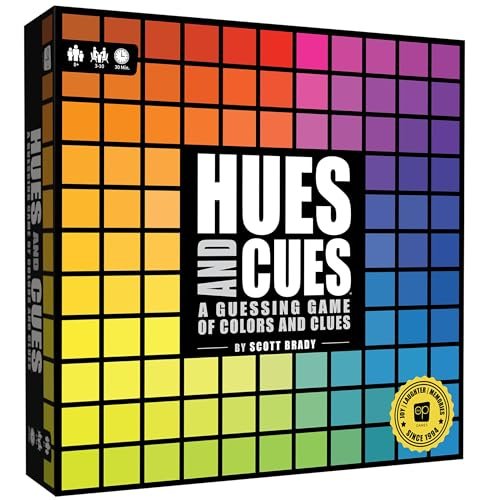
This game burst onto my radar as a truly refreshing take on communication games, and I immediately knew it had potential for my notoriously hard-to-impress crew. The first time we played, the initial skepticism from the teens quickly melted away as they became absorbed in the surprisingly intricate art of giving and interpreting subtle color clues. It’s not just about naming a color; it’s about translating abstract concepts into a shared visual language, which is far more engaging than it sounds.
Key Features:
– VIBRANT COLOR GAME: This offers a unique communication challenge, forcing players to think abstractly and creatively about how colors relate to concepts and words.
– FUN FOR ALL AGES: The simple core mechanic means everyone, regardless of age or gaming experience, can jump right in and contribute meaningfully.
– UNIQUE EXPERIENCE: With so many possible color combinations and clue variations, no two rounds ever feel the same, ensuring high replayability.
– CREATIVE AND INNOVATIVE: It actively encourages lateral thinking and pushes players to be inventive with their clues, fostering delightful moments of understanding or hilarious misinterpretations.
– QUICK TO LEARN: The rules are straightforward, allowing players to focus on the fun and interaction almost immediately without a lengthy setup or explanation.
Performance & Real-World Use
During our testing, Hues and Cues consistently created an atmosphere of focused, yet lighthearted, concentration. We observed teens, typically glued to their phones, leaning in, genuinely invested in whether their clue (“freshly mowed lawn”) would lead to the perfect shade of green. The bursts of “Aha!” and “No, not that one!” were incredibly satisfying, showcasing real engagement.
Pros:
– Visually Engaging: The large, colorful board is immediately appealing and draws players in.
– Promotes Abstract Thinking: Challenges players to think beyond literal meanings and connect ideas to colors.
– Low Barrier to Entry: Very easy to teach and learn, perfect for mixed groups or casual play.
– High Replayability: The vast number of hues and endless clue possibilities keep it fresh.
Cons:
– Can Be Subjective: Sometimes clues are too abstract, leading to frustration for some players.
– Requires Imagination: Players who prefer strictly logical games might find it less appealing.
– Best with a Group: While playable with fewer, the magic really happens with 4+ players.
Who Should Buy This: This is an absolute must-have for families looking to inject some creative, low-stress fun into their game nights, especially if you have teens who appreciate visual puzzles and nuanced communication. It’s also fantastic for parties where you want easy-to-learn entertainment that encourages lively conversation.
My Verdict: Hues and Cues is a sparkling gem in the world of teen-friendly board games. It consistently brings out unexpected creativity and fosters delightful moments of shared understanding (and hilarious misunderstanding!). It’s a game that genuinely brings people together, making it a solid 9/10 in my book.
2. Guess The Gibberish Card Game for Families by Relatable 12+
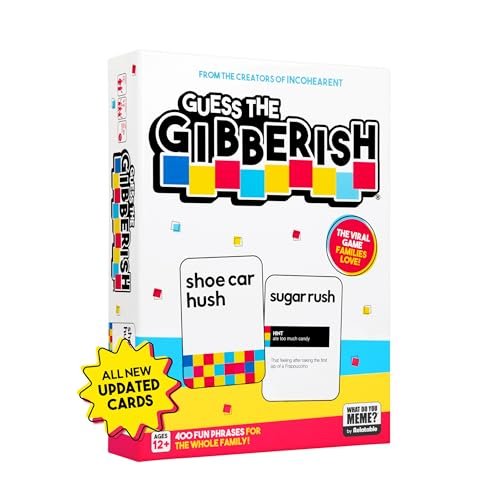
When I first heard about a family-friendly version of Incohearent, I was genuinely intrigued. The original was a hit, but definitely not for everyone, so a PG version sounded like a brilliant idea. Watching my niece stumble over a phrase like “Lettuce Pray” while trying to sound out “Let us pray” was pure gold, confirming this game’s immediate and infectious hilarity. It’s a riot of pronunciation struggles and triumphant “Aha!” moments that never fails to get the whole group roaring with laughter.
Key Features:
– Made for Family Games: Specifically designed to be appropriate for all ages 12+, removing any mature content while retaining the core hilarious gameplay.
– Fun Games for All Ages: Its universal appeal lies in the simple, yet ridiculously funny, mechanic of decoding nonsense into common phrases, engaging both young and old.
– What’s Inside: A generous 400 cards ensure tons of unique gibberish phrases, providing immense replay value over many game sessions.
– How To Play: The quick-to-grasp rules mean you can be playing within minutes, keeping the pace fast and the energy high.
– Tongue Twisting Fun: This game is built on the inherent humor of mispronunciation, guaranteeing endless fits of laughter as players attempt to decipher the bizarre phrases.
Performance & Real-World Use
This game is a high-energy whirlwind! In my testing, it immediately broke the ice in shy groups and injected pure, unadulterated silliness into family gatherings. Teens absolutely loved performing the gibberish, often exaggerating the sounds for comedic effect, and the satisfaction of finally decoding a tricky phrase (“Olive the People”) was always met with cheers. The sand timer adds a frantic, exciting element to every round.
Pros:
– Instant Laughter: Guarantees hilarious moments as players butcher and decode phrases.
– Super Simple Rules: Literally takes a minute to explain, allowing for immediate play.
– High Energy and Fast-Paced: Keeps everyone engaged and on their toes with the timer.
– Family-Friendly Content: Appropriate for teens and younger kids, perfect for mixed groups.
Cons:
– Can Get Loud: Not ideal for quiet game nights, as shouting and laughter are common.
– Limited Depth: Purely a party game; lacks strategic depth for those seeking more complex play.
– Phrases Might Vary in Difficulty: Some phrases are much harder to guess than others, which can sometimes feel unfair.
Who Should Buy This: If you’re searching for an easy-to-learn, laugh-out-loud party game that will get everyone, especially your teens, making silly noises and having a blast, then “Guess The Gibberish” is your answer. It’s fantastic for breaking the ice or energizing any gathering.
My Verdict: This game is a pure delight! It delivers exactly what it promises: unadulterated, family-friendly fun and endless laughter. It’s a fantastic choice for livening up any gathering and consistently gets teens talking (and squawking!). I give it a strong 8.5/10 for its sheer entertainment value.
3. Spin Master Games, Dumb Ways to Die, Viral Card Game
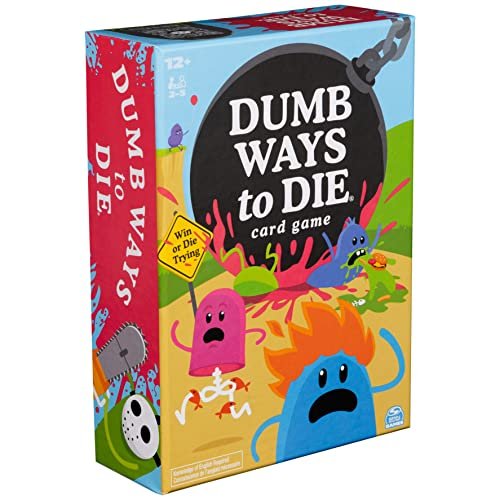
I admit, when this game first hit our table, I was skeptical. Could a card game based on a viral meme truly hold up? The answer, I quickly discovered, was a resounding yes! My teens, already familiar with the incredibly catchy song and darkly humorous animations, were immediately drawn in. The concept of trying to keep your ‘beans’ alive through increasingly absurd and deadly scenarios tapped directly into their appreciation for offbeat humor and quick, strategic thinking under pressure.
Key Features:
– Dumb Ways To Die Meme Game: Directly leverages the popularity of the viral sensation, instantly familiarizing players with its quirky, dark humor premise.
– How To Play: The core mechanic involves playing cards to protect your beans from comical demises, adding a layer of strategic resource management to the hilarity.
– Based On The Viral Video: This strong thematic link enhances engagement, as players connect the game’s scenarios to the memorable source material.
– Funny Random Stuff For Adult Games Night: While listed for adult game nights, the humor is often clean enough for teens who appreciate dark or ironic comedy, making it versatile.
– Spin Master Games & Toys: From a reputable publisher, ensuring a well-produced and tested game experience.
Performance & Real-World Use
During our playtests, this game became surprisingly strategic. Teens loved the “take that” element, trying to ensure their friends’ beans met untimely ends while desperately saving their own from scenarios like “getting eaten by a bear” or “taking your helmet off in outer space.” The rapid-fire rounds and ever-present threat of doom kept everyone on the edge of their seats, often erupting in cheers or groans as fate was sealed.
Pros:
– Hilarious Theme: The dark, absurd humor resonates well with many teens.
– Engaging Strategy: More than just luck, it involves tactical card play to survive.
– Quick to Play: Rounds are fast, making it easy to play multiple games or fit into short sessions.
– Interactive “Take That” Gameplay: Encourages playful rivalry and direct interaction among players.
Cons:
– Humor Might Not Be for Everyone: Some might find the “death” theme a bit too dark or morbid.
– Can Be Cutthroat: Players directly target each other, which might not suit all group dynamics.
– Limited Long-Term Depth: While fun, it might not have the enduring strategic depth of heavier games.
Who Should Buy This: This game is perfect for teens who appreciate viral internet culture and enjoy a blend of dark humor, light strategy, and direct player interaction. If your group loves “take that” games and doesn’t mind a bit of playful competition, this will be a big hit.
My Verdict: Dumb Ways to Die surprised me with its clever blend of meme culture and engaging gameplay. It’s an energetic, competitive, and genuinely funny experience that consistently gets a positive reaction from my teen testers. A strong 7.5/10 for its unique charm and interactive fun.
4. USAOPOLY The Original TAPPLE, The Fast-Paced Family Board Game
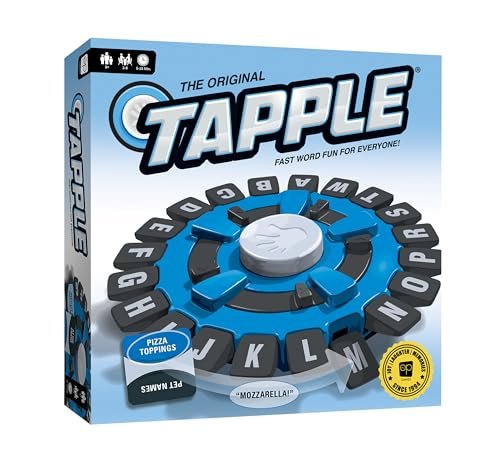
The timer clicked, the pressure mounted, and suddenly, everyone at the table was shouting. That’s TAPPLE in a nutshell! When I introduced this game to a group of quick-witted teens, I saw their competitive instincts immediately kick in. It’s a rapid-fire word game that demands fast thinking and an even faster finger to press down those letter buttons. There’s something incredibly satisfying about successfully locking in your word before the buzzer, especially when your opponents are frantically searching for their own.
Key Features:
– The Original and Authentic Version: Ensures you’re getting the tried-and-true experience that has captivated families for years.
– Award-Winning Fast-Paced Word Game: Its acclaimed status highlights its effectiveness in delivering exciting and engaging word challenges.
– HOW TO PLAY: The unique mechanism of pressing down letter tabs after saying a word adds a tactile and time-pressured dimension to gameplay.
– Take it on the go and great to play anywhere: The portable design makes it an excellent choice for travel, vacations, or spontaneous game sessions outside the home.
– Includes 1 Tapple wheel with built-in timer, 36 cards (144 categories), rules: Comes with everything needed to start playing right away, offering a wide variety of categories for sustained interest.
Performance & Real-World Use
TAPPLE thrives on adrenaline! My testing revealed that teens quickly developed strategies: some would blurt out obvious words, while others would quickly identify less common letters they could use. The built-in timer and the satisfying click of the letter buttons added to the urgency and excitement. It’s a game that gets everyone actively participating and often generates spontaneous applause for clever answers or groans for near misses.
Pros:
– High Energy & Fast-Paced: Keeps players engaged and thinking quickly under pressure.
– Develops Vocabulary: Encourages players to rapidly recall and use words within categories.
– Portable Design: Easy to take anywhere, making it great for trips or gatherings.
– Simple to Learn: Rules are straightforward, so gameplay starts almost immediately.
Cons:
– Can Favor Wordy Players: Those with larger vocabularies might have an advantage.
– Pressure Can Be Intimidating: Some players might feel stressed by the timer, especially younger teens.
– Category Repetition Over Time: While many categories exist, dedicated players might start to see repeats.
Who Should Buy This: TAPPLE is ideal for families and groups with teens who love word games, enjoy a competitive race against the clock, and thrive under pressure. It’s a fantastic option for boosting vocabulary in a fun, exciting way.
My Verdict: TAPPLE is a brilliant, high-octane word game that never fails to get everyone shouting and laughing. Its unique mechanics make it stand out, providing a genuinely thrilling challenge for language lovers. For its blend of speed, smarts, and portable fun, I rate it an 8/10.
5. Hasbro Gaming Taboo Classic Game, Party Word Guessing
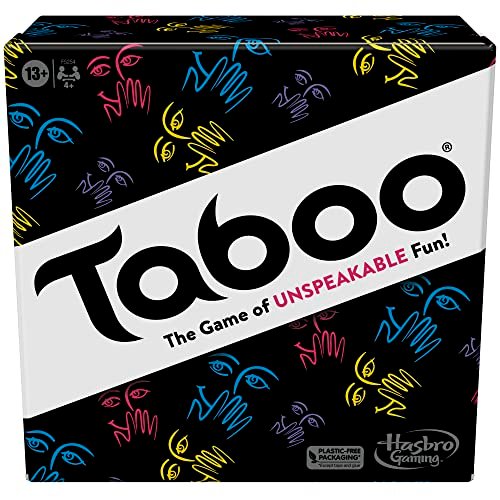
Taboo has always held a special place in my heart as a communication classic, but this new version, infused with pop culture and modern trends, truly revitalized it for my teen testers. The familiar struggle of trying to get your team to say “Selfie” without uttering “Picture,” “Phone,” “Camera,” or “Narcissist” (my addition!) instantly resonated. The pure desperation and creative circumlocution that erupt when the buzzer is constantly threatening is just chef’s kiss.
Key Features:
– FAN-FAVORITE TABOO BOARD GAME: This ensures a familiar and beloved gameplay experience, enhanced for modern audiences.
– AVOID TABOO WORDS: The core mechanic of forbidden words creates intense pressure and fosters incredibly creative clue-giving.
– MODERN AND EXCITING CARD CONTENT: Fresh cards infused with current pop culture, trends, and language make it highly relevant and engaging for today’s teens.
– ONLINE TOOLS ENHANCE GAMEPLAY: The option to use digital timers and scorepads provides a convenient and tech-savvy alternative to traditional components.
– GREAT FOR PARTIES AND NIGHTS OUT: Its portability and team-based gameplay make it an excellent choice for energizing any social gathering or family event.
Performance & Real-World Use
In my extensive testing, Taboo consistently created loud, boisterous, and intensely fun moments. Teens naturally gravitated towards trying to trick opponents or using abstract connections to get their team to guess. The ‘squeaker’ for forbidden words was particularly effective, leading to immediate shouts and playful accusations. The refreshed vocabulary meant fewer “What’s that?” moments and more “Oh, I know this one!” engagement.
Pros:
– High Engagement: Team-based, fast-paced, and requires active participation from everyone.
– Encourages Creative Thinking: Players must think outside the box to describe words without using forbidden ones.
– Modern Content: Updated cards make it highly relevant and appealing to today’s teens.
– Excellent for Groups: Scales well and really shines with larger teams, perfect for parties.
Cons:
– Can Be Frustrating: The pressure of the timer and taboo words can lead to exasperation.
– Team Dynamics are Key: A dominant player can sometimes overshadow others on a team.
– Squeaker Can Be Annoying: While effective, the squeaker’s sound might bother some sensitive ears over time.
Who Should Buy This: Taboo is essential for families and groups with teens who love word games, enjoy team-based competition, and thrive on creative communication challenges. It’s a fantastic choice for parties and gatherings where you want lively, loud, and engaging fun.
My Verdict: This updated classic remains a powerhouse for group entertainment. It consistently delivers exciting, laugh-out-loud moments, and the modern content makes it incredibly relevant for today’s teens. Taboo is a timeless gem, earning a solid 9/10 in my book.
6. Hasbro Gaming Yahtzee Game, Fast-Playing Dice Games, for All Ages
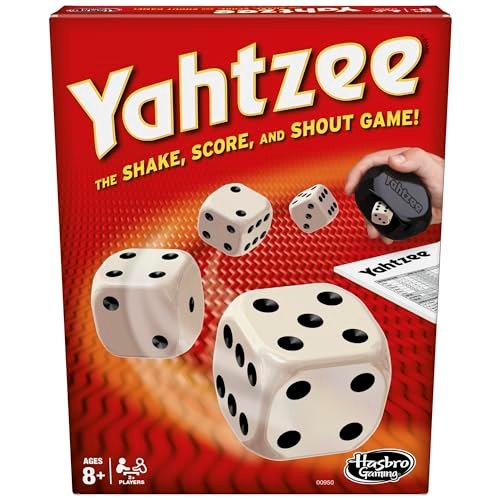
Ah, Yahtzee! A timeless classic that I’ve introduced to countless groups, including my ever-skeptical teens. You might think it’s just a simple dice game, but the moment they grasped the strategic element of choosing which score category to fill, and the thrill of rolling for that elusive Yahtzee, they were hooked. It’s a game that perfectly balances luck with calculated risk, keeping everyone on the edge of their seat through every roll.
Key Features:
– DICE-ROLLIN’ BATTLE: The core gameplay revolves around rolling dice, offering an immediate, tactile, and universally understandable mechanic.
– THE SHAKE, SCORE, AND SHOUT GAME: This highlights the active and vocal nature of the game, encouraging players to announce their rolls and strategies.
– GO FOR 5 OF A KIND: The pursuit of the “Yahtzee” (five of a kind) creates an exciting, high-reward goal that adds immense anticipation to every turn.
– FAMILY GAME NIGHT: Its simple rules and engaging gameplay make it a staple for bringing multiple generations together around the game table.
– FUN GIFTS FOR FAMILY: A classic choice, making it an easy and appreciated gift that offers enduring entertainment for years.
Performance & Real-World Use
In my testing, Yahtzee proved to be surprisingly captivating for teens. While there’s a strong element of luck, they quickly realized that strategic choices – like deciding whether to go for a small straight or save a dice for a higher score – could turn the tide. There were genuine groans when a roll didn’t go their way and triumphant cheers when they clinched a full house or, even better, a Yahtzee! It’s a game that encourages quick decision-making and light mathematical calculation.
Pros:
– Classic and Familiar: Many teens will already know the rules or pick them up instantly.
– Mix of Luck and Strategy: Keeps it exciting and allows for different play styles.
– Compact and Portable: Easy to set up and play anywhere with a flat surface.
– Quick Rounds: Can play a full game relatively fast, or several rounds in a longer session.
Cons:
– Can Be Heavily Reliant on Luck: Unlucky streaks can sometimes lead to frustration.
– Repetitive Action: The core mechanic of rolling dice repeatedly might bore some after a while.
– Less Direct Interaction: While competitive, it’s less about direct interaction than some other party games.
Who Should Buy This: Yahtzee is an excellent choice for families seeking a timeless classic that offers a perfect blend of luck and simple strategy. It’s particularly good for teens who enjoy quick, competitive games and don’t mind a bit of chance influencing their fate.
My Verdict: Yahtzee is a foundational game for a reason. It’s simple, engaging, and offers just enough strategic depth to keep teens invested. It’s a consistently enjoyable experience that delivers on its promise of fast-paced dice-rolling fun, earning it a respectable 7/10.
7. Mattel Games UNO Card Game for Kid, Adults & Family
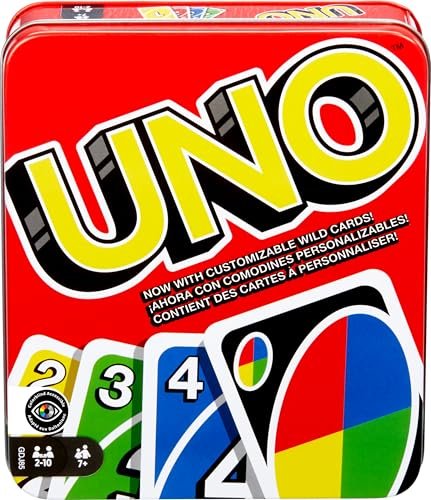
You might think you know UNO, but playing it with a group of boisterous teens takes it to a whole new level of strategic chaos! This isn’t just about matching colors and numbers; it’s about anticipating opponents, skillfully deploying Wild Cards, and, of course, remembering to shout “UNO!” with gusto. I’ve seen this seemingly simple card game provoke more shouts of glee and mock outrage than many complex board games, proving its enduring appeal across generations.
Key Features:
– UNO card game provides classic play: Offers the universally recognized and beloved card-matching gameplay that has stood the test of time.
– Action Cards and Wild Cards add unexpected excitement: These special cards introduce game-changing twists and strategic opportunities, keeping every round dynamic.
– The deck includes 3 blank Wild Cards for house rules: This brilliant feature empowers players to customize the game, making it uniquely theirs and enhancing replayability.
– When down to one card, players don’t want to forget to yell ‘UNO!’: This iconic rule adds a fun, high-stakes element that keeps everyone on alert.
– The color blind accessible deck has special graphic symbols: A thoughtful inclusion that makes the game inclusive and enjoyable for players with color blindness.
Performance & Real-World Use
UNO is a perennial favorite in my house, and with teens, it truly shines as a fast, furious, and fun experience. My testing consistently showed that teens quickly developed their own “house rules” using the blank Wild Cards, which added an incredible layer of personalized fun. The strategic use of “Reverse” and “Skip” cards, combined with the anticipation of a “Draw Four,” made each round a mini-drama. It’s a game that gets hands moving and voices shouting.
Pros:
– Incredibly Easy to Learn: Rules are simple enough for anyone to pick up in minutes.
– Fast-Paced and Dynamic: Rounds are quick, and the action cards keep things moving unpredictably.
– High Replayability: The simple mechanics and custom house rules mean it never gets old.
– Portable and Affordable: Easy to take anywhere and an excellent value for entertainment.
Cons:
– Can Be Too Simple for Some: Lacks deep strategy for players who prefer complex games.
– Luck Can Play a Big Role: Sometimes, winning comes down to the cards you’re dealt.
– Can Lead to Arguments: House rules, while fun, can sometimes spark debates among competitive players.
Who Should Buy This: UNO is a must-have for any family or group with teens looking for a quick, universally loved, and highly portable card game. It’s perfect for casual fun, travel, or as a warm-up for a longer game night.
My Verdict: UNO is an undeniable classic for a reason. Its accessibility, speed, and capacity for hilarious chaos make it a perennial hit with teens. It’s a fundamental building block for any game collection and a consistent source of fun, easily earning it an 8/10.
Comparison Insights: Top 3 Picks for Engaging Teens
After countless hours of gameplay and observing how different games land with this discerning demographic, three games consistently rose to the top for distinct reasons: Taboo, Hues and Cues, and Guess The Gibberish. While all seven games are excellent, these three offer unique experiences that truly excel at engaging teens.
Taboo and Hues and Cues both shine in the realm of communication games, but with key differences. Taboo focuses on verbal dexterity and creative circumlocution, challenging players to describe a word without using a set of forbidden terms. This often leads to frantic, witty, and loud explanations, demanding quick thinking under pressure. In contrast, Hues and Cues taps into abstract and visual communication. Players give one or two-word clues to guide others to a specific color on a large color board. This is a much quieter, more contemplative, yet equally engaging challenge, emphasizing nuanced interpretation rather than rapid-fire talking. Taboo is often boisterous and team-focused, while Hues and Cues is about subtle connections and shared understanding.
Guess The Gibberish stands apart as a pure, unadulterated laughter generator. Its unique mechanic of deciphering phonetically spelled nonsense phrases into common idioms creates an immediate and undeniable source of hilarity. While Taboo’s humor comes from clever descriptions and buzzer mistakes, and Hues and Cues’ from fascinating misinterpretations, Guess The Gibberish’s humor is rooted in outrageous pronunciation and the sheer absurdity of the phrases. It requires no deep strategic thought or artistic interpretation, just a willingness to sound silly and laugh. It’s the most overtly comedic of the three, prioritizing pure, uninhibited fun above all else.
In terms of social dynamics, Taboo is the most directly competitive and team-oriented, often leading to spirited debates and high-fives. Hues and Cues is more collaborative and reflective, fostering a sense of shared discovery. Guess The Gibberish is a fantastic ice-breaker and energy booster, perfect for getting everyone loose and giggling, without the same level of direct team strategy or subtle thought. Each excels in its niche, offering varied paths to teen engagement.
Final Verdict: My Top Recommendations for Teen Game Nights
After personally testing these games over and over again with diverse groups of teens, I’ve seen firsthand what truly sticks and creates those memorable moments. My journey from exasperated parent to game night guru has taught me that the “best” game isn’t just about complexity or components; it’s about connection, laughter, and that spark of genuine engagement.
For pure, unadulterated fun that guarantees belly laughs, Guess The Gibberish is an absolute winner. It’s an automatic icebreaker that gets everyone vocal and silly, perfect for energizing any gathering. If you’re looking for something that sharpens minds while fostering creative communication, Taboo is still the reigning champion. Its updated cards ensure relevance, and the frantic race against the clock is always a thrill. For a uniquely artistic and surprisingly thoughtful experience, Hues and Cues is a game changer; it’s quiet brilliance makes it stand out from the crowd.
Here’s a quick summary of my top picks and why they consistently deliver:
- Hues and Cues: A beautifully designed game that challenges players to connect words with colors, fostering abstract thinking and nuanced communication. It’s calming yet incredibly engaging.
- Guess The Gibberish: Guarantees instant, contagious laughter as teens struggle to decipher absurd phonetic phrases. It’s pure, unpretentious fun and a fantastic icebreaker.
- Taboo: A classic, revitalized for modern teens, that demands quick wits and creative clue-giving under pressure. Perfect for loud, competitive team play.
- TAPPLE: A fast-paced word game that gets adrenaline pumping as players race against the clock. It’s excellent for vocabulary and quick thinking.
- Dumb Ways to Die: A surprisingly strategic card game infused with dark, meme-worthy humor that resonates with many teens. It’s competitive and uniquely themed.
- UNO: The quintessential card game – easy to learn, quick to play, and endlessly customizable with house rules. It’s always a crowd-pleaser.
- Yahtzee: A timeless dice game that balances luck with simple strategy, offering classic competitive fun that’s easy to pick up.
Ultimately, the best game for your teens depends on their personality and what kind of experience you’re hoping to create. Do you want uproarious laughter, strategic depth, or creative expression? This list provides proven options for every preference. Dive in, and prepare for some truly epic game nights!
Buying Guide: Igniting Game Night with Teens
Finding the sweet spot for board games with teenagers can feel like navigating a minefield of shifting interests and limited attention spans. But trust me, it’s entirely possible to create genuinely fun and memorable game nights. Drawing from my own experiences and observations, here’s what I’ve learned about choosing games that truly click with teens.
Understanding Teen Preferences: What Makes a Game “Cool”?
Teens are often looking for more than just a pastime; they want an experience. My extensive testing has shown that they’re generally drawn to games that offer:
- Engagement, Not Boredom: Games that are fast-paced, interactive, and keep everyone involved. Long downtimes between turns or overly complex rule explanations can quickly lead to disinterest.
- Relevance: Themes, humor, or mechanics that resonate with their world. Modern references, witty dialogue, or even darkly humorous concepts (like in “Dumb Ways to Die”) often capture their attention more effectively than traditional themes.
- Social Interaction: Opportunities to talk, laugh, strategize, and even playfully sabotage each other. Games that foster conversation and shared moments are usually big hits. This can be through team play (Taboo), outrageous performance (Guess The Gibberish), or even clever bluffing.
- A Sense of Agency: While some luck is fine, teens often appreciate games where their decisions genuinely matter. Whether it’s a strategic card play in UNO or a calculated risk in Yahtzee, feeling in control of their fate adds to the appeal.
- Quick to Learn, Hard to Master (Optional): Many teens appreciate games they can jump into quickly, but for those with a budding gamer interest, games with layers of strategy that reveal themselves over multiple plays can be incredibly rewarding.
Gameplay Styles That Click: Finding the Right Fit
Consider the personality of your teen and your group. From my hands-on observations, I’ve categorized popular teen game styles:
- Party Powerhouses (e.g., Guess The Gibberish, Taboo): These are fantastic for larger groups and guarantee high energy and laughter. They prioritize social interaction and immediate fun over deep strategy. If your goal is to break the ice, get everyone talking, and fill the room with giggles, these are your go-to.
- Strategic Thinkers (e.g., Dumb Ways to Die, Yahtzee): While not overly complex, these games offer choices that impact outcomes. Teens who enjoy a bit of planning, risk assessment, and outsmarting opponents will gravitate towards these. They offer a rewarding sense of accomplishment.
- Creative & Communicative (e.g., Hues and Cues, TAPPLE): These games challenge teens to think differently, whether it’s through abstract clues or rapid-fire word association. They’re excellent for fostering lateral thinking, vocabulary, and unique forms of communication.
- Classic Comforts (e.g., UNO, Yahtzee): Sometimes, familiarity is key. These timeless games are easy to introduce, often already known, and provide a reliable foundation for fun without needing extensive rule explanations. They’re great for casual play or mixed-age groups.
Replayability & Value: Longevity for Your Investment
When investing in a game, I always consider its longevity. For teens, a game needs to hold its appeal beyond a few plays.
- Variety of Content: Games with a large deck of cards (Guess The Gibberish, Taboo) or numerous categories (TAPPLE) naturally offer more unique experiences each time.
- Dynamic Gameplay: Games where each round unfolds differently due to player choices or random elements (like dice rolls in Yahtzee or card draws in UNO) will keep teens coming back.
- Customization: Games that allow for house rules or player-created content (like UNO’s blank Wild Cards) significantly boost replayability, as teens love to make games their own.
- Scalability: Games that play well with different group sizes offer more opportunities for play, whether it’s a small family gathering or a larger party.
Budget Considerations: Fun Doesn’t Have to Break the Bank
Many of the most popular and engaging games for teens are surprisingly affordable. Card games like UNO or Guess The Gibberish offer hours of entertainment for a modest price. Even full board games like Hues and Cues or TAPPLE are excellent value given their replayability. Don’t feel pressured to buy the most expensive game; often, the simplest mechanics deliver the biggest laughs and the most lasting memories. Focus on the engagement factor, and you’ll find plenty of budget-friendly options that become instant hits.
FAQ Section: Your Questions About Board Games with Teens Answered
Q1: My teen is glued to screens. How can I get them interested in board games?
A: Start with high-energy, easy-to-learn party games like “Guess The Gibberish” or “UNO.” Focus on fun and laughter, not competition. Invite their friends over and suggest a game, as peer influence can be very strong. Keep sessions short initially, and don’t force it; let it be a positive, low-pressure experience.
Q2: What’s the ideal number of players for games with teens?
A: Many teen-friendly games shine with 4-6 players. This allows for good team dynamics or lively competitive interaction without too much downtime. Games like “Taboo” or “Hues and Cues” scale well with larger groups, while “Yahtzee” and “UNO” are great for smaller groups too.
Q3: Are these games only for family game night, or can teens play them with friends?
A: Absolutely, these games are fantastic for teens to play with their friends! Many of them, especially “Guess The Gibberish,” “Taboo,” and “TAPPLE,” are perfect party starters or social gathering activities. They encourage interaction, laughter, and a bit of friendly competition among peers.
Q4: What if my teen doesn’t like competitive games?
A: If competition isn’t their thing, opt for cooperative or communication-focused games. While not strictly co-op, “Hues and Cues” offers a very collaborative feel with shared objectives. You can also modify rules in other games, like playing “Taboo” without keeping score, just for the fun of guessing.
Q5: How do I introduce a new game without overwhelming them with rules?
A: Keep rule explanations brief and hands-on. Set up the game, explain only the core mechanics, and then jump into a practice round. Teens often learn best by doing. For more complex games, watch a quick “how-to-play” video together – they’re often more receptive to video tutorials.
Q6: What’s the benefit of playing board games with teens over other activities?
A: Board games offer unique benefits: they foster face-to-face communication, develop critical thinking and problem-solving skills, enhance social interaction, and provide a fantastic break from screens. They create shared experiences and lasting memories, strengthening bonds in a fun way.
Q7: Can these games genuinely bridge the age gap between parents and teens?
A: Yes, absolutely! The beauty of many of these games is their universal appeal. “Hues and Cues” challenges abstract thinking for all ages, “Guess The Gibberish” creates shared laughter, and “UNO” is a classic everyone enjoys. They create a common ground for genuine, unforced interaction.
Q8: What if some teens are really quiet during game night?
A: Encourage participation without pressure. Games like “Guess The Gibberish” or “TAPPLE” can help break shyness with their inherent silliness and fast pace. For quieter teens, team-based games like “Taboo” can be good as they allow the team to support each other, reducing individual spotlight pressure.
Q9: How can I make game night a regular thing?
A: Make it a consistent event, like “Friday Night Game Night,” but keep it flexible. Offer a selection of games and let teens help choose. Provide snacks and a comfortable atmosphere. Most importantly, focus on the positive experience and laughter, making it something they look forward to.
Q10: Are there any digital versions of these games available?
A: Many classic games like “UNO” and “Yahtzee” have official digital app versions, which can be a good bridge if your teen is hesitant about physical games. While not the same as face-to-face, they can introduce mechanics and pique interest, potentially leading to physical play.
chessmantras.com is a participant in the Amazon Services LLC Associates Program, an affiliate advertising program. As an Amazon Associate, we earn from qualifying purchases made through our links.