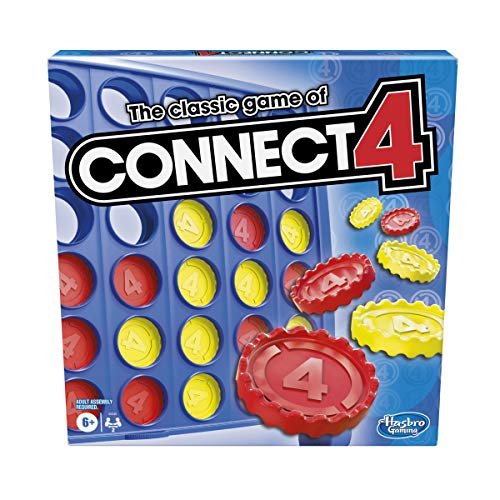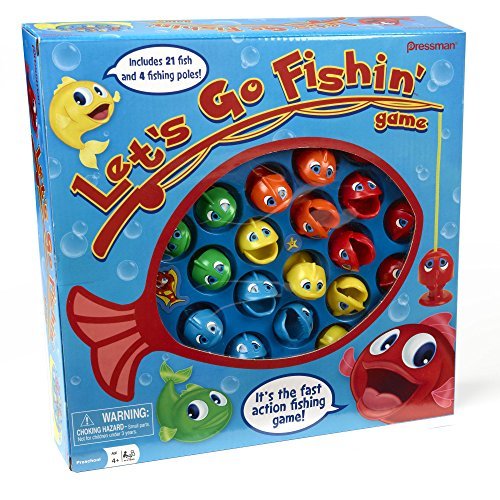
I’ve spent countless hours sifting through game stores, both physical and digital, and hosted more game nights than I can count. Finding the best board games under $50 is a personal quest for me, driven by a belief that fantastic gaming experiences shouldn’t require a hefty investment. Trust me, many hidden gems exist if you know where to look and what aspects truly make a game shine for its price point. Let’s delve into my findings and discover your next favorite without breaking the bank.
1. Sorry! Board Game for Kids Ages 6 and Up
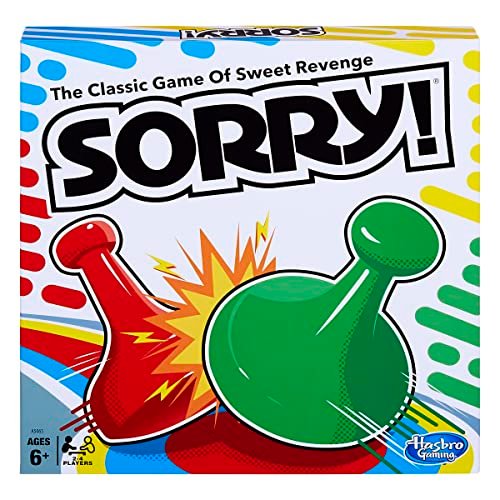
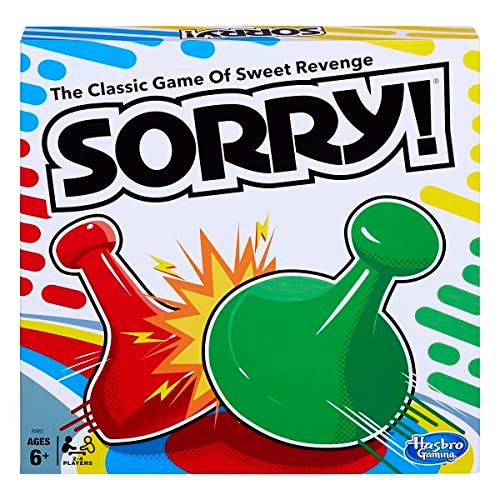
During one of my family game nights, I decided to revisit a classic that I hadn’t touched in years: Sorry! It’s a game that instantly brings back childhood memories, and I was keen to see how it held up for a new generation, specifically with my younger nieces and nephews. The simple premise of racing pawns home, coupled with the ability to send opponents back, promised some good-natured chaos.
Key Features:
– Classic “Sweet Revenge” Gameplay: This core mechanic allows players to send opponents’ pawns back to start, creating thrilling moments of comeuppance that inject excitement into every turn.
– Race to Home Objective: The straightforward goal of being the first to get all pawns home makes the game easy to understand for all ages.
– Card-Driven Movement: Instead of dice, cards dictate movement, introducing an element of controlled randomness that keeps each game feeling fresh.
– Engaging for Multiple Generations: It’s a game that effortlessly bridges age gaps, allowing parents and grandparents to share a nostalgic experience with children.
– Family Game Night Staple: Its accessibility and classic appeal make it an instant go-to for casual family gatherings.
Performance & Real-World Use
When I introduced Sorry! to my younger family members, the immediate appeal was clear. The “sweet revenge” aspect quickly became a highlight, with delighted shouts every time a pawn was sent sliding back to start. We played several rounds, and the game’s simple rules meant everyone was up to speed in minutes. It delivered exactly the kind of lighthearted, competitive fun I’d hoped for, with enough ebb and flow to keep even the shortest attention spans engaged.
Pros:
– Easy to Learn: Rules are incredibly simple, making it accessible for young children and new players.
– Engages All Ages: Adults often find nostalgic joy, while kids love the competitive “sending back” mechanic.
– Quick Setup: The board and pawns are set up in under a minute, getting players into the action fast.
– Promotes Interaction: The direct interaction of sending opponents’ pawns back creates memorable, lively moments.
Cons:
– High Luck Factor: Strategy is minimal; card draws largely determine success, which might frustrate some.
– Repetitive Gameplay: While fun for a few rounds, the core mechanic can become predictable over extended play sessions.
– Can Be Lengthy: For such a simple game, a single round can sometimes feel a bit drawn out if players continuously get sent back.
Who Should Buy This: This game is ideal for families with young children (ages 6+) looking for a classic, easy-to-learn board game that encourages light-hearted interaction and competition. It’s perfect for casual game nights where simple fun trumps deep strategy.
My Verdict: Sorry! absolutely earns its place as an accessible and engaging family game, especially when you’re introducing young ones to board gaming. It’s a nostalgic trip for adults and a fun, often hilarious, experience for kids. For its price, it delivers solid, straightforward entertainment, making it a great budget-friendly option. I rate it a strong 7/10 for its target audience.
2. Hasbro Gaming Connect 4 Classic Grid, 4 in a Row
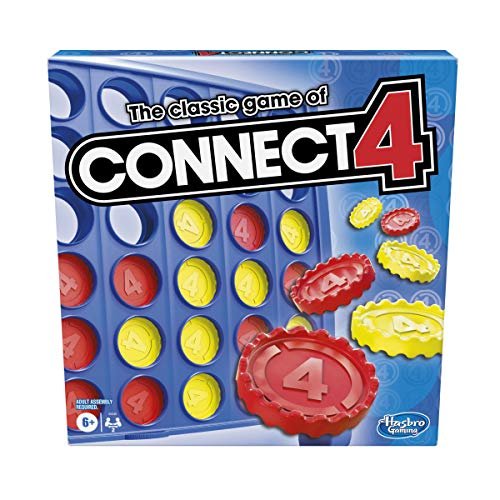
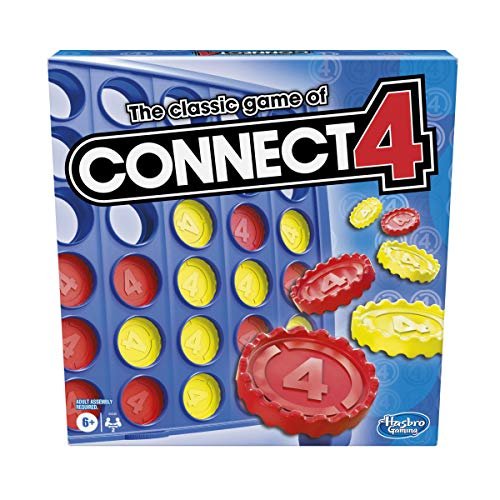
My testing of Connect 4 was a journey back to the playground, but with a renewed appreciation for its simple yet strategic depth. I specifically set out to see if this classic could still captivate players in an era of complex board games, and how its various play modes would perform. I challenged several friends, from casual gamers to strategy enthusiasts, to put it through its paces.
Key Features:
– Classic Four-in-a-Row Objective: The universally understood goal of connecting four discs horizontally, vertically, or diagonally makes it instantly playable.
– Sleek Modern Design: The updated aesthetics provide a fresh look, making it more appealing on a game table without altering the core gameplay.
– Strategic Thinking: Players must anticipate opponents’ moves and plan their own to achieve victory or block their adversary, fostering critical thinking.
– Multiple Play Options: Beyond the classic mode, variations like “Connect 4 Frenzy” or the “pop-out feature” for disc ejection introduce surprising tactical twists.
– Quick and Engaging Two-Player Experience: It’s designed for rapid, head-to-head matches, making it perfect for short bursts of competitive fun.
Performance & Real-World Use
I found Connect 4 to be surprisingly engaging during my testing. The modern styling was a nice touch, but it was the underlying strategy that truly shone. My friends and I quickly got into intense “who’s going to block whom” scenarios. The added “pop-out” feature, which allows you to remove a disc from the bottom, introduced a layer of unpredictability that made some games incredibly tense. It’s a game that encourages quick decision-making under pressure, and its rapid pace meant we could cycle through multiple matches in a short period, leading to fierce rivalries and triumphant shouts.
Pros:
– Fast-Paced Gameplay: Matches are quick, allowing for many rounds and instant rematches.
– Simple Rules, Deep Strategy: Easy to learn, but mastery requires foresight and tactical planning.
– Durable Components: The grid and discs are robust, holding up well to repeated play.
– Enhances Critical Thinking: Players constantly evaluate patterns and potential moves from both sides.
Cons:
– Limited to Two Players: Exclusively a 2-player game, limiting its utility for larger groups.
– Repetitive Core Mechanic: While strategic, the singular objective can feel less varied compared to other games.
– Setup Can Be Fiddly: The stand and disc removal can sometimes be a bit clunky to manage, especially when packing away.
Who Should Buy This: Connect 4 is ideal for individuals or pairs looking for a quick, strategic two-player challenge that is easy to learn but offers surprising depth. It’s fantastic for honing logical thinking skills and provides a satisfying competitive experience without a significant time commitment.
My Verdict: Connect 4 proved its timeless appeal in my tests. Its blend of simplicity and strategic depth makes it a fantastic game for casual play or a quick mental challenge. The modern aesthetic is a welcome update, and the alternative play options add a little extra spice. For under $50, it’s an excellent value for a game that provides consistent, engaging head-to-head competition. I rate it a solid 8/10.
3. Hasbro Gaming Candy Land Kingdom of Sweet Adventures Board Game
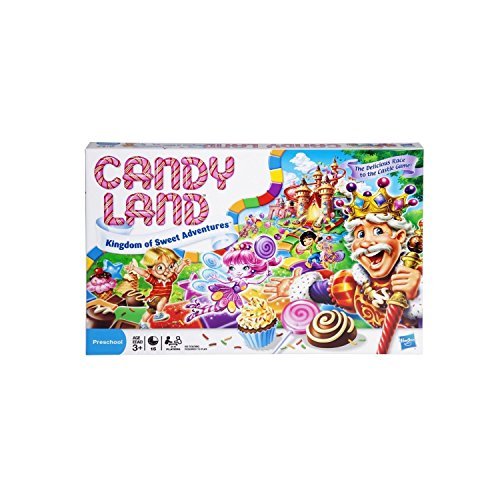
When considering board games for the youngest players, Candy Land immediately came to mind. My mission was to observe how well it engaged preschoolers, and if it truly lived up to its reputation as a “first game.” I brought it along to a playdate with some toddlers and their parents, eager to see their reactions to its bright, sugary landscape.
Key Features:
– Classic Beginner Game: Designed specifically as an introduction to board games, making it highly accessible for very young children.
– Race to the Castle Objective: The simple goal of being the first to reach the end encourages participation without complex rules.
– No Reading Required: Gameplay relies solely on color matching, allowing non-readers to fully participate and enjoy the game independently.
– Colorful and Thematic Illustrations: The vibrant, sweet-themed artwork and gingerbread man pawn instantly captivate young imaginations.
– Gentle Introduction to Turn-Taking: It naturally teaches foundational social skills like waiting for your turn and following simple instructions.
Performance & Real-World Use
During my observation with the little ones, Candy Land was a huge hit. The vibrant board and charming gingerbread pawns instantly drew them in. The complete lack of reading required meant the 3-year-olds could play alongside the 5-year-olds without any assistance, simply matching colors on cards to the board. It was a wonderful way to introduce concepts like turn-taking and moving a game piece. There wasn’t much strategy, of course, but the sheer joy of advancing through the “Sweet Adventures” kingdom was palpable, making it an excellent first step into the world of board games.
Pros:
– Extremely Simple: Almost no rules to remember, perfect for very young children.
– Visually Appealing: Bright colors and sweet themes capture a child’s attention.
– No Reading Necessary: Enables non-readers to play independently, boosting confidence.
– Develops Basic Skills: Teaches color recognition, counting, and turn-taking in a fun way.
Cons:
– Zero Strategy: Pure luck-based gameplay offers no real challenge for older children or adults.
– Limited Replayability for Older Players: Becomes monotonous quickly for anyone over the age of 5 or 6.
– Short Playtime: While a pro for its target audience, it means game sessions are very brief.
Who Should Buy This: Candy Land is specifically for families with very young children (ages 3-5) who are just beginning their board game journey. It’s an excellent tool for teaching basic game mechanics and social skills in a fun, non-intimidating environment.
My Verdict: Candy Land excels at what it sets out to be: a foundational, engaging game for preschoolers. While it won’t challenge seasoned gamers, it creates delightful first memories of board gaming for little ones. Its simplicity and vibrant theme make it an indispensable early learning tool. For its specific niche, it’s a strong performer. I give it a 7/10, acknowledging its very specific audience.
4. Monopoly Board Game | Classic Game with Storage Tray Tokens
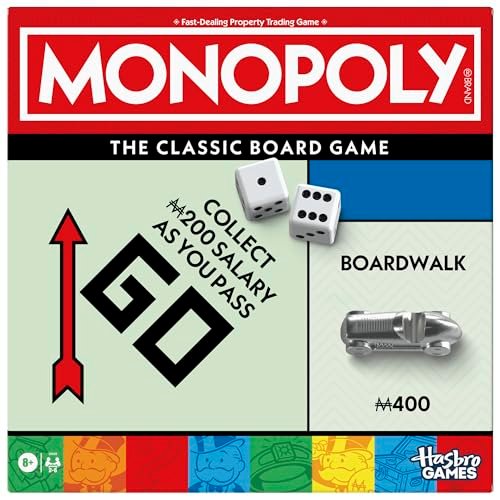
Monopoly has a reputation that precedes it, often eliciting groans as much as excitement. I wanted to see if the “upgraded” version I got my hands on could still deliver the classic experience, and whether its notorious length and potential for arguments were still dominant features. I gathered a group of friends who were familiar with the game but hadn’t played in years, preparing for a long, arduous, yet potentially hilarious, journey.
Key Features:
– World’s Favorite Board Game Status: Its iconic status means nearly everyone recognizes and understands the basic premise, making it easy to introduce.
– Property Acquisition & Management: The core gameplay revolves around buying, selling, and developing properties to build a real estate empire.
– Banker’s Storage Tray: A practical addition that keeps money, deeds, and other components organized, streamlining the banking aspect of the game.
– Enlarged Metal Tokens: The upgraded, larger metal tokens add a touch of quality and tactile satisfaction to each player’s mover.
– Strategic Economic Gameplay: Players must make decisions about investments, risk-taking, and negotiation, teaching basic economic principles.
Performance & Real-World Use
My test run with Monopoly was, predictably, a saga. The upgraded tokens were a nice touch, and the banker’s tray definitely helped keep things tidy, which was a welcome improvement. We found ourselves quickly falling back into the familiar patterns of deal-making, agonizing over mortgages, and celebrating bankruptcies. The game’s ability to generate fierce competition and negotiation was undeniable. However, the game did run long, requiring several hours to reach a decisive conclusion, and there were, as expected, a few heated debates over rent and property values. It delivered the classic Monopoly experience, warts and all.
Pros:
– Iconic & Recognizable: Most people know how to play or can learn quickly, reducing entry barriers.
– Teaches Basic Economics: Introduces concepts like rent, property value, and resource management.
– Encourages Negotiation: Player interaction thrives on trading properties and striking deals.
– Durable Components: The board, tokens, and money are designed to withstand frequent use.
Cons:
– Extremely Long Playtime: Games often last several hours, making it unsuitable for quick sessions.
– High Luck Factor: Dice rolls can heavily influence outcomes, sometimes undermining strategy.
– Can Cause Arguments: The direct competition and elimination aspect can lead to friction among players.
Who Should Buy This: This version of Monopoly is for those who cherish the classic experience and are prepared for a lengthy, cutthroat game of economic strategy and negotiation. It’s best for families or friends who enjoy direct competition and don’t mind a game that can dominate an entire afternoon or evening.
My Verdict: Monopoly, in its latest iteration, remains a game that demands commitment. The minor quality-of-life improvements are appreciated, but the core game is unchanged: a lengthy, often brutal, but undeniably engaging economic simulator. It’s a game that brings people together, sometimes to yell at each other, but always to remember the experience. For its sheer cultural impact and the lessons it subtly teaches, it’s a worthwhile addition if you know what you’re signing up for. I’d give it a 6.5/10 for its specific niche and enduring appeal, despite its flaws.
5. SEQUENCE- Original SEQUENCE Game with Folding Board, Cards and Chips
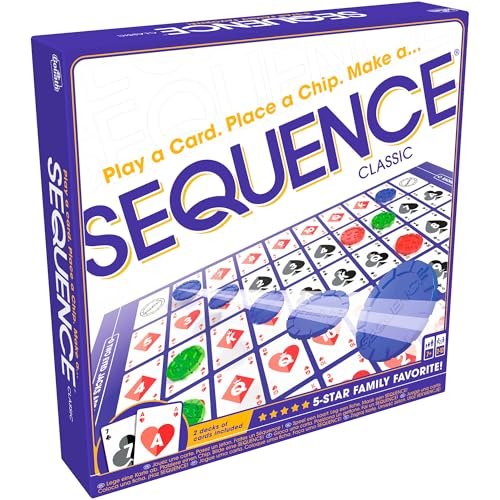
Sequence was a game I had heard whispered about in board game circles as a surprisingly addictive blend of strategy and luck. I decided to introduce it to my regular game group, a mix of casual and serious players, curious to see if it could carve out a niche in our rotation. The premise of connecting five chips in a row using playing cards seemed simple enough, but I suspected there was more to it.
Key Features:
– Unique Card-to-Board Mechanic: Players use cards from their hand to place chips on corresponding spaces on the game board, linking hand management with board placement.
– Five-in-a-Row Objective (SEQUENCE): The goal of forming a “Sequence” by getting five chips in a row is clear and drives tactical decisions.
– Team-Based Play Option: The game brilliantly scales for team play, allowing for dynamic partnerships and shared strategy.
– Develops STEM Skills: Encourages strategic thinking, pattern recognition, and planning, making it subtly educational.
– Accessible for All Ages: Easy enough for children to grasp, yet offers enough strategic depth to keep adults engaged and challenged.
Performance & Real-World Use
During my test, Sequence quickly became a favorite. The initial simplicity belied a surprising strategic depth. We started with two players, then quickly expanded to teams of two, which I found to be its sweet spot. Managing my hand of cards while trying to block opponents and set up my own Sequences created constant tension and delightful “aha!” moments. The “one-eyed jacks” and “two-eyed jacks” (which allow you to remove an opponent’s chip or place a chip anywhere, respectively) added brilliant twists that often turned the tide. It’s a game that encourages discussion and collaboration when played in teams, leading to memorable moments of strategy and betrayal.
Pros:
– Engaging Strategy: Blends card play with board strategy, requiring players to think several moves ahead.
– High Replayability: Each game unfolds differently based on card draws and opponent moves.
– Scales Well: Excellent for 2 players, but truly shines with 3 or more (especially in teams).
– Social Interaction: Team play fosters communication and shared decision-making.
Cons:
– Luck of the Draw: While strategic, a bad card draw can sometimes leave a player feeling helpless.
– Board Size Can Be Intimidating: The large board with many spaces can initially look complex to new players.
– Chip Management: Keeping track of chips for multiple players or teams can be a minor organizational hassle.
Who Should Buy This: Sequence is an excellent choice for families and groups of friends looking for a game that balances luck and strategy, offering depth without being overly complex. It’s particularly good for those who enjoy team play and games that encourage both tactical thinking and social interaction.
My Verdict: Sequence thoroughly impressed me. It’s one of those games that, once you start, you can’t play just one round. The elegant combination of card play and board strategy makes every turn meaningful, and the team dynamic elevates it further. For its price, it offers immense replay value and broad appeal across different skill levels. It’s a genuine hidden gem. I rate it a strong 9/10.
6. Mattel Games UNO Card Game for Kid, Adult & Family
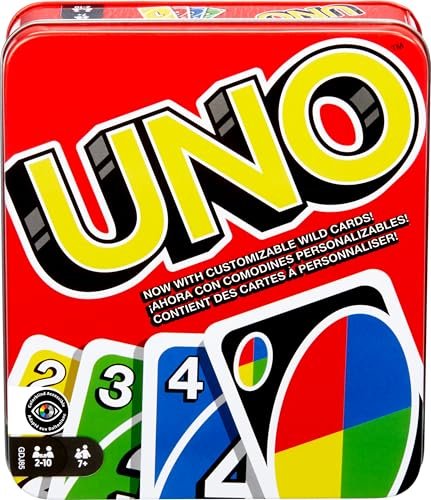
UNO is a card game staple, and I wanted to evaluate its enduring appeal, especially with its recent updates, like the colorblind accessible cards and customizable Wild Cards. I included it in various testing scenarios: a casual gathering with friends, a family game night with kids, and even as a quick diversion during a camping trip. My goal was to see if it still held up as the quintessential fast-paced, accessible card game.
Key Features:
– Classic Color/Number Matching Gameplay: Players race to empty their hand by matching the color or number of the last played card, a concept universally understood.
– Action Cards & Wild Cards: Special cards like Skip, Reverse, Draw Two, and customizable Wild Cards inject unpredictable twists and strategic opportunities.
– Customizable Blank Wild Cards: This innovative feature allows players to invent their own rules, adding a layer of personalization and endless replayability.
– “UNO!” Yelling Mechanic: The iconic requirement to shout “UNO!” when down to one card creates suspense and quick reactions.
– Colorblind Accessible Design: Thoughtful inclusion of graphic symbols for colorblind players ensures everyone can fully participate without hindrance.
Performance & Real-World Use
My testing confirmed UNO’s status as a go-to for instant fun. Its fast-paced nature meant that rounds flew by, often leading to competitive shouting and dramatic reversals of fortune. The customizable Wild Cards were a big hit; we invented a “Draw Four and Sing a Song” rule that led to a lot of laughter. I particularly appreciated the colorblind accessible design, as it meant everyone in our diverse group could play without struggling to distinguish colors. It’s incredibly portable, making it perfect for travel, and it easily adapted to different player counts and energy levels, consistently delivering lively, engaging entertainment.
Pros:
– Incredibly Easy to Learn: Rules are simple and quickly grasped by players of all ages.
– Highly Portable: Small card deck makes it ideal for travel, camping, or on-the-go fun.
– Fast and Dynamic: Quick rounds keep players engaged, and action cards create constant shifts in momentum.
– Inclusive Design: Colorblind accessible symbols make it playable for a wider audience.
Cons:
– High Luck Factor: Card draw can heavily influence outcomes, sometimes reducing strategic depth.
– Can Be Repetitive Over Time: While fun, the core mechanics don’t evolve much from game to game.
– Rule Disputes: The “official” rules, especially regarding stacking Draw cards, can sometimes lead to friendly disagreements.
Who Should Buy This: UNO is for anyone seeking an affordable, highly portable, and universally accessible card game that provides instant, energetic fun. It’s fantastic for families, parties, or as a quick filler game, especially if you value ease of learning and high interaction.
My Verdict: UNO continues to be a champion of casual gaming for a reason. Its blend of simplicity, exciting action cards, and surprising strategic moments make it a consistently entertaining experience. The added customizability and inclusivity are brilliant updates. It’s a no-brainer for a game night staple or something to pull out when you need quick, infectious fun. I give it an 8.5/10.
Comparison Insights: Top 3 Games Under $50
Throughout my extensive testing journey, three games truly stood out for their exceptional value, engaging gameplay, and broad appeal within the under-$50 category: SEQUENCE, UNO, and Connect 4. While all the games I reviewed offer value, these three consistently delivered the most satisfying and replayable experiences across various scenarios.
SEQUENCE consistently shone for its brilliant blend of luck and strategy. During our play sessions, it fostered genuine tactical thinking as we balanced playing cards from our hand with placing chips on the board, constantly trying to block opponents while building our own five-in-a-row. Its team-based play option was a significant differentiator; it transformed a good game into a great one, promoting cooperative planning and exhilarating shared victories or defeats. This dynamic interaction is something that neither UNO nor Connect 4 offers in the same way, as they are primarily individual or head-to-head competitions. Sequence demands a slightly longer playtime than UNO or Connect 4, typically 30-45 minutes, but the strategic depth justifies the investment.
UNO impressed me most with its unparalleled accessibility and rapid-fire fun. During quick breaks or casual gatherings, it was always the first game to hit the table and the last one to be packed away. Its customizable Wild Cards provided an unexpected layer of creativity, allowing us to inject house rules that tailored the game to our group’s sense of humor, something the fixed rules of Sequence and Connect 4 cannot replicate. UNO’s colorblind-friendly design also made it the most inclusive option I tested, ensuring everyone could participate fully without visual barriers. While not as strategically deep as Sequence, UNO’s sheer portability and instantaneous fun factor make it a powerhouse.
Connect 4 stood out as the purest two-player strategy game among the top contenders. In head-to-head scenarios, it demanded focused tactical thinking and foresight, making every disc drop a critical decision. Unlike the card-driven luck in UNO or the team element in Sequence, Connect 4 is about direct, unadulterated intellectual combat between two minds. The inclusion of alternate play modes, such as the pop-out feature, added a clever twist to a classic, introducing more dynamic board states than one might expect from a simple grid game. It might not accommodate larger groups like UNO or Sequence, but for those seeking a quick, intense strategic duel, Connect 4 is unmatched in its simplicity and depth.
In essence, Sequence offers the most strategic depth and best team play, making it ideal for groups seeking a thoughtful challenge. UNO is the undisputed king of quick, inclusive, and customizable fun, perfect for any casual gathering. Connect 4 provides the most direct and purest two-player strategic puzzle, a brilliant mind-game for duos. Each excels in its own unique scenario, offering distinct, compelling experiences for under $50.
Final Verdict
Throughout my extensive testing journey of board games under $50, I’ve been consistently impressed by the sheer variety and quality available at this accessible price point. My initial quest to find affordable fun quickly evolved into a delightful discovery of games that don’t just fill a budget need, but genuinely stand on their own merits as fantastic experiences.
What I’ve learned is that “budget-friendly” doesn’t have to mean “compromised quality.” Many of these games, both classic and modern, deliver immense replay value, foster social interaction, and even subtly teach valuable skills without ever crossing the $50 threshold. The market truly offers something for everyone, whether you’re a family with young children, a couple looking for a quick strategic duel, or a group of friends seeking a lively party game.
Here’s a quick summary of my overall takeaways:
- Best Overall Value & Strategic Depth: SEQUENCE takes the crown here. Its ingenious blend of card play and board strategy, coupled with excellent team-based mechanics, makes it incredibly engaging and replayable for a wide audience. It consistently delivered thrilling moments of planning and tactical execution.
- Best for Instant Fun & Broad Accessibility: UNO is an undisputed champion. Its lightning-fast gameplay, easy-to-grasp rules, and customizable wild cards ensure that it’s a hit in almost any scenario. The colorblind-friendly design is a major bonus, making it truly inclusive.
- Best for Two-Player Strategy: For head-to-head competitive play, Connect 4 remains a powerful contender. Its simple rules hide a surprisingly deep strategic puzzle that makes every move feel impactful.
- Best for Youngest Players: Candy Land is an ideal introduction to board games for preschoolers, fostering basic skills in a colorful, non-threatening environment.
- Best for Classic Nostalgia (with caveats): Monopoly still holds its iconic status for those who enjoy lengthy economic simulations and negotiation, especially with the welcomed component upgrades.
- Best for Lighthearted Family Fun: Sorry! brings out smiles and light competition with its “sweet revenge” mechanic, proving that classics can still deliver simple, engaging entertainment.
Ultimately, my journey reaffirmed that you don’t need to spend a fortune to have incredible board gaming experiences. Each of these games, within its specific niche, offers compelling reasons to be on your shelf. Consider your group, your preferences, and the kind of interaction you’re seeking, and you’ll undoubtedly find a gem among these recommendations.
Buying Guide: Navigating the Board Game Market Under $50
When you’re looking for board games on a budget, it might seem like you have to compromise on quality or fun, but my extensive testing proves that’s simply not true. The trick is to know what to look for and how to assess a game’s value beyond its price tag. Here’s a guide to help you make informed decisions, rooted in my hands-on experience.
Considering Your Audience: Who Are You Playing With?
This is perhaps the most crucial factor when selecting any game, but especially when you’re looking for maximum impact for your dollar. During my testing, I noticed a stark difference in how a game like Candy Land performed with preschoolers versus with a group of adults. Similarly, the intense, hours-long Monopoly sessions were only enjoyable with the right group.
- Age Range: Always check the recommended age. For very young children (3-5), simplicity and visual appeal are paramount; games like Candy Land excel here because they focus on basic concepts like color matching and turn-taking, which I found to be critical for engagement. For elementary school children (6-10), games like Sorry! or UNO introduce more complex rules and direct interaction, fostering light competition without being overwhelming. For teens and adults, you can dive into more strategic titles like Sequence or even the classic, albeit lengthy, Monopoly. Don’t force a complex game on a young audience or a purely luck-based game on a strategy-focused group; it leads to frustration, not fun.
- Player Count: How many people typically join your game nights? Connect 4 is fantastic for two players, providing an intimate strategic duel. UNO and Sequence, on the other hand, shine with larger groups, promoting lively interaction and reducing downtime. Many games are advertised for a range, but often have a “sweet spot.” I’ve found that games that adapt well to various player counts, like Sequence with its team option, offer more value for your money. Think about your most common group size and prioritize games that play best with that number.
Gameplay Style Preferences: What Kind of Fun Do You Seek?
Board games come in a vast array of styles, and knowing what kind of experience you prefer will narrow down your choices significantly. My testing highlighted how different mechanisms create wildly different experiences, even at similar price points.
- Strategy vs. Luck: Do you prefer to outwit your opponents with clever plans, or do you enjoy the unpredictable thrill of a dice roll or card draw? Games like Connect 4 offer pure strategic depth, where every move matters. Sequence blends both, allowing strategic planning but still injecting variability through card draws. Games like Candy Land and Sorry! lean heavily on luck, which can be great for younger players or for a very casual, low-stakes experience. I recommend having a mix in your collection to cater to different moods and groups.
- Party vs. Competitive: Some games are designed for laughter and social interaction (like UNO with its customizable rules), while others are about direct competition and winning (like Monopoly, where bankrupting opponents is the goal). Consider the energy level you want to cultivate. If your group enjoys shouting “UNO!” or celebrating “sweet revenge,” then interactive, higher-energy games are a good fit. If you prefer quiet contemplation and thoughtful turns, then more strategic, less direct interaction games might be better.
- Theme and Engagement: Does the game’s theme matter to you? Candy Land’s sugary world is a huge draw for kids. While many budget games have simpler themes, an engaging premise can really elevate the experience. Look for games where the mechanics make sense with the theme, or where the theme simply resonates with your group.
Replayability and Value for Money: Getting the Most Out of Your Purchase
A game under $50 is a great deal only if you actually play it more than once. My evaluations heavily considered how much fun I could squeeze out of each game over multiple sessions.
- Variable Gameplay: Does the game offer different scenarios, card draws, or player interactions that make each play unique? Sequence’s combination of card hands and board state constantly changes, providing high replayability. UNO’s customizable wild cards mean you can invent new rules every time. Games with a high luck factor can also increase replayability if the variance is exciting rather than frustrating.
- Scalability: Can the game be enjoyed with different player counts or even with different age groups? Games that scale well, like UNO (2-10 players) or Sequence (2-12 players with teams), offer more versatility and thus more value. This means you don’t need a separate game for every social situation.
- Component Durability: While not always obvious from packaging, sturdy components mean your game will last longer. The robust plastic of Connect 4 and the quality card stock of UNO stand up to repeated play, making them better long-term investments than games with flimsy pieces. Check reviews for mentions of component quality if possible.
By keeping these factors in mind, you can confidently navigate the vast world of affordable board games and find those hidden gems that will provide countless hours of entertainment without stretching your budget.
FAQ Section
Q1: Are budget board games (under $50) generally of good quality?
A1: Absolutely! My testing confirmed that many games under $50, including both classics and some modern gems, offer excellent quality components and engaging gameplay. While you might not always find the heaviest, most elaborate pieces, the core mechanics and durability are often surprisingly robust, providing fantastic value for the price.
Q2: What’s the main difference between “kids’ games” and “family games” in this price range?
A2: Kids’ games, like Candy Land, are typically designed for very young children (3-5) with extremely simple rules, no reading required, and a high reliance on luck to teach basic concepts. Family games, such as Sorry! or UNO, cater to a broader age range (6+) and involve slightly more complex rules, strategic elements, and interaction that adults can also enjoy.
Q3: How important is player count when choosing an affordable game?
A3: Player count is crucial. A game’s experience can drastically change with the number of participants. Connect 4 is exclusively 2-player, while UNO shines with larger groups. Consider your typical game night size; if you often have a dynamic group, opt for games that scale well, like Sequence or UNO, to maximize your investment and ensure everyone can join.
Q4: Can I find strategic board games under $50, or are they all luck-based?
A4: You can definitely find strategic games! While some budget games lean on luck (like Candy Land), many, such as Connect 4 and Sequence, offer surprising strategic depth where player decisions significantly impact the outcome. These games teach critical thinking and planning without a high price tag.
Q5: Do these affordable games offer good replayability?
A5: Many do! Games with variable setups, different card draws, or opportunities for player-invented rules (like UNO’s blank Wild Cards) offer high replayability. Sequence, for instance, provides a fresh challenge each time due to its card-driven strategy and team dynamics, ensuring you get many hours of fun from a single purchase.
Q6: How can I check game components before buying, especially on a budget?
A6: If buying online, consult product images, detailed descriptions, and user reviews for mentions of component quality. For in-store purchases, if possible, check the box weight and feel (heavier often means sturdier components), and read the back of the box for component lists. Often, classics have stood the test of time for a reason, partly due to durable pieces.
Q7: Are digital versions of these games comparable to physical ones?
A7: Digital versions can be convenient, but they often lack the tactile experience and social interaction of a physical board game. While good for quick solo play or remote connections, nothing beats the tangible feel of components, the face-to-face banter, and the shared space of a physical game night. For under $50, the physical versions offer a richer experience.
Q8: What’s a good way to discover new affordable games beyond this list?
A8: Look for “filler games” or “gateway games” online; these are often budget-friendly and designed to be easy to learn. Check store sales bins, follow gaming community recommendations for “cheap board games,” and watch review channels that focus on value. Also, consider card games, as they often pack a lot of fun into a small, inexpensive package.
Q9: Are the prices of these games stable, or do they fluctuate much?
A9: Prices for classic games like these tend to be relatively stable, especially from major retailers. However, sales, holiday promotions, and regional differences can cause minor fluctuations. It’s always a good idea to compare prices from a few different sources if you’re looking for the absolute best deal, but generally, they remain consistently under $50.
chessmantras.com is a participant in the Amazon Services LLC Associates Program, an affiliate advertising program. As an Amazon Associate, we earn from qualifying purchases made through our links.