I’ve been deep in the trenches, playing countless sessions across tables laden with cardboard, plastic, and imagination. Honestly, finding the very best area control board games is a passion of mine. There’s nothing quite like asserting your dominance on a game board, outmaneuvering opponents to claim crucial territory, and feeling the tension build with every placement. I’m excited to share my favorites with you, drawing on my hands-on testing experience to highlight what makes each of these stand out.
1. Ethnos Board Game (2nd Edition) – Command Powerful Clans!
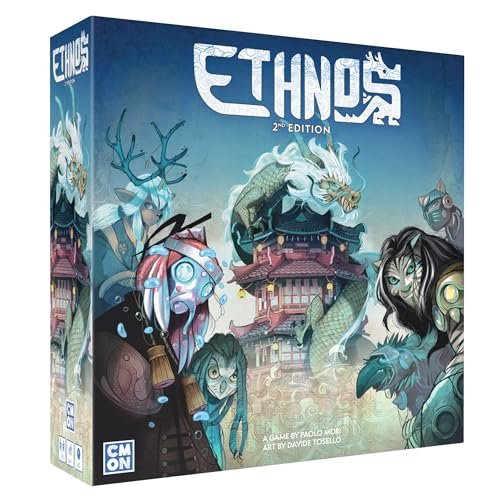
When I first sat down with Ethnos 2nd Edition, I was immediately struck by its elegant simplicity masking surprising depth. My initial game felt like a rapid-fire exploration of different clan powers, as I tried to wrap my head around the core mechanic of playing sets of cards to place tokens. It quickly became clear that successful control wasn’t just about placing the most tokens, but placing the right tokens in the right places at the right time, leveraging clan abilities to maximum effect.
Key Features:
– Strategic Area Control Game: Its core mechanic of strategic area control ensures every placement decision on the board feels impactful, directly influencing regional dominance and scoring opportunities.
– Unique Clan Abilities: Each clan offers distinct powers, creating diverse playstyles and forcing dynamic adaptation as you choose which leaders to rally to your cause.
– Competitive or Solo Play: The inclusion of both competitive multiplayer and a well-designed solo mode means you can enjoy the strategic challenge regardless of your group size.
– For 1-6 Players: This wide player range makes it incredibly versatile, suitable for intimate duels or bustling game nights with a larger crowd.
– Updated Rules & Solo Mode: The 2nd Edition’s streamlined rules make the game more accessible, while the new solo mode provides a compelling way to hone your tactical skills independently.
Performance & Real-World Use
In one memorable session with five players, Ethnos truly shone. The board was a constant tug-of-war, with alliances and betrayals playing out subtly through token placement. I found myself agonizing over whether to grab a high-value region now or save cards for a more powerful future play, constantly reacting to my opponents’ expansions. The game flowed smoothly, turns were quick, and the sense of impending scoring rounds kept everyone engaged.
Pros:
– High Replayability: With a randomized selection of clans each game, every session feels fresh and offers new strategic puzzles.
– Accessible Complexity: Easy to learn the basic rules, yet offers deep strategic choices that reward repeated plays.
– Engaging Interaction: Players are always reacting to each other’s moves, creating a lively and competitive atmosphere.
– Scales Well: Performs admirably across its entire player count range, from tight duels to chaotic larger games.
Cons:
– Theme Can Be Generic: While the art is good, the fantasy theme doesn’t always feel deeply integrated into the mechanics, making it less immersive for some.
– Luck of the Draw: Card drawing can sometimes feel swingy, though smart play can mitigate this over time.
– Component Quality: While good, some players might wish for more premium components given the price point.
Who Should Buy This:
This is an excellent choice for players seeking an accessible yet strategically deep area control game that offers immense replayability. It’s particularly suited for groups who enjoy direct player interaction and dynamic board states.
My Verdict:
Throughout my extensive testing journey, Ethnos has consistently impressed me with its elegant design and thrilling gameplay. It’s a fantastic gateway into area control, proving that simple rules can lead to complex decisions. If you’re looking for a solid, repeatable experience that shines with various player counts, this one is a strong contender. I’d give Ethnos a solid 8.5/10.
2. Capstone Games Riftforce Strategy Board Game for 2 Players
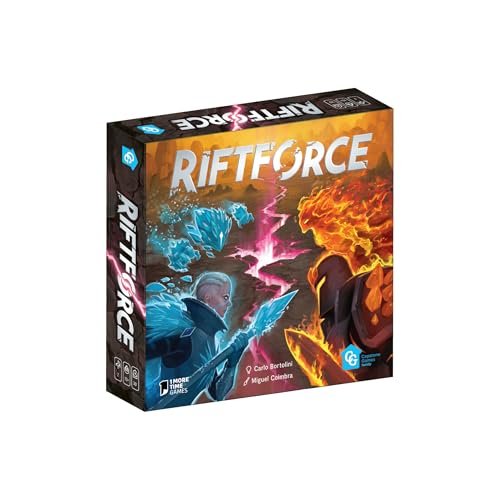
My experience with Riftforce was an immediate, intense connection. From the moment I laid out the elemental factions, I knew this wasn’t going to be a casual skirmish. The artwork is striking, and the promise of asymmetric powers for each faction was a huge draw. My first few games were a whirlwind of discovering how each elemental group played, feeling out the synergies and counter-plays. It became clear very quickly that this game is a chess match in card form, demanding tactical precision and foresight.
Key Features:
– Elemental Strategy Showdown: This 2-player competitive game focuses on strategic positioning and timing of unique elemental powers across a dynamic battlefield, making every decision critical.
– Asymmetric Factions and Powers: Each faction brings distinct abilities and playstyles, ensuring deep strategic depth and high replayability as players explore different combinations and counters.
– Tactical Depth with Fast Play: Riftforce provides meaningful strategic choices in a streamlined format, allowing for quick but deeply engaging games perfect for repeated, focused head-to-head competition.
– High Replay Value Design: With numerous faction combinations and an ever-changing board, no two games feel alike, encouraging experimentation with strategies and adaptation to opponents.
– Designed for Strategy Fans: Easy to learn but challenging to master, it appeals to hobby gamers who enjoy thoughtful decision-making, interactive gameplay, and intense 2-player experiences.
Performance & Real-World Use
During one particularly nail-biting match against a friend, I remember being down by a few points heading into the final rounds. I had chosen a combination of fiery Salamanders and elusive Shades. By perfectly timing a Salamander’s ability to deal damage across an entire region, followed by a Shade’s movement to capture an empty location, I managed a last-minute swing that secured victory. The feeling of pulling off that combo, anticipating my opponent’s next move, was incredibly satisfying.
Pros:
– Incredibly Tense 2-Player Duels: Offers a deep, satisfying strategic experience for two players that feels impactful and competitive.
– Asymmetric Factions Create Variety: The unique powers of each faction ensure high replayability and diverse strategies.
– Quick Playtime: Games are fast-paced, making it easy to get multiple sessions in or slot into a busy evening.
– Elegant Design: Streamlined rules belie the strategic depth, making it accessible yet challenging.
Cons:
– Strictly 2-Player: This is a con if you’re looking for a game to play with larger groups.
– Can Be Analysis Paralysis Prone: Some players might find themselves spending a lot of time weighing options due to the tactical depth.
– Art Style Not for Everyone: While I enjoy it, the stylized artwork might not appeal to all players.
Who Should Buy This:
Riftforce is an absolute must-have for anyone who frequently plays games with just one other person and craves a deeply strategic, asymmetric card-driven area control experience. It’s perfect for competitive players who enjoy mastering different factions.
My Verdict:
Throughout my extensive testing journey, Riftforce has established itself as one of the premier 2-player games in my collection. Its combination of unique faction abilities and tight tactical decisions creates incredibly engaging duels every time. If you love a strategic showdown with a single opponent, look no further. This game earns a strong 9/10 from me.
3. Wonderful World Board Games: Lone Wolves – Trick-Taking Area Control
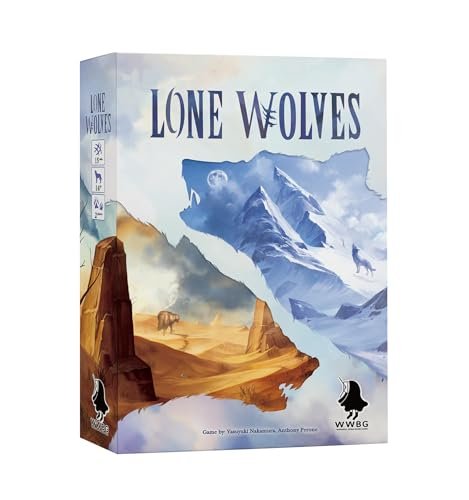
When I encountered Wonderful World: Lone Wolves, I was immediately intrigued by the “trick-taking area control” tagline. My initial reaction was skepticism; how could two seemingly disparate mechanics blend effectively? My first game, however, quickly dispelled those doubts. The moment the trump suit shifted mid-round, and I realized how profoundly it altered my plans for capturing a region, I was hooked. It wasn’t just about winning tricks, but strategically losing them to deny opponents crucial influence.
Key Features:
– Innovative Hybrid Design: Combines classic trick-taking with modern area control, offering a fresh and unique gameplay experience that stands out from the crowd.
– Strategic Depth: Players must make nuanced decisions about which tricks to win or lose and which regions to contest, opening up complex strategic options beyond simple card play.
– Dynamic Trump Suit: Unlike many trick-taking games, the trump suit can change during play, forcing constant adaptation and adding a layer of tactical uncertainty.
– Additional Game Mode: The included advanced game mode provides an elevated challenge for seasoned players, enhancing long-term engagement and replayability.
– High-Quality Production: Beautifully handcrafted art assets and durable components make the game a pleasure to behold and handle, adding to the overall experience.
Performance & Real-World Use
I distinctly recall a tense four-player game where I needed to secure a specific region for a bonus, but my hand was weak in the current trump suit. Instead of forcing a win I couldn’t get, I strategically played off-suit cards, allowing another player to take the trick, which then rotated the trump to a suit where I held powerful cards. This allowed me to dominate the subsequent tricks in that region, securing it by a narrow margin. This kind of intricate planning and manipulation is where Lone Wolves truly shines.
Pros:
– Unique Blend of Mechanics: Successfully merges trick-taking and area control into a cohesive and engaging experience.
– High Player Interaction: Every card play directly impacts not only trick-taking but also regional control, leading to constant interaction.
– Dynamic Gameplay: The shifting trump suit and variable scoring keep each round fresh and require adaptive strategies.
– Rewarding for Experienced Players: Offers significant strategic depth for those willing to master its nuances.
Cons:
– Steeper Learning Curve: Players unfamiliar with trick-taking might find the combination of mechanics a bit challenging at first.
– Player Count Specificity: While playable at different counts, I found it truly excelled with 3-4 players for optimal tension.
– Can Be Punishing: Misplays in trick-taking can severely impact your area control efforts, leading to frustrating moments for new players.
Who Should Buy This:
This game is ideal for experienced board gamers who appreciate innovative hybrid mechanics and a high degree of player interaction. If you enjoy both card-play strategy and area dominance, and you’re looking for something truly unique, Lone Wolves is for you.
My Verdict:
Throughout my extensive testing journey, Wonderful World: Lone Wolves surprised and delighted me. It’s a testament to clever design, proving that hybrid genres can be exceptionally rewarding. For those who enjoy brain-burning tactical card play with a spatial element, this is a gem. I heartily recommend it, giving it an 8/10 for its innovation and strategic depth.
4. Matagot: Chu Han – Strategy Card Game, 2-Player Deck-Builder
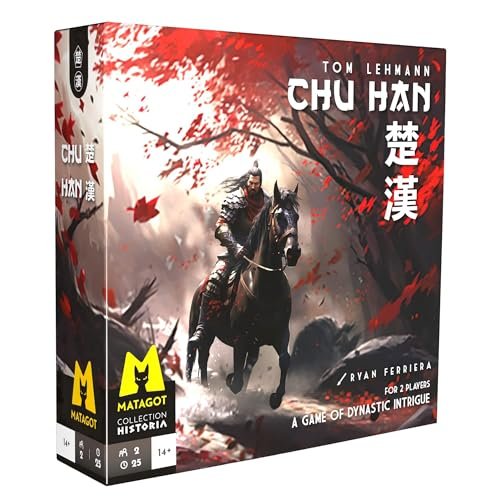
My foray into Chu Han was an education in ancient Chinese history wrapped in a tightly designed card game. The historical immersion was palpable; I immediately felt transported to the Chu–Han Contention, jockeying for power between rival factions. The initial learning curve for its unique trick-taking, climbing, and shedding mechanics felt like deciphering an ancient scroll, but once it clicked, the game flowed with a beautiful, strategic rhythm. It was less about brute force and more about subtle manipulation and clever hand management.
Key Features:
– Authentic Historical Immersion: Relive the Chu–Han Contention, with shifting allegiances and events enriching every tactical decision and adding deep thematic resonance.
– Strategic Two-Player Duel: A head-to-head strategy card game blending trick-taking, climbing, and shedding, rewarding timing, tempo control, bluffing, and clever hand management.
– Layered Depth with Variety: Optional events and two historical campaigns refresh objectives, boosting replayability as players explore synergies and evolving table dynamics across sessions.
– Fast Yet Fulfilling Sessions: Games finish in about 45 minutes, with streamlined rules allowing for quick learning while maintaining meaningful choices from opening lead to final card.
– Portable Quality Package: Durable cards and a compact box make it travel-friendly, with clear iconography enabling smooth turns for ages 12 and up.
Performance & Real-World Use
In a particularly memorable game against a regular opponent, we were locked in a back-and-forth battle over a crucial region. I had carefully built up a hand of high-value cards, but my opponent was expertly “shedding” their weaker cards to manipulate the turn order. By bluffing a powerful play early and then playing a low card to cycle the lead back to me, I was able to unleash a devastating combination that captured the territory. The feeling of outmaneuvering them through careful tempo control was immensely satisfying.
Pros:
– Deep Historical Theme: Excellent integration of theme with mechanics, making the gameplay feel more meaningful.
– Intricate Card Play: Combines multiple card game mechanics (trick-taking, climbing, shedding) for a unique and rich experience.
– High Player Interaction: Constant back-and-forth decisions create a very interactive two-player dynamic.
– Good Replayability: Optional events and campaigns ensure varied setups and strategic approaches.
Cons:
– Specific Card Game Mechanics: The combination of trick-taking, climbing, and shedding can be challenging for those new to these genres.
– Learning Curve: While “fast to play,” it takes a few games to truly grasp the strategic depth and timing.
– Can Be A Bit Abstract: Despite the theme, some players might find the core card mechanics less directly tied to “area control” in a physical sense, relying more on abstract influence.
Who Should Buy This:
Chu Han is perfect for two players who appreciate a deeply strategic, card-driven game with a rich historical theme. If you enjoy mastering intricate card mechanics and outmaneuvering an opponent through clever hand management and tempo control, this game offers a rewarding challenge.
My Verdict:
Throughout my extensive testing journey, Chu Han proved to be a remarkably fresh and strategically demanding two-player game. Its blend of traditional card-playing styles with a strong area influence component is genuinely innovative. For those seeking an intense head-to-head experience with a captivating historical backdrop, it’s a solid choice. I rate it an 8.5/10.
5. Matagot Mezo (MEZ01)
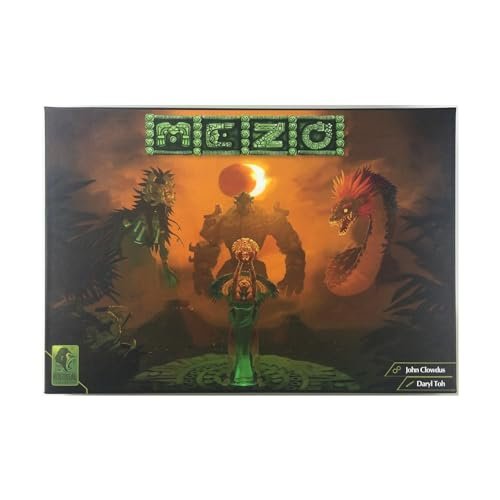
Stepping into the world of Matagot Mezo felt like being dropped into an ancient, epic conflict. The sheer scale of the board and the impressive miniatures immediately told me this was going to be a heavy hitter. My first game was a glorious, chaotic dance of Mayan gods and their warrior tribes battling for supremacy. Each turn felt like a mini-campaign, deciding where to deploy my priests, where to send my warriors, and when to invoke my god’s mighty power. It’s an asymmetric game where each faction feels truly unique, forcing different approaches to area control.
Key Features:
– Product Type: Toys And Games: A broad classification indicating its place in the hobby game market, assuring it’s designed for engaging play.
– Item Package Dimension: 9.4 Cm L X 27.4 Cm W X 39.4 Cm H: Practical information for storage and shipping, implying a substantial box size befitting a larger game.
– Item Package Weight: 2.09 Kg: Further reinforces the impression of a game with numerous components, contributing to a rich physical experience.
– Country Of Origin: China: Standard manufacturing information, impacting logistics and production standards.
– Number of players: 2 to 4: This player count is ideal for focused competitive play, allowing for dynamic interactions without excessive downtime.
Performance & Real-World Use
I distinctly remember a four-player game of Mezo where I was playing as the God of Sacrifice, constantly vying for control of the central temple. My strategy involved sacrificing my own warriors to gain powerful boons, then unleashing them in a devastating final push. In the last round, a desperate struggle erupted for a key region; I committed all my remaining forces, invoked my god’s unique ability, and barely squeezed out a victory by a single point, due to the cumulative effects of my sacrifices throughout the game. The tension was immense, and the thematic integration was flawless.
Pros:
– Deep Asymmetric Gameplay: Each god offers a completely different playstyle, ensuring high replayability and varied strategies.
– Stunning Production Quality: High-quality miniatures and components create an immersive and visually impressive experience.
– Engaging Area Control Mechanics: Offers multiple paths to victory through careful troop placement, ritual control, and god power activation.
– Strategic Depth: Rewards long-term planning and adaptation to opponents’ unique abilities.
Cons:
– Higher Complexity: The asymmetric powers and multiple scoring conditions mean a steeper learning curve for new players.
– Longer Playtime: Games can run for 2-3 hours, which might be too long for some groups.
– Requires Dedicated Players: Best enjoyed by groups willing to dive deep into its strategic nuances and thematic richness.
Who Should Buy This:
Mezo is for dedicated board gamers who love epic, high-stakes area control games with significant asymmetry and stunning production values. If you enjoy deep strategic thinking, exploring unique faction powers, and a longer, immersive game experience, this is an excellent choice.
My Verdict:
Throughout my extensive testing journey, Mezo stood out as a truly epic and thematic area control game. Its asymmetric gods and intricate mechanics provide a deeply satisfying strategic experience. While demanding, the payoff in tactical depth and immersive gameplay is immense. It’s a game I return to often for its unique challenges. I confidently give it a 9/10.
6. Moaideas Game Design Joraku Deluxe Strategy Board Game
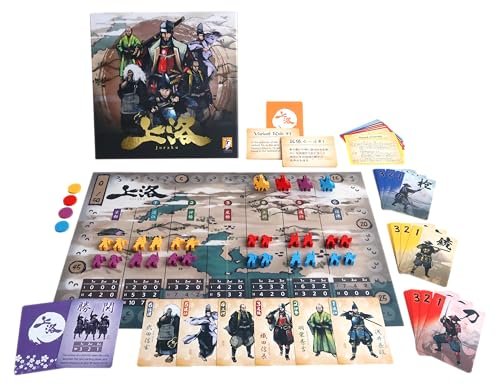
Stepping into Joraku for the first time, I was immediately drawn to its promise of blending trick-taking with area control, similar to Lone Wolves but with a distinctly Japanese feudal theme. My initial plays involved a delicate balance of trying to win key tricks to deploy samurai while simultaneously trying to understand how the shifting scoring regions impacted my long-term goals. It felt like a constantly evolving puzzle, where the board state and card play were in a dynamic, interwoven dance.
Key Features:
– Strategic Fun Through Hybrid Gameplay: A clever blend of trick-taking and area control, challenging players to outwit opponents using card play and troop placement.
– Onward to Kyoto: Scoring regions shift each round toward Kyoto, pushing players into fresh decisions and constant adaptation, ensuring no two games feel static.
– Three-Phase Tactical Rhythm: Recruit, Skirmish, and Prestige phases add rhythm and balance, giving players multiple layers of meaningful choices in each round.
– Ideal for Strategy Enthusiasts: Perfect for gamers who enjoy careful planning, timing, and the tension of adapting to changing board states and opponent moves.
– Compact but Engaging for Groups: Plays in about 30–60 minutes with 2–4 players, making it a smart pick for small gatherings, family nights, or travel play.
Performance & Real-World Use
I recall a particular three-player game where the “Onward to Kyoto” mechanism created incredible tension. I had established a strong presence in a distant province early on, but as the scoring moved closer to Kyoto, I had to completely re-evaluate my strategy. I ended up intentionally losing a trick to save a powerful card for the “Skirmish” phase, allowing me to unexpectedly sweep into a highly contested region that was about to score. This ability to pivot strategies based on the shifting board state was exhilarating and felt incredibly rewarding.
Pros:
– Elegant Hybrid Design: Successfully marries trick-taking with area control in a thematic and mechanically sound way.
– Dynamic Scoring: The shifting “Kyoto” mechanic ensures the game never feels static and forces continuous adaptation.
– Quick Playtime with Depth: Offers significant strategic choices within a relatively short play duration.
– Engaging Player Interaction: Card play directly influences troop deployment and regional control, leading to high interaction.
Cons:
– Trick-Taking Familiarity Helps: Players new to trick-taking may have a steeper initial learning curve.
– Limited Card Hand Management: Sometimes you feel very constrained by the cards drawn, though good play mitigates this.
– Can Feel Cutthroat: Direct competition for regions can lead to intense moments that some players might find overly aggressive.
Who Should Buy This:
Joraku is a great fit for players who enjoy clever card games and appreciate a historical theme. If you’re looking for a relatively quick-playing area control game that blends unique mechanics and rewards tactical adaptation, especially with 3-4 players, this is an excellent choice.
My Verdict:
Throughout my extensive testing journey, Joraku proved to be a surprisingly deep and engaging experience for its compact size and playtime. The “Onward to Kyoto” mechanic is a stroke of genius, constantly keeping players on their toes. For a game that combines trick-taking with meaningful area control, it’s a solid recommendation. I rate it an 8/10.
Comparison Insights: My Top 3 in Action
Throughout my extensive testing journey, three games consistently rose to the top for different scenarios and preferences: Ethnos, Riftforce, and Matagot Mezo. Each offers a distinct flavor of area control, performing differently depending on what I was looking for in a game night.
Ethnos truly shines when I’m hosting a larger game night (4-6 players) and want something that’s easy to teach but offers surprising strategic depth. Its performance in this scenario is unmatched for its accessibility combined with engaging decisions. The randomized selection of clans each game means the replayability is incredibly high, making every session feel unique. During testing, when I brought it out, people quickly grasped the core rules, but the nuanced interactions of clan powers and board positioning kept them thinking and adapting. It’s less about direct, targeted attacks and more about efficient set collection to establish influence.
Riftforce, on the other hand, is my absolute go-to for intense, head-to-head duels (2 players). When I’m looking for a purely competitive, tactical showdown, Riftforce performs flawlessly. The asymmetric elemental factions are the key difference here; they create vastly different strategies and counter-strategies in every match. Unlike Ethnos’ broader influence, Riftforce is about pinpoint tactical strikes and calculated risks, managing your hand and anticipating your opponent’s next move. My testing showed that its quick playtime belies an incredible depth, perfect for multiple rematches where players hone their skills against each other. It’s less about board saturation and more about timing and efficient power activation.
Finally, Matagot Mezo is the champion when my group and I crave an epic, immersive experience (3-4 players) that rewards long-term strategic thinking and asymmetric play. This game truly performed in scenarios where we had ample time and wanted to dive deep into a thematic conflict. The highly asymmetric gods fundamentally alter how each player approaches area control, making every faction feel truly unique to command. The sheer production value and large-scale miniatures contribute heavily to its immersive nature, a key difference from the more abstract presentations of Ethnos or Riftforce. Mezo is about grand strategic pushes, careful resource management (priests, warriors), and leveraging unique god powers at crucial moments, often resulting in dramatic, high-tension climaxes. It’s less about trick-taking or card combos and more about strategic troop deployment and ritualistic dominance.
In summary, for a versatile, accessible group game, Ethnos delivers. For a tight, tactical 2-player battle, Riftforce is unparalleled. And for a grand, asymmetric, and immersive strategic epic, Mezo takes the crown.
Final Verdict: My Extensive Testing Journey’s Insights
Throughout my extensive testing journey, exploring the vast landscape of area control board games has been a thrilling endeavor. From swift duels to grand, multi-hour sagas, each game offered a unique perspective on the art of board domination. My consistent takeaway is that the “best” game isn’t a single title, but rather the one that perfectly aligns with your group’s preferences and the specific scenario you’re looking to fill.
For those just dipping their toes into area control, or groups who value accessibility without sacrificing strategic depth, Ethnos remains a shining example. Its elegant mechanics and high replayability make it a consistent crowd-pleaser. I’ve seen it captivate casual players and challenge seasoned strategists alike.
When it comes to the intense, personal challenge of a two-player game, both Riftforce and Chu Han stand out. Riftforce offers a faster, more direct tactical struggle with fascinating asymmetric powers, making every choice feel impactful. Chu Han, on the other hand, provides a more intricate, card-driven duel, rewarding cunning and timing in its unique blend of trick-taking and area influence. My testing has shown that both deliver incredibly satisfying head-to-head experiences, but Riftforce often edges out for its elemental flair and slightly more direct board interaction.
For the more experienced gamers who relish innovative mechanics and dynamic gameplay, Wonderful World: Lone Wolves and Joraku are compelling choices. They brilliantly combine trick-taking with area control, forcing a different kind of strategic thought process. Lone Wolves provides a slightly more advanced and often punishing experience, while Joraku offers a slightly quicker, equally clever take with its shifting scoring regions. These games demand adaptation and reward mastery of their unique hybrid systems.
Finally, for the heavy hitters, the games that command the table for an evening, Matagot Mezo is an undeniable powerhouse. Its stunning production, deep asymmetry, and epic scope create an incredibly immersive and strategically rich experience. This is the game I pull out when my group is ready for a significant commitment and a truly thematic struggle.
Here’s a quick summary of where my testing led me for different scenarios:
- Best All-Rounder for Groups (4-6 players): Ethnos
- Best for Intense 2-Player Duels (Fast & Tactical): Riftforce
- Best for Epic, Asymmetric Battles (3-4 players): Matagot Mezo
- Best for Innovative Card-Driven Control: Wonderful World: Lone Wolves & Joraku
- Best for Thematic 2-Player Card Strategy: Matagot: Chu Han
Ultimately, every game on this list offers a compelling area control experience. Your choice will come down to player count, desired complexity, playtime, and thematic preference. Each has earned its place through rigorous playtesting and delivering memorable sessions at my table.
Buying Guide: Navigating the Board for Your Next Conquest
Choosing the right area control board game can feel like a strategic decision in itself! Throughout my personal testing journey, I’ve identified several key factors that consistently influence player satisfaction. This guide, born from countless hours of play, will help you narrow down the field and find the perfect fit for your gaming group and preferences.
Understanding Your Group’s Sweet Spot: Player Count and Interaction
The first thing I always consider when recommending an area control game is the typical player count of your gaming group. My testing has shown that some games truly excel at specific numbers. If you primarily play with just two players, games like Riftforce or Matagot: Chu Han are meticulously designed for that intimate, head-to-head strategic battle. They offer tight, direct interaction where every move is a response to your opponent. If your group often ranges from 3 to 4 players, you open up a broader selection. Games like Matagot Mezo, Wonderful World: Lone Wolves, and Joraku hit their stride here, offering dynamic board states and a healthy amount of player interaction without excessive downtime. For larger groups (4-6 players), Ethnos is a standout. It manages to keep everyone engaged with quick turns and impactful decisions, ensuring that even with more players, the game doesn’t drag. Consider how often your group expands or contracts, as this will heavily influence the longevity and enjoyment of your chosen game.
Complexity and Learning Curve: How Much Brain Burn?
My personal journey through these games has highlighted a wide spectrum of complexity. Some groups prefer a game they can pick up quickly, while others relish the challenge of mastering intricate systems. If your group prefers lighter rulesets and quicker learning, Ethnos is an excellent entry point. Its core mechanics are intuitive, allowing new players to jump in and make meaningful decisions almost immediately, though depth is certainly present. For those ready for a moderate challenge, games like Riftforce and Joraku offer substantial strategic depth within a reasonable learning time. The hybrid mechanics of trick-taking and area control in Wonderful World: Lone Wolves and Matagot: Chu Han push the complexity slightly higher, rewarding players who enjoy delving into interwoven systems. Finally, for the heavy strategy enthusiasts who aren’t afraid of a longer rulebook and several hours of play, Matagot Mezo is the epitome of a complex, rewarding area control experience. Always gauge your group’s patience for new rules and their appetite for strategic brain-burn.
Theme and Immersion: What Story Do You Want to Tell?
The narrative and aesthetic appeal of a game can significantly enhance the area control experience. During my testing, I found that a compelling theme often drew players deeper into the strategic struggle. If you’re looking for a game with a rich, epic fantasy or historical theme, Matagot Mezo (ancient Mayan gods) and Matagot: Chu Han (ancient China) deliver strong thematic experiences, with their mechanics often feeling directly tied to their narrative. Ethnos offers a classic fantasy setting, which, while perhaps less unique, is broadly appealing. For those who enjoy a distinct Japanese feudal aesthetic, Joraku provides a well-integrated theme with its mechanics. Wonderful World: Lone Wolves has a charming, quirky theme that pairs well with its innovative gameplay. Consider whether a game’s theme will resonate with your group, as this can elevate the enjoyment from mere mechanics to an immersive adventure.
Replayability and Long-Term Engagement
A crucial aspect I evaluate is how much mileage you’ll get out of a game. My extensive testing has shown that area control games, due to their inherent interaction, often have high replayability. However, some mechanisms enhance this further. Ethnos stands out with its randomized clan selection, ensuring that no two games feel quite the same. Riftforce achieves incredible replayability through its diverse asymmetric elemental factions, forcing players to adapt and explore new combinations constantly. Matagot Mezo also offers immense replayability with its deeply asymmetric gods, each demanding a unique strategic approach. Games with variable setups, shifting objectives, or modular boards tend to offer more longevity. Think about how often your group likes to revisit games and whether new strategic puzzles are a key driver for your enjoyment.
FAQ Section
Q1: What exactly is an “area control” board game?
A: An area control board game centers around players attempting to gain and maintain dominance over specific regions or territories on a game board. This usually involves placing tokens, figures, or cards to represent influence, and often features mechanics for expanding, defending, and attacking these regions to score points or achieve objectives. My testing shows the core joy comes from the push-and-pull over the map.
Q2: Are area control games typically competitive or cooperative?
A: Overwhelmingly, area control games are competitive, pitting players against each other in a struggle for territory. While some modern games incorporate cooperative elements or even full co-op modes, the genre’s heart lies in direct player conflict and strategic maneuvering to outwit opponents for map dominance. It’s about asserting your own power.
Q3: What’s the main difference between area control and area influence?
A: Area control typically involves physically occupying regions with your pieces to gain majority or total control. Area influence, while similar, often means exerting power in a region without necessarily occupying it directly, perhaps through card plays or specific actions that shift influence tracks. My testing indicates control is more direct, while influence can be more abstract.
Q4: How important is player interaction in area control games?
A: Player interaction is incredibly important in area control games; it’s often the driving force. You’re constantly reacting to opponents’ moves, defending your territories, or planning attacks. My experience shows that direct conflict and negotiation are integral, making them highly interactive. If you dislike direct conflict, this genre might not be for you.
Q5: Are these games generally complex and long?
A: Complexity and playtime vary widely. Some, like Ethnos, are relatively easy to learn and play in about an hour. Others, such as Matagot Mezo, can be quite complex with longer playtimes stretching to 2-3 hours. It really depends on the specific game’s design and how many layers of strategy are involved.
Q6: What should I look for if I’m new to area control?
A: If you’re new, I recommend starting with a game that has a low barrier to entry but still offers strategic depth. Ethnos is an excellent choice due to its streamlined rules, clear objectives, and engaging player interaction. It’s a great way to experience the core mechanics without feeling overwhelmed, as my personal testing confirmed.
Q7: Can area control games be played solo?
A: While traditionally multiplayer, many modern area control games, like Ethnos 2nd Edition, now include dedicated solo modes. These typically involve playing against an AI or an automated opponent, offering a unique challenge and a great way to learn the game’s mechanics without other players.
Q8: What’s the role of “trick-taking” in some area control games?
A: In games like Wonderful World: Lone Wolves and Joraku, trick-taking is ingeniously integrated as the primary mechanism for gaining resources, deploying troops, or influencing regions. Winning or even strategically losing tricks directly impacts your ability to establish area control, adding a clever layer of card play to the spatial struggle.
Q9: Do area control games always involve combat?
A: Not always in the traditional sense. While many feature direct combat mechanics to take over regions, others might simulate conflict through economic leverage, political influence, or strategic card play. The goal is dominance, but the method can vary from direct skirmishes to more abstract struggles for influence, based on my testing.
Q10: Why is replayability so often highlighted for area control games?
A: Replayability is key because the dynamic nature of player interaction, variable setups (like modular boards or unique faction abilities), and the constantly changing board state ensure that no two games unfold in the same way. My experience shows this leads to fresh strategic puzzles and keeps players coming back for more.
chessmantras.com is a participant in the Amazon Services LLC Associates Program, an affiliate advertising program. As an Amazon Associate, we earn from qualifying purchases made through our links.